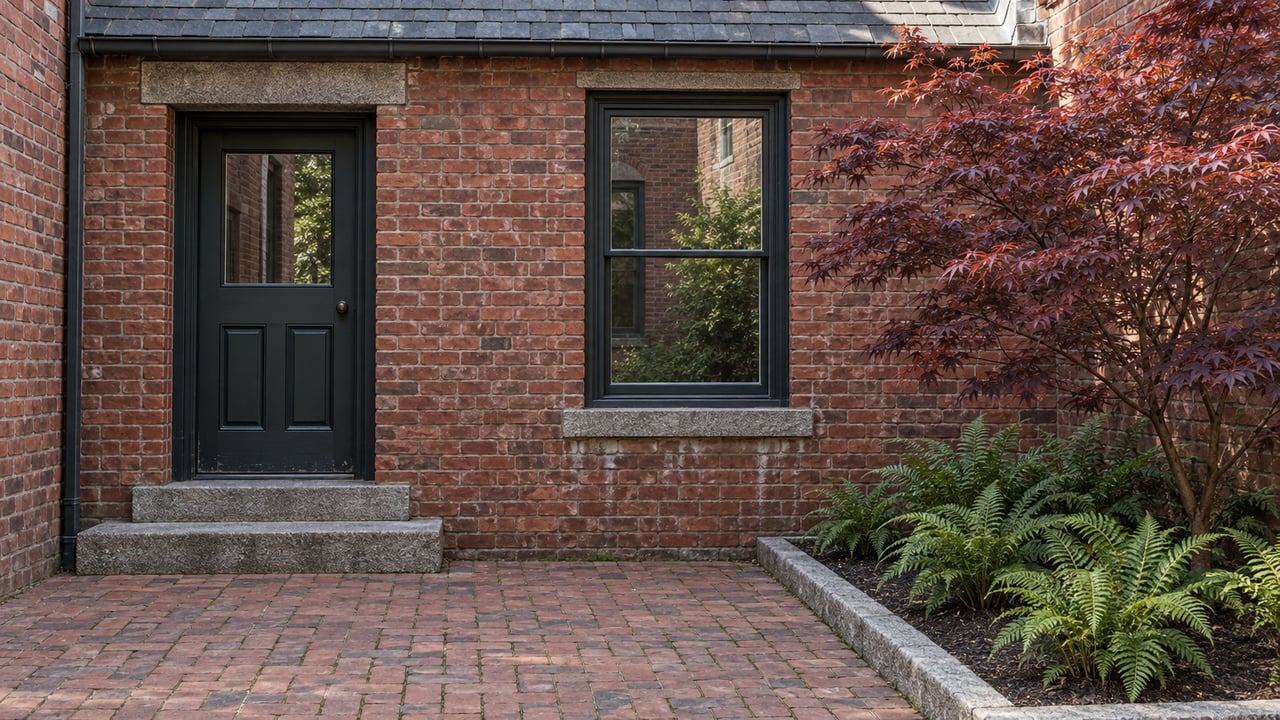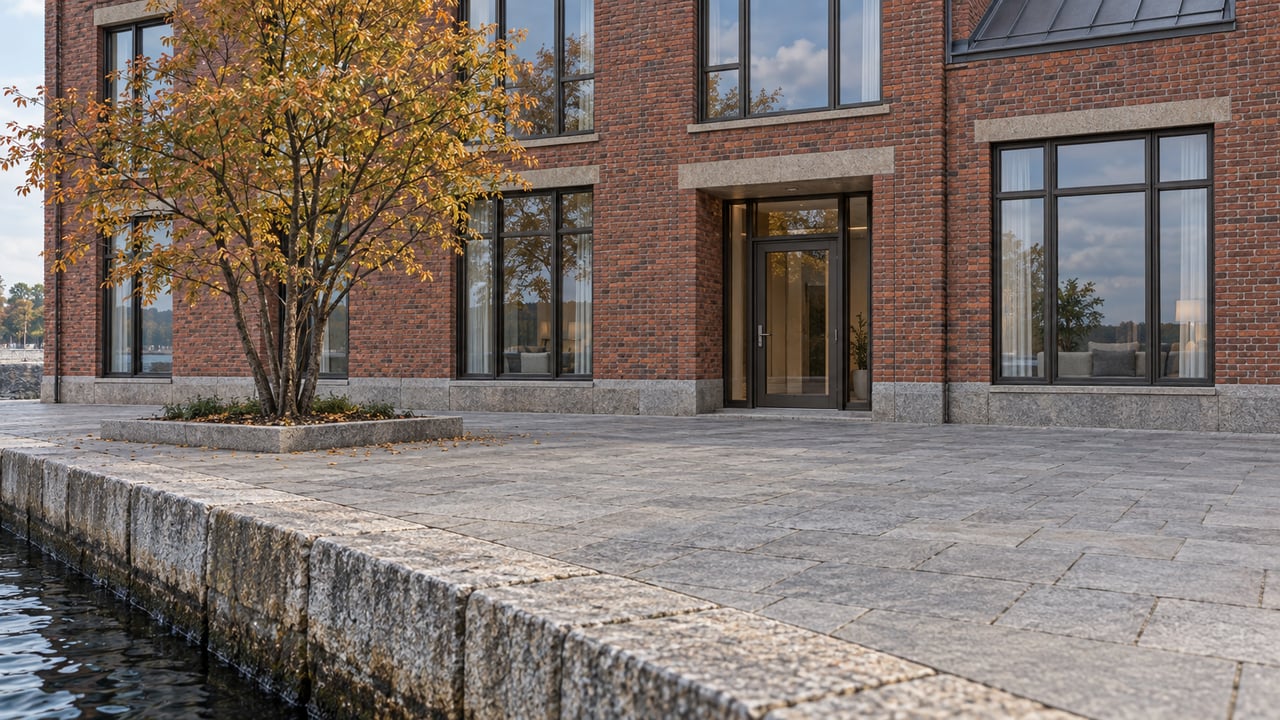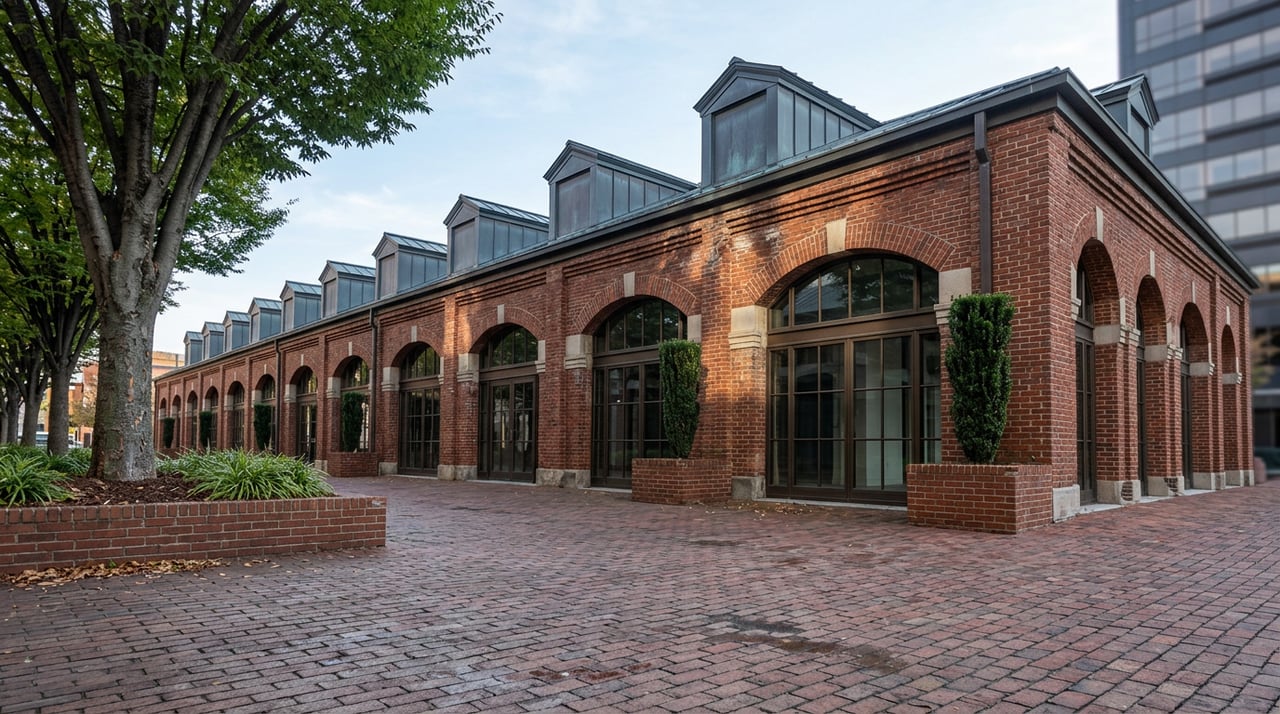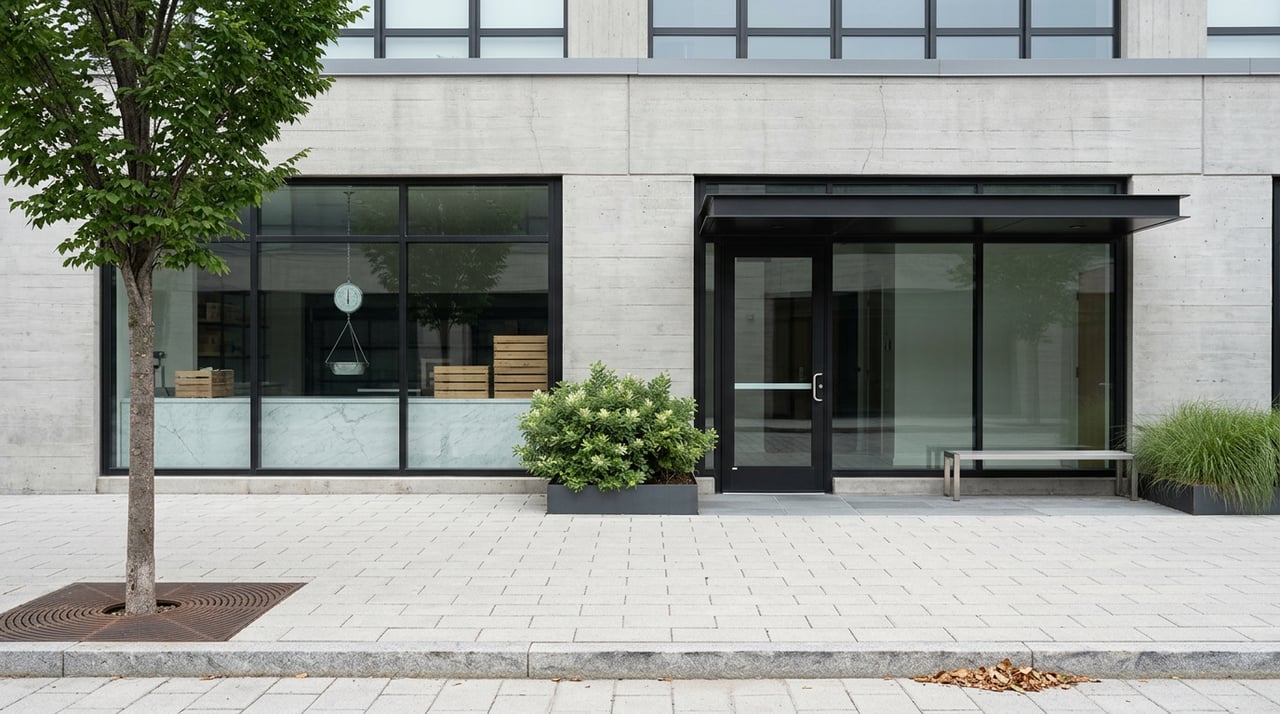
On March 2, Boston Provisions Market opened its counter on Harbor Way, with butchers cutting Berkshire pork to order and fishmongers pulling hamachi from the case, and handed out totes and caviar bumps to the first hundred customers through the door. Nobody needed a reservation. They were there to buy dinner for later in the week.
That distinction matters more than it sounds. For most of the last decade, new openings in the Seaport meant one thing: another restaurant built to pull people in from somewhere else. This year, the neighborhood's most quietly significant opening was a place built for people who already live close enough to walk home with the groceries.
The Steakhouse Wave Kept Coming, But It Wasn't the Whole Story
To be clear, 2026 did not skip the destination dining. Maple & Ash, the Chicago wood-fired steakhouse, opened April 30 inside the Superette development on Seaport Boulevard, its fourth location after Chicago, Scottsdale, and Miami. A few weeks earlier, Bambola and the Girl Next Door debuted April 3 on the corner of Northern Avenue and Harborview Lane, the latest project from Sneaky Good Hospitality, the group behind Foxhole and the Flamingo, with chef Bartolo Bruzzaniti running an Italian dining room dressed in gold wall coverings and a louder Southern Italian counterpart facing the street. Ralph Lauren picked the Seaport for its first permanent Ralph's Coffee location in Boston, opening earlier this month next to the brand's retail store. And Himmel Hospitality Group, the team behind Grill 23 and Harvest, has plans for Bar 23 and Le Boulevard on Fan Pier Boulevard, though those are dated for spring 2027 and won't factor into this season.
Boston Magazine has called the Seaport a magnet for out-of-town restaurant groups more than any other neighborhood in the city, and the 2026 additions back that up. What's different is what showed up alongside them.
Boston Provisions Market is not trying to be a destination. It is a 1,000-square-foot counter combining two Massachusetts institutions, Wulf's Fish, which has sourced seafood since 1926, and Savenor's Butchery, the Cambridge shop that supplied Julia Child's meat for The French Chef starting in 1939. Wulf's acquired Savenor's in 2024 and brought the combined counter to the Seaport specifically because, as CEO Mike Moniz was quoted in Boston Real Estate Times when the shop opened:
"Boston Provisions Market will meet a need in the Seaport as a place to source premium meat and seafood that cannot be found anywhere else in the neighborhood."
That's not language you use to describe a tourist attraction. It's language you use to describe infrastructure a neighborhood has been missing.
The Weekly Calendar Only a Resident Would Bother Tracking
The clearest evidence that the Seaport is building for people who stay isn't a single opening. It's the calendar. A visitor comes for a weekend. A resident shows up on the same Wednesday, every Wednesday, for months. This year's programming reads like it was built with that second person in mind.
| Day | Recurring program | Where | Through |
|---|---|---|---|
| Wednesdays | Bike Seaport free bike checkups, 7:30 to 11:30 a.m. | Seaport Common | Sept. 30 |
| Weekdays | Seaport Sweat free fitness classes | Seaport Common | Sept. 30 |
| Saturdays | Seaport Sweat classes, moved here for the first time this year | Harbor Way | Sept. 30 |
| Fridays, noon | Stretch and the City outdoor yoga | Summer Street Steps | Sept. 25 |
| Saturdays | Seaport Summer Market, local and women- and minority-owned vendors | 88 Seaport Blvd. | Sept. 26 |
Seaport Sweat is in its eleventh season, sponsored by Mass General Brigham Health Plan and NOBULL, and includes the second annual Sweatapalooza on September 12, a full day of instructors and DJs along the waterfront. The Summer Market skips a handful of holiday weekends, including July 4th and July 11th, because those dates conflict with programming at the Mass Fallen Heroes Memorial on Seaport Common, a detail that only shows up if you're checking the schedule closely enough to notice a gap.
None of this is aimed at someone visiting for a weekend. A tourist doesn't need a free tune-up on their bike every Wednesday morning for five straight months. A resident does.
A Padel Club That Prices Like a Neighborhood Amenity
Ballers Boston Seaport opened this year at 25 Pier 4 Boulevard with three padel courts, the first in Boston, and five pickleball courts on a 30,000-square-foot outdoor footprint. The pickleball courts convert into a synthetic ice rink once the weather turns, which tells you the operators are planning for a Boston winter, not just a Boston summer.
Play costs $15 to $30 an hour, priced closer to a neighborhood gym than a special-occasion outing. And per the club itself, no membership is required to play, eat, or drink, though memberships carry real perks specifically for people who live nearby and use the courts often. That's a business model built around repeat local customers, not one-time visitors working through a bucket list.
The club is backed by an athlete investor group that includes Kim Clijsters, Sloane Stephens, Andre Agassi, pickleball player Connor Garnett, and NBA guard Tyrese Maxey, co-founded by David Gutstadt and Amanda Potter, both formerly of Equinox. Padel and pickleball are having a moment nationally, but the fact that this particular version chose a pricing and membership structure aimed at frequent local play, rather than a premium one-off experience, says something about who the Seaport expects to keep showing up.
What the Restaurant Split Actually Reveals
Look closely at this year's restaurant openings and they sort into two clear categories. One category is built for the occasion: Maple & Ash's candelabra-lit dining room, Bambola's gold-walled theatrics, the eventual arrival of Le Boulevard's 250-seat Parisian dining room with a patio built for a special night out. The other category is built for the daily errand: Daily Provisions, Danny Meyer's long-anticipated Seaport cafe on Commonwealth Pier, opens at 7 a.m. and closes at 9 p.m. daily, hours that make sense for someone grabbing coffee before work, not someone planning ahead for a reservation. Life Alive Organic Cafe is set to join it on Commonwealth Pier later this summer.
Not every change in the restaurant mix was a new opening: Dalia, the Spanish-inspired wood-fired restaurant that debuted in April, added a downstairs Leopard Lounge this August with 75 additional seats and a separate late-night menu.
If you wanted to sample the destination side of that split without committing to it, Dine Out Boston ran August 1 through 15 this year, with prix fixe lunch menus at $27, $32, or $36 and dinner at $38, $46, or $55, a two-week window built specifically so residents could try the pricier rooms at a lower cost of entry.
The Season Still Ahead
The Grove at the Lawn on D, the botanical redesign of the old Lawn on D space, opened June 6 with the free Boston Chilling music festival and runs through November 1, with weekend live music and one of the largest LED screens in Greater Boston for watch parties. Sweatapalooza lands September 12. The Summer Market runs its last Saturday September 26. None of this is one-off. It's a season built in layers, each one assuming the person showing up in June will still be around in October.
That's the actual story this year. The Seaport spent its early years proving it could pull people in from somewhere else. In 2026, for the first time, it started building the kind of everyday infrastructure, a butcher counter, a weekly bike tune-up, a padel membership priced for frequent play, that only makes sense if the neighborhood is confident the people living there now plan to stay.
If you're already living in the Seaport or Fort Point and thinking about what that kind of neighborhood momentum means for your own next move, FlyBuyBoston has been tracking exactly this kind of shift block by block. Reach out to schedule a conversation with Joe Castro whenever you're ready to talk specifics.