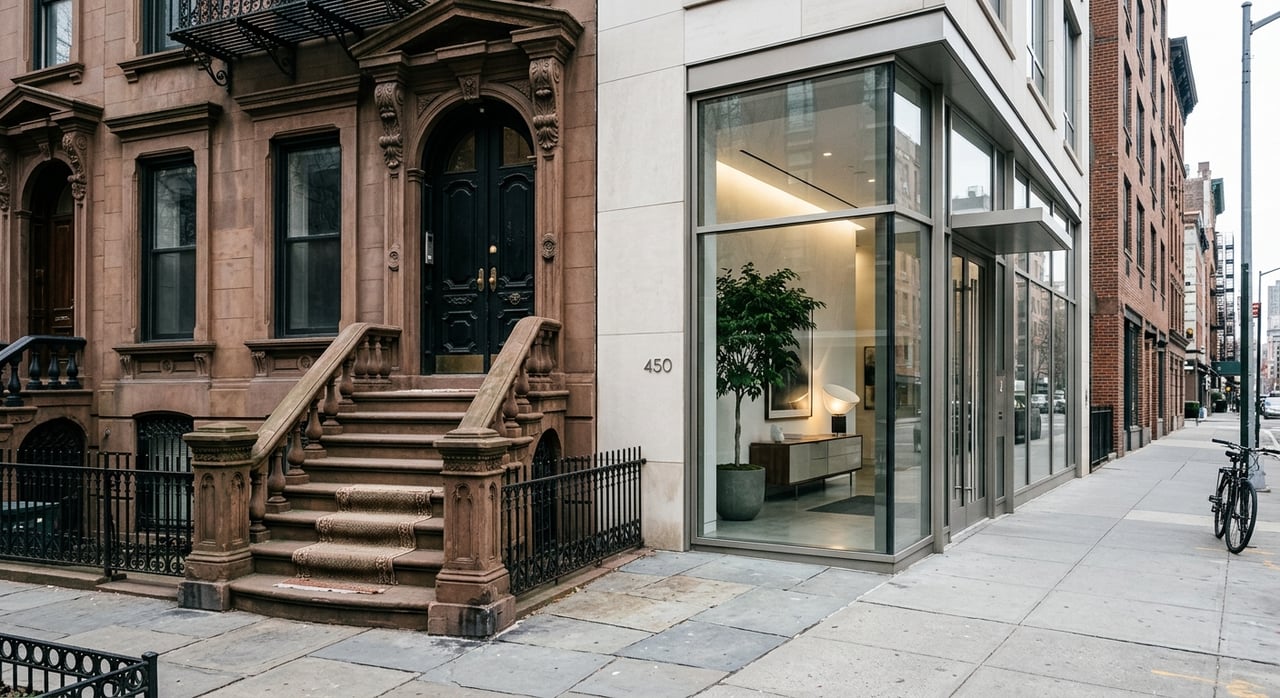
Trying to choose between a Back Bay brownstone and a high-rise condo? You are not just picking a floor plan or a view. In Back Bay, you are choosing between two very different ownership experiences, each shaped by the neighborhood’s architecture, building rules, and day-to-day lifestyle. This guide will help you compare privacy, maintenance, amenities, costs, parking, and renovation flexibility so you can make a smarter decision with confidence. Let’s dive in.
Back Bay ownership starts with the building
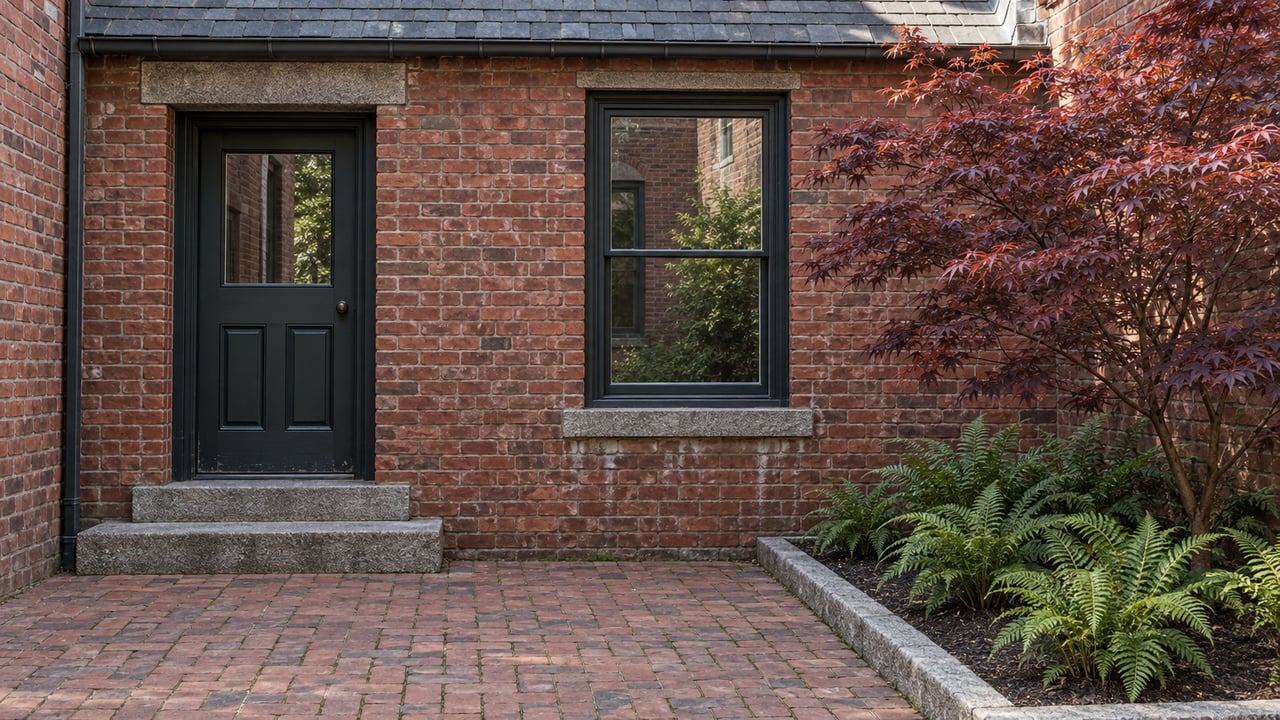
Back Bay is one of Boston’s most recognizable historic neighborhoods, built on filled tidal marshes in the mid-1800s and known today for Victorian row houses, brick sidewalks, and signature residential streets like Beacon Street, Marlborough Street, and Commonwealth Avenue. Many properties fall within the Back Bay Architectural District, which means exterior changes to covered buildings may be subject to formal review by the city.
That matters because in Back Bay, ownership is about more than your unit. The exterior envelope, roofline, windows, stoop, and street-facing appearance can all affect what you can change and how long improvements may take.
Why buyers choose Back Bay brownstones
A brownstone often appeals to buyers who want architectural character, a more intimate residential feel, and the ability to shape interior space over time. In many cases, daily life also feels quieter and more private because the building typically has fewer units and less shared traffic than a large tower.
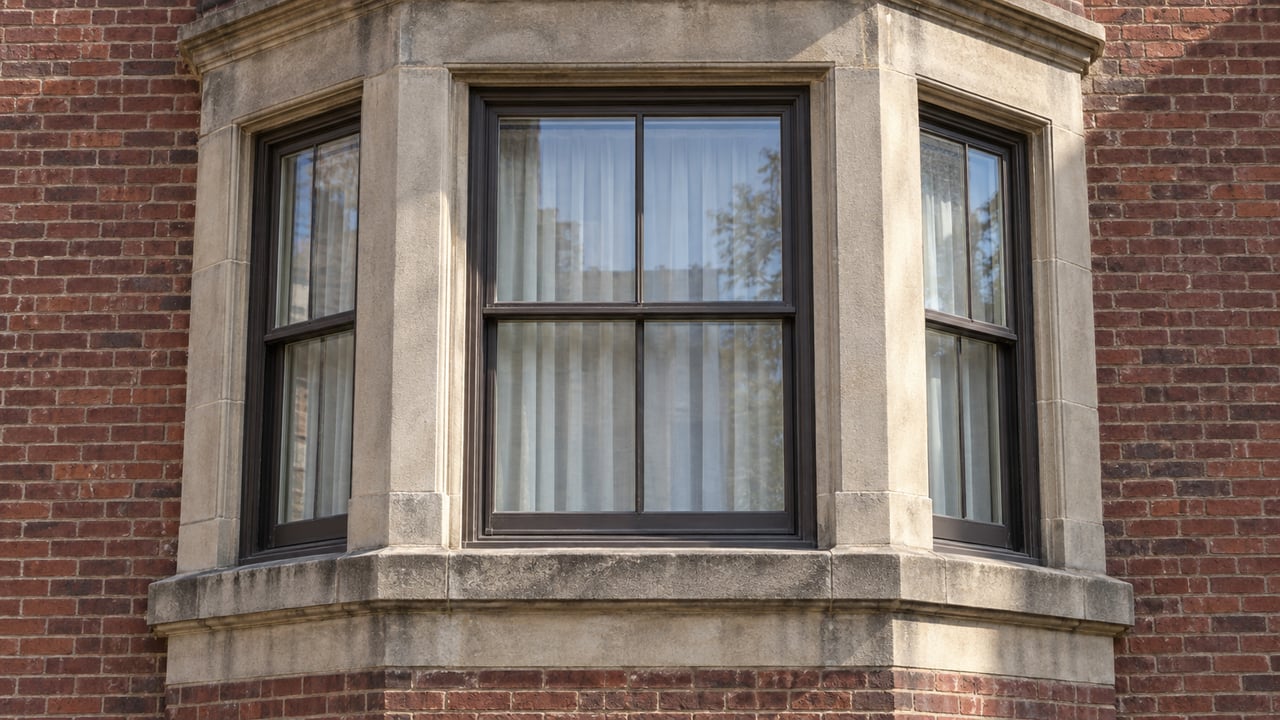
That said, the tradeoff is real. In Back Bay, many visible exterior features are considered character-defining, including primary facades, masonry, windows, roofs, stoops, and cornices.
Brownstones offer character and privacy
If you love original detail, classic streetscapes, and a more traditional home feel, a brownstone may be the better fit. The ownership experience often feels more connected to the block itself, with direct entry, smaller common areas, and less movement through lobbies or amenity floors.
For many buyers, that sense of privacy is a major advantage. You may give up some building services, but you gain a home that feels more personal and less institutional.
Renovations are often easier inside than outside
Back Bay’s residential guidelines generally allow more flexibility for interior improvements than for visible exterior changes. Alterations to primary elevations are generally considered inappropriate, while rear or secondary elevations can allow more flexibility depending on the scope and visibility.
Roof decks and rooftop additions may be possible, but only within tight design and visibility limits. Even routine work like masonry cleaning, repointing, or replacing exterior materials can require careful planning and the right treatment methods.
Brownstone upkeep can be more hands-on
A brownstone can offer lower routine common charges than a large amenity building, but that does not always mean lower ownership costs over time. Maintenance and capital planning may land more directly on owners, especially when exterior work, systems updates, or preservation-related repairs come up.
If you are considering a brownstone, it is important to understand both the current condition of the property and the likely timeline for future work. This is where renovation fluency and careful diligence matter.
Why buyers choose Back Bay high-rise condos
A high-rise condo appeals to a different kind of buyer. If your priority is convenience, elevator access, staffed entry, and a more managed day-to-day experience, a tower may check more boxes.
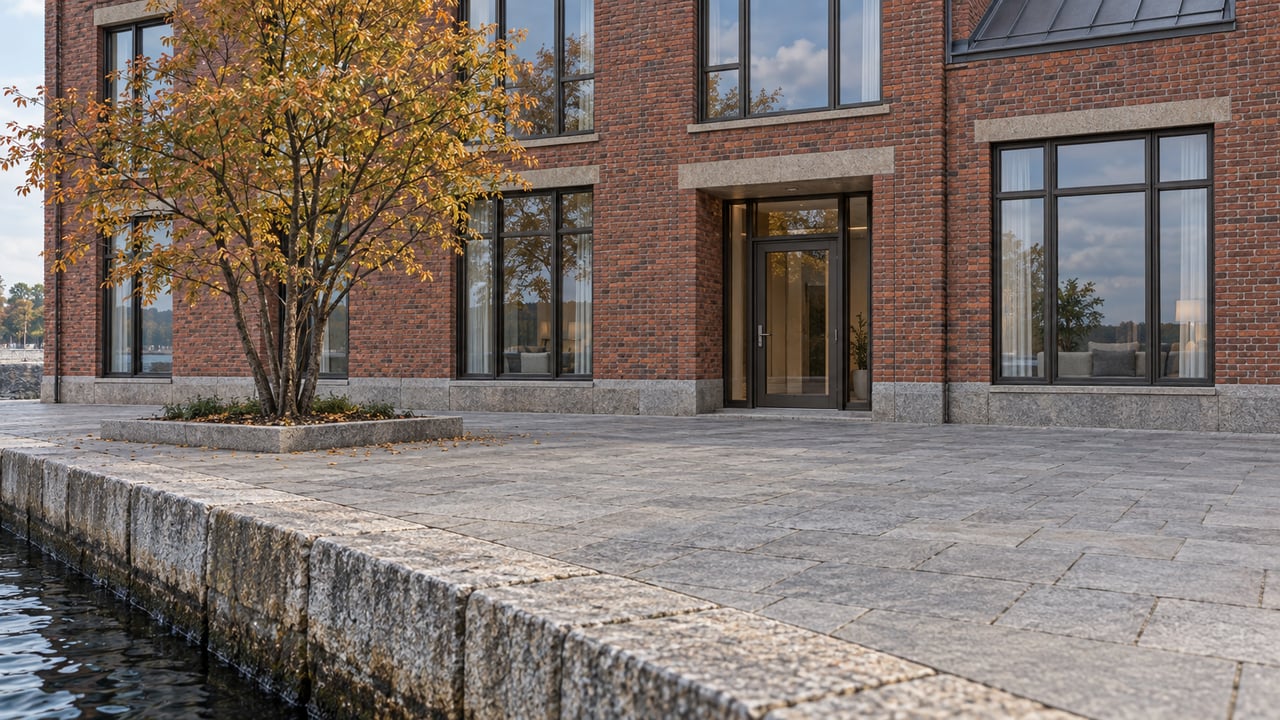
Back Bay’s full-service luxury buildings show what that lifestyle can look like. Examples in the neighborhood highlight services and amenities such as concierge-style staffing, private dining, pools, fitness centers, spas, lounges, and resident-focused common spaces.
High-rises make daily living more turnkey
For many buyers, the biggest advantage of a high-rise is simplicity. Elevators, entry staffing, shared building operations, and amenity maintenance are handled through the building structure rather than by individual owners.
That can be especially appealing if you travel often, split time between homes, or simply want less direct involvement in maintenance planning. The tradeoff is that you are living within a larger shared system with more rules, more moving parts, and more common decision-making.
Shared services come with shared governance
In Massachusetts, condominiums are governed through the master deed, bylaws, and Chapter 183A. That means your ownership rights and obligations are tied not only to your unit, but also to the building’s documents, budget structure, and rules.
In practical terms, a high-rise often offers a more predictable operations model, but less autonomy. Before you buy, you need to understand what the condo documents allow, what they restrict, and how the building handles expenses and reserves.
Comparing monthly costs in Back Bay
Monthly cost is one of the biggest differences between these two property types. In a high-rise, common expenses may include staffing, shared utilities, insurance for common areas, amenities, and reserve contributions.
Under Massachusetts condo law, common expenses are assessed according to percentage interest or a master-deed formula that can account for factors like unit location, unit amenities, and limited common areas. Condominium associations must also maintain an adequate replacement reserve fund separate from operating funds.
Brownstone costs may feel lower month to month
A brownstone may have lower regular common charges, especially in smaller associations with fewer shared services. That can look attractive at first glance.
But lower monthly fees can also mean more direct owner exposure when larger repairs or upgrades are needed. You will want to look closely at reserves, repair history, and any pattern of special assessments or deferred work.
High-rise fees may buy more predictability
A tower’s monthly fee is often higher, but it may bundle many of the things that would otherwise become separate ownership headaches. Building staffing, amenity operations, common-area maintenance, and master insurance are typically part of that structure.
For some buyers, paying more each month feels worth it for the convenience and operational consistency. For others, the fee burden outweighs the benefits.
Parking matters more than many buyers expect
In Back Bay, parking is not a minor detail. The city has converted multiple blocks to resident-permit parking or hybrid meter and permit rules, and Boston is not currently accepting petitions for new resident parking permit locations.
That makes off-street parking an important value driver in this neighborhood. If parking matters to you, do not assume you can solve it later.
Brownstone parking can be limited
Some brownstones include deeded or assigned parking, but many do not. When parking is absent, the limitation can affect convenience, resale appeal, and how you use the property day to day.
You should verify exactly what parking rights, if any, transfer with the sale. This should be reviewed early, not after you fall in love with the unit.
High-rises may provide a clearer parking solution
Full-service buildings may offer a more managed parking setup. For example, local luxury tower examples market services such as valet parking and resident-focused building operations.
If you want a smoother parking experience, a high-rise may offer a stronger fit. In Back Bay, that can be a meaningful lifestyle advantage.
Flood and lower-level risk should be part of the conversation
Because Back Bay was created from filled tidal marshes, buyers should think carefully about lower-level exposure and building resilience. City guidance for resilient historic properties notes that many residences already have elevated entryways and first levels.
It also recommends elevating critical mechanical systems above design flood elevation when relevant and generally favoring interior resilience solutions over exterior changes when possible.
Brownstone buyers should ask deeper building questions
If you are buying in a brownstone, pay close attention to any lower-level spaces, mechanical locations, drainage conditions, and prior resilience improvements. A beautiful parlor-level layout does not tell you the whole story.
You will want a clear picture of how the building is set up and whether any future improvements could trigger permitting or review considerations.
Which option fits your lifestyle best?
The right answer usually comes down to what you value most in daily life. Both property types can be excellent choices in Back Bay, but they serve different priorities.
A brownstone may be right for you if
- You value historic character and classic architecture
- You want a more private, small-building feel
- You care more about interior customization than long amenity lists
- You are comfortable with preservation review and periodic capital projects
A high-rise may be right for you if
- You want elevator access and staffed entry
- You prefer a more turnkey, managed lifestyle
- You want building amenities and shared services
- You are comfortable paying higher common charges for operational predictability
Due diligence matters either way
Whether you are leaning brownstone or high-rise, the smartest move is to compare not just the homes, but the ownership structures behind them. In Back Bay, details matter.
Key items to review include:
- The master deed and bylaws
- Reserve funds and any recent assessments
- Parking rights and restrictions
- Exterior review rules for the building
- Whether planned renovations may require Boston permitting or Back Bay Architectural Commission approval
For major interior projects, Boston notes that gut renovations, structural changes, and demolition require permit guidance from Inspectional Services. If you are buying with renovation plans in mind, that work should be evaluated before you close, not after.
In a neighborhood like Back Bay, the best purchase is not always the one with the flashiest finish or biggest amenity package. It is the one that fits how you want to live, what level of responsibility you want to take on, and how comfortable you are navigating building rules, long-term costs, and future improvements.
If you want help comparing a historic brownstone to a full-service condo in Back Bay, Joe Castro can help you evaluate the real tradeoffs with clear guidance, local insight, and a calm, detail-driven approach.
FAQs
What is the main difference between a Back Bay brownstone and a high-rise condo?
- A brownstone typically offers more historic character, privacy, and interior customization potential, while a high-rise typically offers more services, amenities, elevator access, and a more managed lifestyle.
Do Back Bay brownstones have renovation restrictions?
- Many do, especially for visible exterior changes, because properties in the Back Bay Architectural District may be subject to formal review for work involving facades, windows, roofs, masonry, stoops, and other character-defining features.
Are high-rise condo fees in Back Bay usually higher?
- They often are, because common charges may include staffing, amenities, shared operations, insurance for common areas, and reserve funding.
Is parking harder to find in Back Bay brownstones?
- It can be, since not every brownstone includes off-street parking and curb access is tightly managed in Back Bay, making deeded or managed parking especially valuable.
Should flood risk matter when buying in Back Bay?
- Yes. Because Back Bay was built on filled tidal marshes, buyers should review lower-level exposure, drainage, mechanical placement, and any resilience measures that may affect the building.
What documents should you review before buying a Back Bay condo or brownstone unit?
- You should review the master deed, bylaws, reserve funds, recent assessments, parking rights, exterior-review rules, and any renovation or permitting requirements tied to the property.