Wondering why two Boston condos at a similar price can feel completely different? In this city, architecture shapes how you live just as much as square footage does. If you are buying in Boston, understanding the major condo styles can help you narrow your search faster and choose a home that fits your lifestyle, renovation comfort, and long-term goals. Let’s dive in.
Why Boston condo style matters
Boston is not one condo market. It is a collection of architectural sub-markets layered across the city, from classic brick rowhouses to warehouse lofts to newer glass towers.
That matters because style is not just about looks. It often affects floor plans, building systems, renovation flexibility, and what ownership feels like day to day.
If you know what type of home suits you best, you can search more efficiently. You can also avoid falling for a beautiful space that does not match your maintenance expectations or timeline.
Boston's main condo architecture styles
Brick rowhouses and brownstones
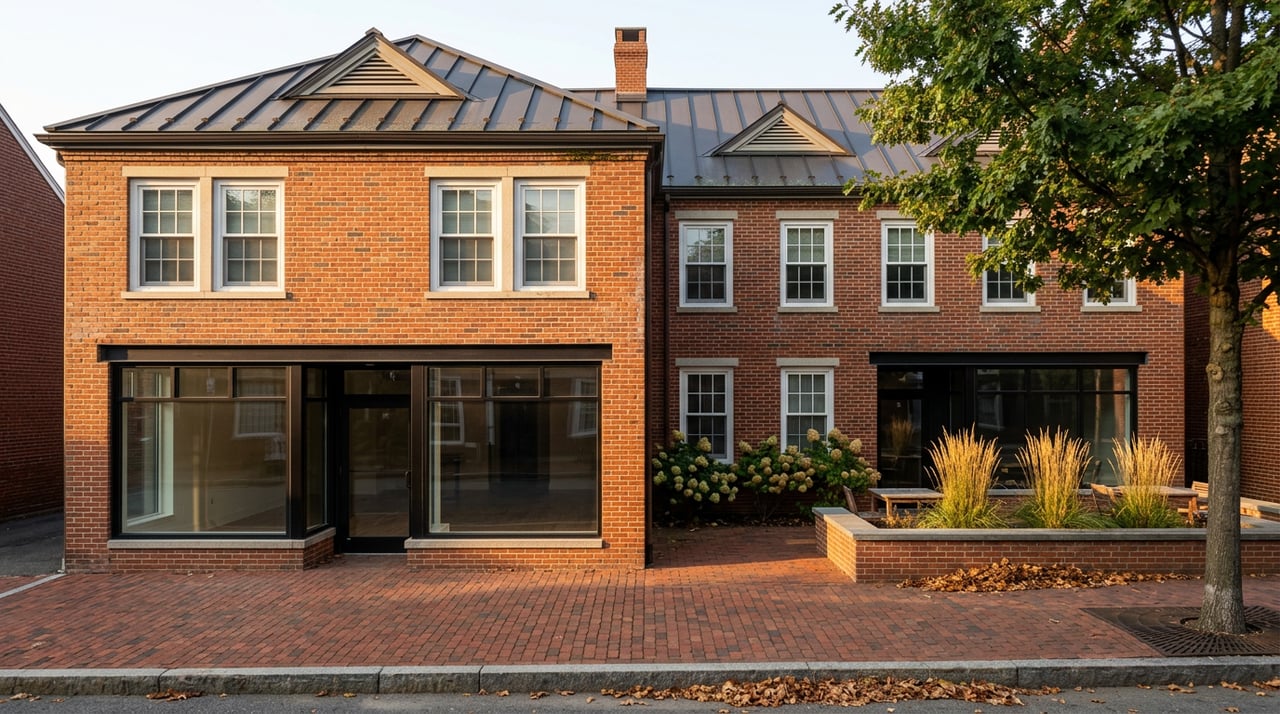
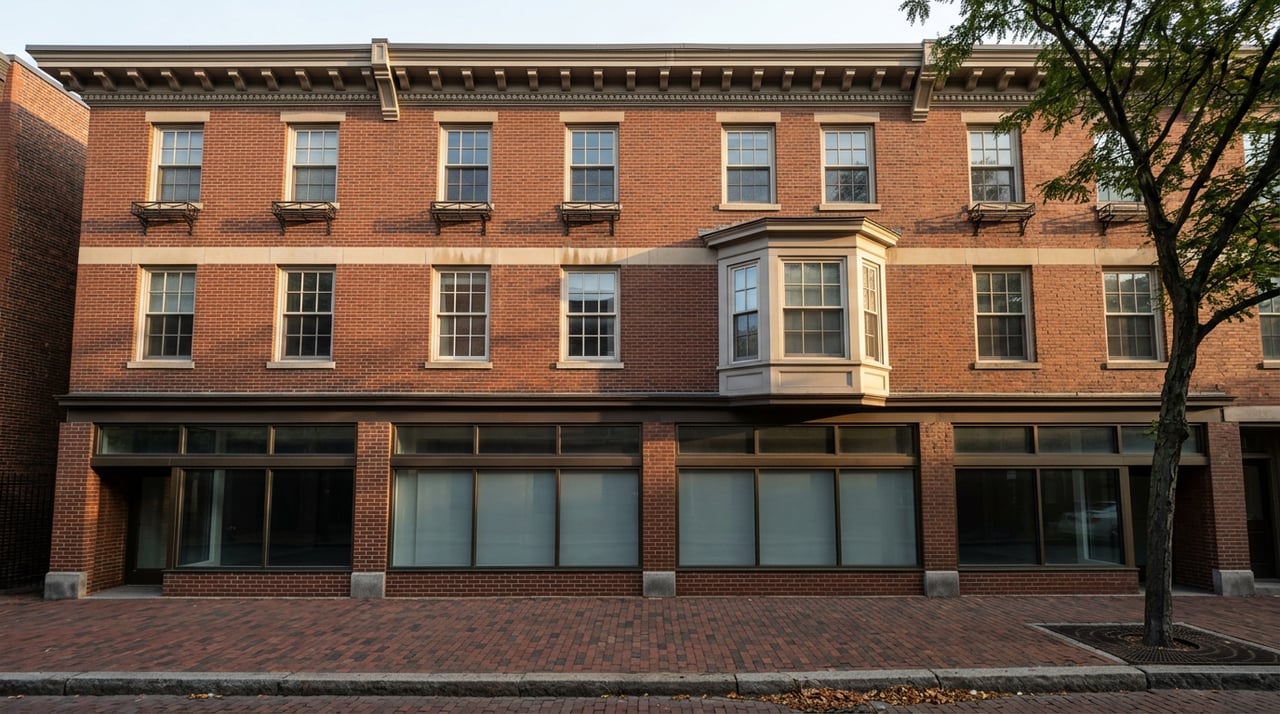
This is the Boston look many buyers picture first. In neighborhoods like Beacon Hill, Back Bay, and the South End, condo inventory often comes from historic brick rowhouses and brownstones with strong architectural character.
These homes usually offer period detail, classic facades, and a distinctly urban feel. Inside, you may find narrower floor plates and layouts shaped by the original building form rather than modern open-plan design.
For many buyers, that character is the appeal. If you love historic texture and iconic streetscapes, this style can feel timeless.
Loft conversions and warehouse condos
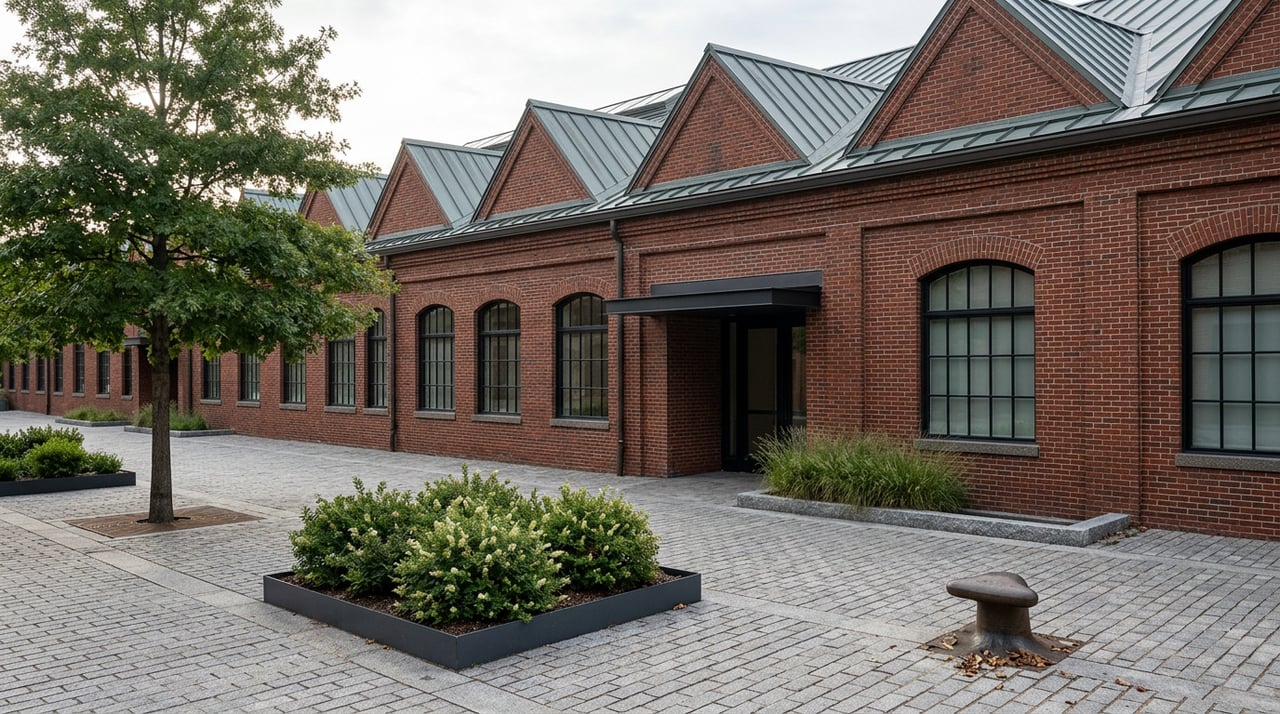
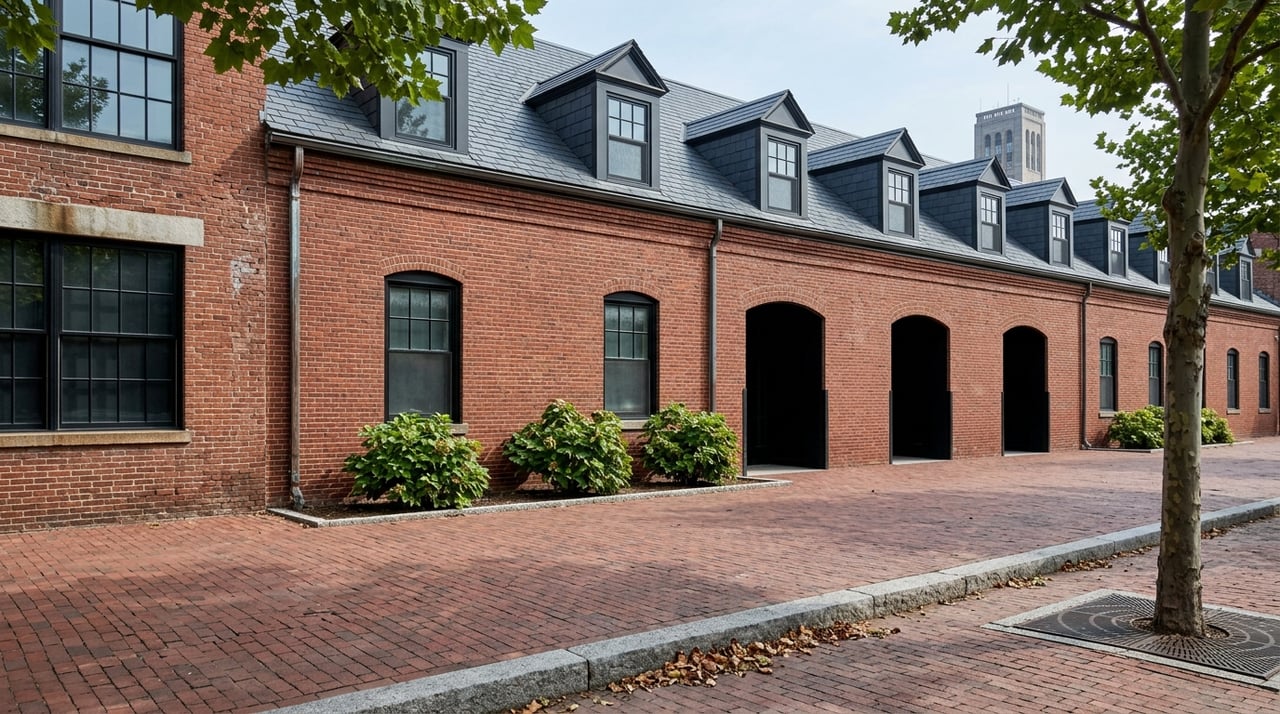
If you want open volume and industrial character, Boston has a clear loft category. The Leather District and Fort Point stand out for warehouse buildings that were adapted into residential loft living.
These homes often emphasize scale and texture over ornament. Think brick industrial shells, larger open spaces, and the kind of adaptive reuse that feels very different from a formal brownstone setting.
This category can be a strong fit if you value flexibility in how the space feels. Buyers drawn to lofts often care more about volume and atmosphere than traditional room-by-room layouts.
Newer high-rise condos
Downtown, Fenway, and the South Boston Waterfront are the clearest places to look for newer condo towers and modern high-rise living. These areas pair older urban fabric with more recent development and modern buildings.
In practical terms, this style often appeals to buyers who prioritize elevators, newer systems, and views. The design language tends to be cleaner and more contemporary, with less emphasis on historic detail.
If your priority is convenience and modern infrastructure, this category may be the easiest fit. It offers a very different ownership experience from a century-old brownstone conversion.
Hybrid and in-between homes
Boston also has homes that sit between the major categories. Beacon Hill includes early adaptive reuse of stables and carriage houses into lofts and studios, while Bay Village mixes smaller historic homes with art deco former warehouse and studio buildings.
These properties can offer a middle ground. You may get historic texture without the full formality of a classic brownstone, or character without the full openness of a warehouse loft.
For buyers who want something less standard, this is often where the most interesting inventory lives.
Neighborhoods by architecture style
Beacon Hill
Beacon Hill is known for early 19th-century red brick houses, narrow cobblestone streets, and a formal historic-district setting. It is one of the strongest expressions of classic Boston architecture.
For buyers, that usually means high visual character and a preservation-minded ownership experience. If you are drawn to iconic brick homes and a distinctly historic feel, Beacon Hill is often a natural starting point.
Back Bay
Back Bay is famous for stately Victorian row houses and brick sidewalks. It was developed as a planned mid-19th-century neighborhood and remains one of Boston's most recognizable historic settings.
Condos here often appeal to buyers who want architectural presence and traditional elegance. Like Beacon Hill, it is best suited to people who appreciate historic buildings and are comfortable with added rules around exterior work.
South End
The South End is defined by Victorian red-brick rowhouses and historic town homes arranged on a regular street grid. It is also described as the largest Victorian residential district in the country.
For condo buyers, the South End offers a strong sense of architectural consistency. It can be a good fit if you want classic brownstone energy and a dense urban feel with many condo conversions.
Bay Village
Bay Village is a smaller historic neighborhood with narrow streets and homes that resemble Beacon Hill on a more compact scale. It also includes some surviving art deco warehouse and studio buildings.
This gives buyers a different kind of option in central Boston. If you want an intimate-feeling historic pocket with a few unusual buildings mixed in, Bay Village is worth a closer look.
Leather District and Fort Point
These are Boston's clearest warehouse-to-loft neighborhoods. Both are associated with preserved industrial architecture, brick warehouse structures, and loft living.
If your ideal condo has industrial texture and adaptive-reuse character, this is where your search may sharpen quickly. These neighborhoods speak to buyers who want a less formal and more open architectural experience.
Downtown, Fenway, and South Boston Waterfront
If you are looking for newer towers and modern condo development, these neighborhoods are key. Downtown ranges from historic apartment buildings to modern glass towers, while Fenway and the South Boston Waterfront have seen clear recent tower growth.
For buyers, the appeal is usually straightforward. These locations tend to offer the clearest path to newer construction and modern high-rise living in Boston.
What historic architecture means for ownership
Exterior changes may face review
In Beacon Hill, Back Bay, and the South End, historic-district oversight affects ownership in a real way. Exterior work visible from the street is reviewed by city commissions, and in the South End, exterior alterations must be approved before a building permit can be issued.
Back Bay guidance also says owners should not begin work or buy materials until approval is granted. So if you are buying in a historic district, renovation timing can be slower and more structured than in newer construction.
Materials often require repair-in-kind
Historic ownership also affects how repairs are handled. Back Bay guidelines note that brownstone may need special treatment involving materials and coatings, and original masonry should be repaired and repointed rather than resurfaced when possible.
South End standards similarly emphasize preserving architectural character and require review for masonry, facades, and visible roof changes. In plain terms, the more historic the building, the more likely your exterior work will need to follow preservation-focused standards.
Your renovation appetite should match the building
This is where buyers benefit from being honest with themselves. If you want maximum flexibility and faster project timelines, a newer high-rise may feel more comfortable than a protected historic rowhouse.
If you love architecture and are willing to work within established rules, a brownstone or historic condo can be incredibly rewarding. The key is making sure the home matches your tolerance for process, approvals, and specialized maintenance.
How to choose the right condo style
Choose based on lifestyle first
Start by asking how you want the home to live. Do you picture classic rooms and historic detail, open industrial volume, or a more vertical high-rise lifestyle with newer systems?
This question often narrows your search faster than price alone. In Boston, style and day-to-day experience are closely connected.
Match the architecture to your comfort level
Some buyers are excited by preservation rules and thoughtful restoration. Others want simplicity, lower renovation friction, and a more modern building setup.
Neither approach is better. The right fit is the one that aligns with your time, patience, and comfort with building-specific requirements.
Use neighborhoods as shorthand
A simple framework can help:
- Choose Beacon Hill or Back Bay if you want the most iconic rowhouse look and are comfortable with historic-district oversight.
- Choose the South End if you want Victorian brownstone character and a strong historic identity.
- Choose Bay Village if you want a smaller historic pocket with some unusual hybrid buildings.
- Choose Fort Point or the Leather District if you want lofts, warehouse character, and industrial adaptive-reuse style.
- Choose Downtown, Fenway, or the South Boston Waterfront if you want newer construction and modern tower living.
Why local guidance helps
On paper, Boston condo styles sound easy to sort. In practice, many buildings blur categories, and the details that matter most usually show up once you look closely at layout, condition, building rules, and renovation potential.
That is where experienced local guidance makes a difference. A buyer who understands the tradeoffs between historic character, project flexibility, and building type can make a smarter decision with less guesswork.
If you want help narrowing your options across Beacon Hill, Back Bay, the South End, Fort Point, or the Seaport area, Joe Castro can help you compare Boston condo styles with a clear, practical eye and a calm, project-focused approach.
FAQs
What are the main Boston condo architecture styles for buyers?
- Boston condo buyers will mostly see four categories: historic brick rowhouses and brownstones, loft conversions in former warehouses, newer high-rise condos, and hybrid homes that combine elements of more than one style.
Which Boston neighborhoods are best known for historic brownstone condos?
- Beacon Hill, Back Bay, and the South End are the clearest places to look for historic brick rowhouses, brownstones, and Victorian-era condo conversions.
Which Boston neighborhoods are known for loft-style condos?
- The Leather District and Fort Point are Boston's strongest loft-style areas, with preserved warehouse buildings and industrial adaptive-reuse character.
Where should buyers look for newer high-rise condos in Boston?
- Downtown, Fenway, and the South Boston Waterfront are the most obvious neighborhoods for newer condo towers, recent development, and modern high-rise living.
Do Boston historic districts affect condo renovations?
- Yes. In Beacon Hill, Back Bay, and the South End, exterior work visible from the street is subject to city review, and in the South End exterior approval is required before a permit can be issued.
How should buyers choose between a brownstone, loft, and high-rise in Boston?
- The best choice depends on how much historic character, renovation flexibility, and modern building convenience you want in your day-to-day ownership experience.