Looking for a place in Boston that feels timeless, walkable, and easy to lock up when you head home? A Beacon Hill pied-à-terre can check all of those boxes, but it also comes with a few practical tradeoffs you need to understand before you buy. If you are considering a part-time residence here, this guide will help you think through the market, building types, condo rules, and day-to-day logistics so you can buy with confidence. Let’s dive in.
Why Beacon Hill Works
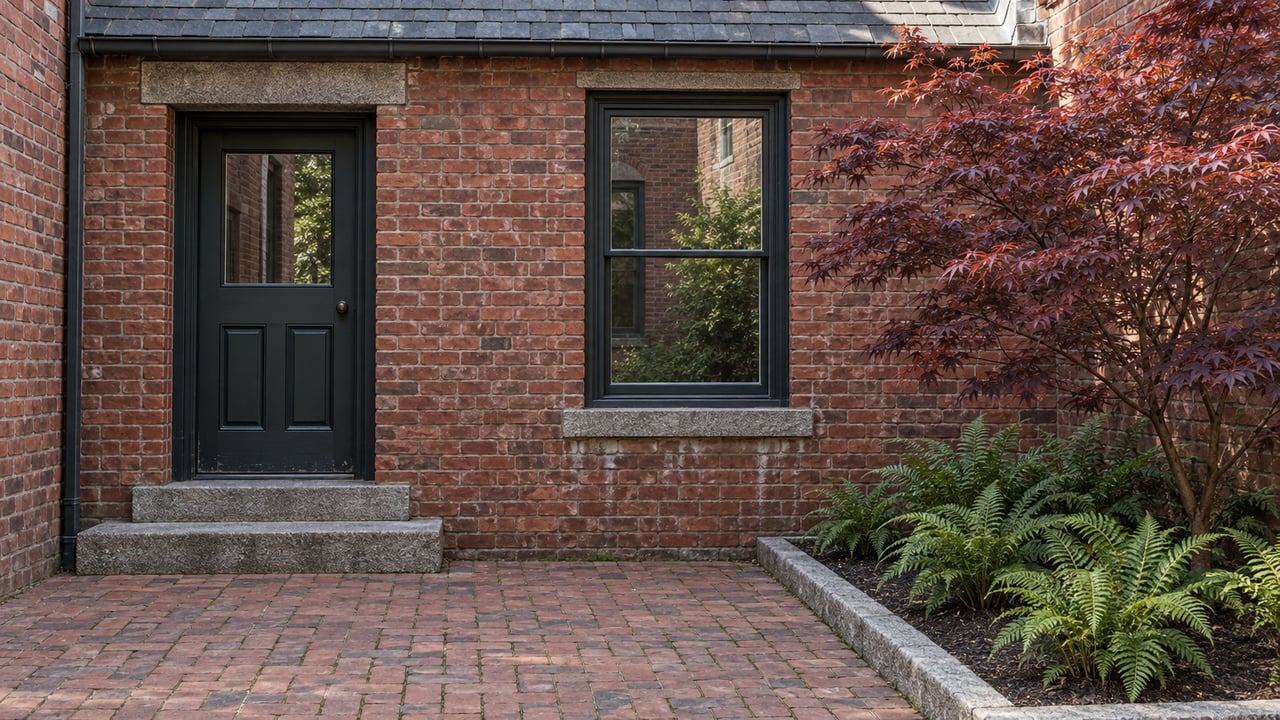
Beacon Hill stands out as one of Boston’s most distinctive neighborhoods. It is known for brick row houses, narrow streets, brick sidewalks, gas lamps, and the Charles Street retail and restaurant corridor. That setting supports the kind of car-light, lock-and-leave lifestyle many pied-à-terre buyers want.
It is also compact. At about one square mile, Beacon Hill gives you a lot of city access in a relatively small footprint. If your goal is to have a comfortable Boston home base without taking on the demands of a larger full-time property, that scale can be a real advantage.
The tradeoff is that Beacon Hill often asks you to prioritize charm and location over space. Many homes have tighter floor plans, and older buildings can come with limitations that matter more when you are only using the property part time.
Beacon Hill Market Snapshot
If you are shopping now, it helps to know what the current condo market looks like. Recent market data shows 58 condos for sale in Beacon Hill with a median listing price of about $1.09 million, and most homes have been on the market for 66 days.
Recent sales also suggest steady demand. For the three months ending May 2026, Beacon Hill home prices were reported up 8.4% year over year to a median sale price of $1.27 million, with homes selling in about 37 days. For you as a buyer, that means it is worth moving quickly when the right unit appears, but it is just as important to stay disciplined about fit and building quality.
Choose the Right Building Type
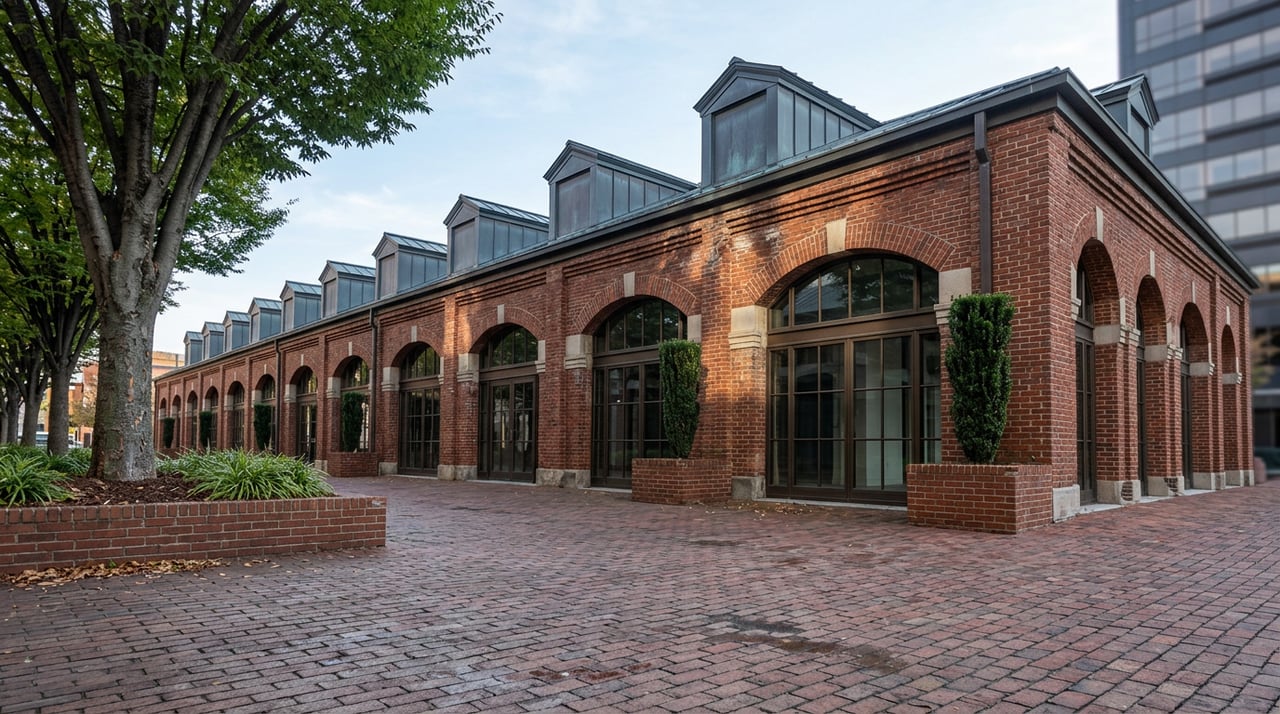
Beacon Hill’s housing stock is not one-size-fits-all. You will find Federal and Greek Revival rowhouses, later apartment buildings, and adaptive reuse properties like former stables and carriage houses. That variety gives you options, but it also means your day-to-day experience can differ a lot from one property to the next.
A walk-up in a classic rowhouse may offer character and lower common areas, but stairs can become less appealing if you arrive with luggage or groceries. A more conventional condo building may offer easier access and more predictable systems. A mixed-use or converted building might deliver something unique, but it deserves extra review for layout, storage, and association rules.
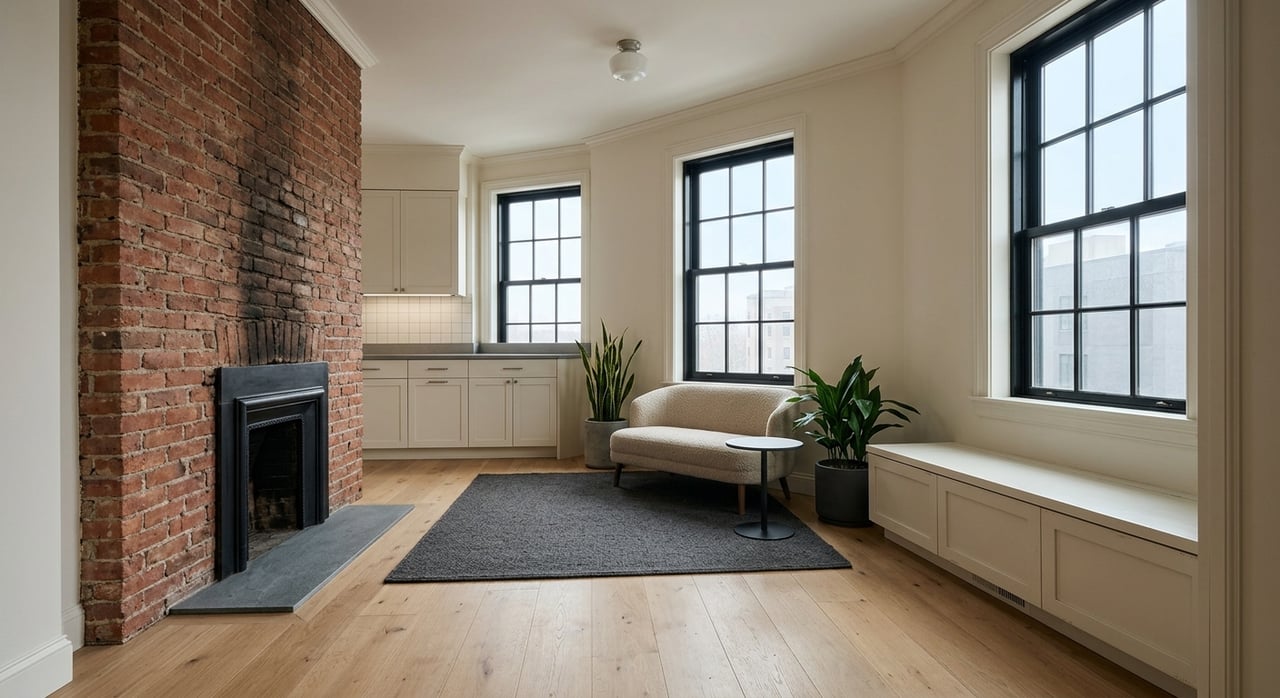
For a pied-à-terre, convenience matters as much as style. Before you fall for exposed brick or a charming street view, think honestly about how you will use the space on a regular basis.
Features That Matter Most
In Beacon Hill, square footage only tells part of the story. Smaller homes can live very well if the layout is efficient and the light is strong.
As you compare options, pay close attention to:
- Layout efficiency
- Natural light
- Ceiling height
- Elevator access
- In-building or in-unit laundry
- Clearly documented storage
- Private outdoor space, if available
Some of these features are hard to add later. In a historic neighborhood with older buildings, things like elevator access and usable storage can make a major difference in both daily comfort and long-term resale appeal.
Storage Is a Bigger Deal Than You Think
For part-time owners, storage is often the hidden issue. Historic buildings may have limited closets, small basements, or shared utility areas that do not function like true private storage.
That is why you should ask very specific questions. Does the unit come with deeded storage, an exclusive basement cage, bike storage, or another space that is clearly documented? Do not assume a corner of the basement is yours unless the documents confirm it.
If you plan to leave seasonal clothing, luggage, or household items in Boston between visits, storage can be the difference between a comfortable pied-à-terre and a frustrating one.
Understand Historic District Review
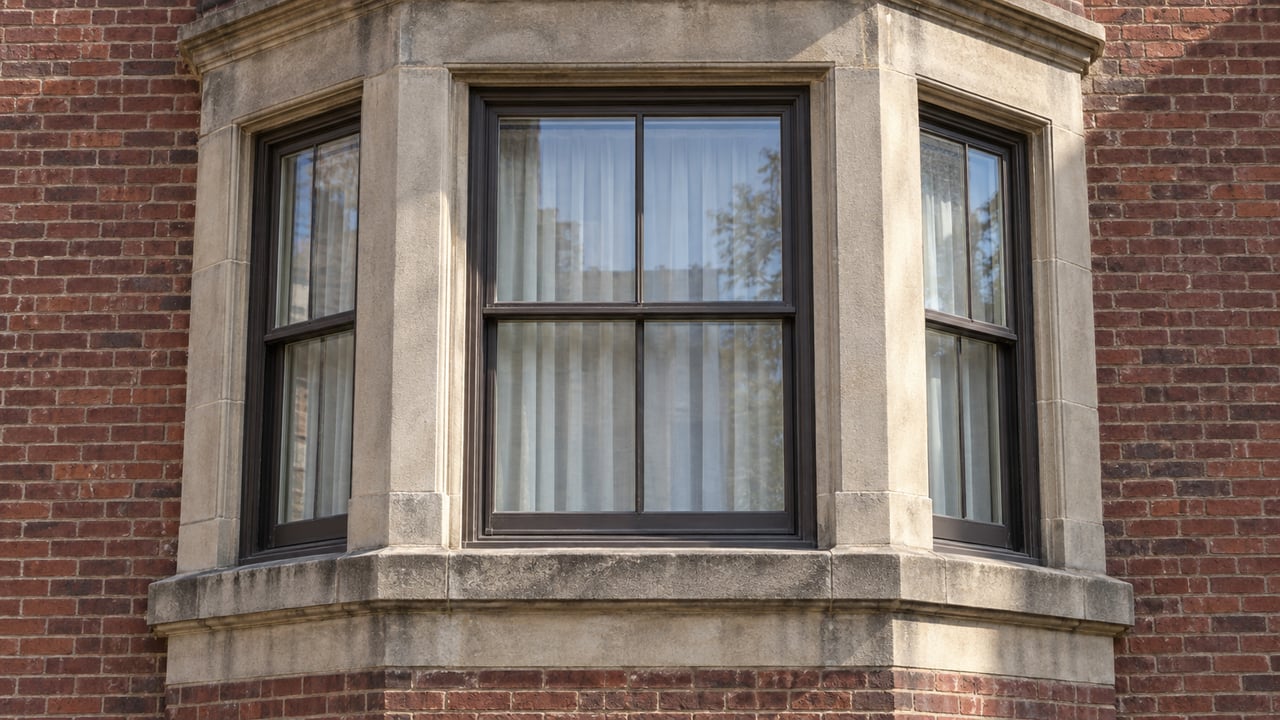
Beacon Hill’s streetscape is protected, and that is part of what makes the neighborhood so special. The Historic Beacon Hill District is subject to review by the Beacon Hill Architectural Commission for proposed exterior alterations.
In practical terms, exterior work visible from a public way is subject to review, and owners are instructed not to begin work or purchase materials until approval is received. If you are considering a unit because you want to replace windows, change a door, add exterior equipment, or make another visible exterior update, you need to understand that review process before closing.
This does not mean you should avoid historic property. It does mean you should match your expectations to the realities of ownership in a protected district.
Read the Condo Documents Carefully
When you buy a condominium in Massachusetts, you are not just buying the unit. You are also buying into a legal and financial framework governed by the master deed, bylaws, and applicable condominium law.
For a pied-à-terre buyer, that matters a lot. Your intended use may be simple, but condo documents can affect occupancy, guest stays, pets, storage, and how the building handles maintenance and shared costs.
At a minimum, you should review:
- The master deed
- The bylaws
- Recent meeting minutes
- Current budget
- Reserve fund information
- Insurance documents
- Any record of recent or pending special assessments
This is not busywork. Condo associations have authority to manage common areas, maintain records, obtain insurance, and impose charges or reasonable fines. If the reserves are thin or the minutes show deferred maintenance, that can directly affect your costs and your ownership experience.
Think About Use Flexibility Before You Buy
A lot of buyers assume they can rent out a pied-à-terre occasionally to offset costs. In Beacon Hill, that is not something you should assume.
Boston’s short-term rental program is narrow. Residential units offered as short-term rentals are only allowed in owner-occupied condominiums, single-family, two-family, and three-family buildings. If you are buying a true part-time residence, you should verify the exact ownership and occupancy facts before relying on short-term rental income.
Long-term leasing has its own rules. If you plan to lease the unit instead of using it only as a crash pad, Boston requires rental registration, annual renewal, and periodic inspection at least once every five years.
This is one of the most important planning questions in the buying process. If flexibility matters to you, review both city rules and condo documents early so you do not end up with a property that conflicts with your goals.
Parking Can Shape Your Decision
Parking is one of the biggest practical issues in Beacon Hill. Many buyers moving from the suburbs are surprised by how much more complicated car ownership can be here.
Boston resident parking permits are only available for vehicles registered and principally garaged at the resident’s current Boston address. The city is also not currently accepting petitions for new resident parking permit locations. If your vehicle is registered outside the neighborhood, it does not qualify.
That is why many pied-à-terre buyers are better served by asking a simpler question: can this home work well without a car? In many cases, Beacon Hill’s central location and walkable layout support that choice better than trying to force suburban parking expectations into an urban setting.
What Helps Resale Later
Even if you are buying for personal use, it is smart to think about future resale. The strongest Beacon Hill pied-à-terre candidates often blend historic character with modern function.
In practical terms, buyers tend to respond well to homes that offer:
- Clear and well-run condo governance
- Reasonable monthly fees
- Sensible private storage
- Strong natural light
- Efficient layouts
- Elevator access, where possible
- Private outdoor space or another hard-to-find feature
These are the details that hold up over time. In a neighborhood where charm is widely available, usability often becomes the deciding factor.
A Smart Buying Checklist
If you want a Beacon Hill pied-à-terre that feels easy to own, keep your search focused on the details that affect real life.
Use this checklist as you compare options:
- Confirm whether the building is a walk-up, elevator building, or conversion
- Measure the layout for how you actually live, not just the listed square footage
- Verify every storage space in writing
- Review condo financials, reserves, and meeting minutes
- Ask about any recent or upcoming special assessments
- Read rules on occupancy, guests, pets, and leasing
- Understand whether any exterior plans would require historic review
- Decide early whether you truly need parking
- Prioritize features that are hard to add later
A disciplined process matters in Beacon Hill. The right home can feel effortless once you own it, but only if you have done the homework upfront.
Why Local Guidance Helps
Buying in Beacon Hill often looks simple from the outside. In reality, the best decisions usually come down to details that are easy to miss in a quick showing, like building governance, hidden storage limitations, access challenges, or whether your intended use fits the rules.
That is where calm, thorough guidance matters. When you combine neighborhood knowledge with careful document review and a practical eye for building condition and functionality, you put yourself in a much stronger position to buy a home that works not just on paper, but in real life.
If you are exploring a Beacon Hill pied-à-terre and want a clear, detail-driven plan, Joe Castro can help you evaluate the right fit with the kind of local guidance and disciplined oversight that makes a complex purchase feel manageable.
FAQs
What is a Beacon Hill pied-à-terre?
- A Beacon Hill pied-à-terre is typically a smaller part-time residence used as a city home base rather than a full-time primary home.
Why is Beacon Hill a good fit for a part-time Boston home?
- Beacon Hill offers a compact, walkable setting with historic character, central location, and a condo market that often includes smaller units that can suit part-time use.
What should you look for in a Beacon Hill condo for part-time use?
- Focus on layout efficiency, natural light, ceiling height, laundry, elevator access, and clearly documented storage rather than square footage alone.
Do Beacon Hill exterior renovations require approval?
- Yes, exterior work visible from a public way in the Historic Beacon Hill District is subject to review by the Beacon Hill Architectural Commission.
Can you use a Beacon Hill pied-à-terre as a short-term rental?
- You should not assume that you can, because Boston’s short-term rental rules are narrow and depend on owner occupancy and building type.
What condo documents matter most when buying in Beacon Hill?
- The key documents include the master deed, bylaws, budget, reserve information, meeting minutes, insurance records, and any notices of special assessments.
Is parking difficult for Beacon Hill part-time owners?
- Parking can be challenging because Boston resident parking permits require vehicles to be registered and principally garaged at the resident’s current Boston address.
What helps a Beacon Hill pied-à-terre hold resale appeal?
- Features like strong light, efficient layout, reasonable condo fees, documented storage, elevator access, and private outdoor space can support resale appeal over time.