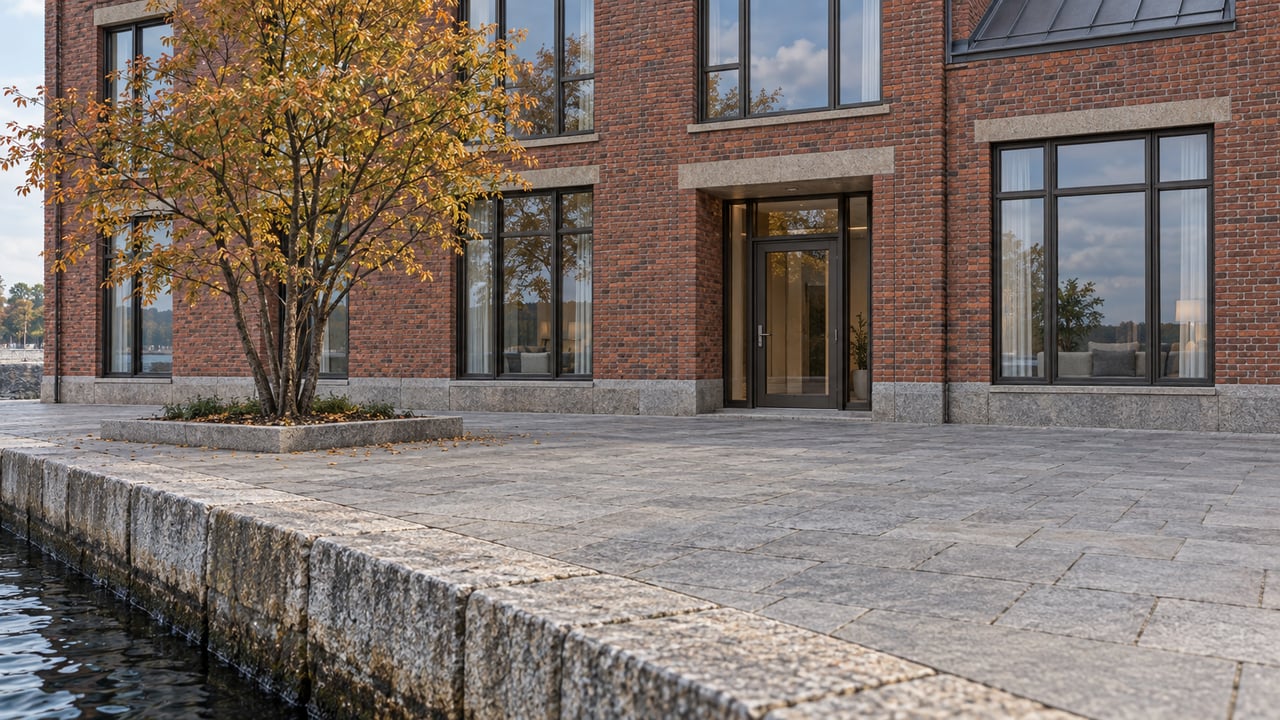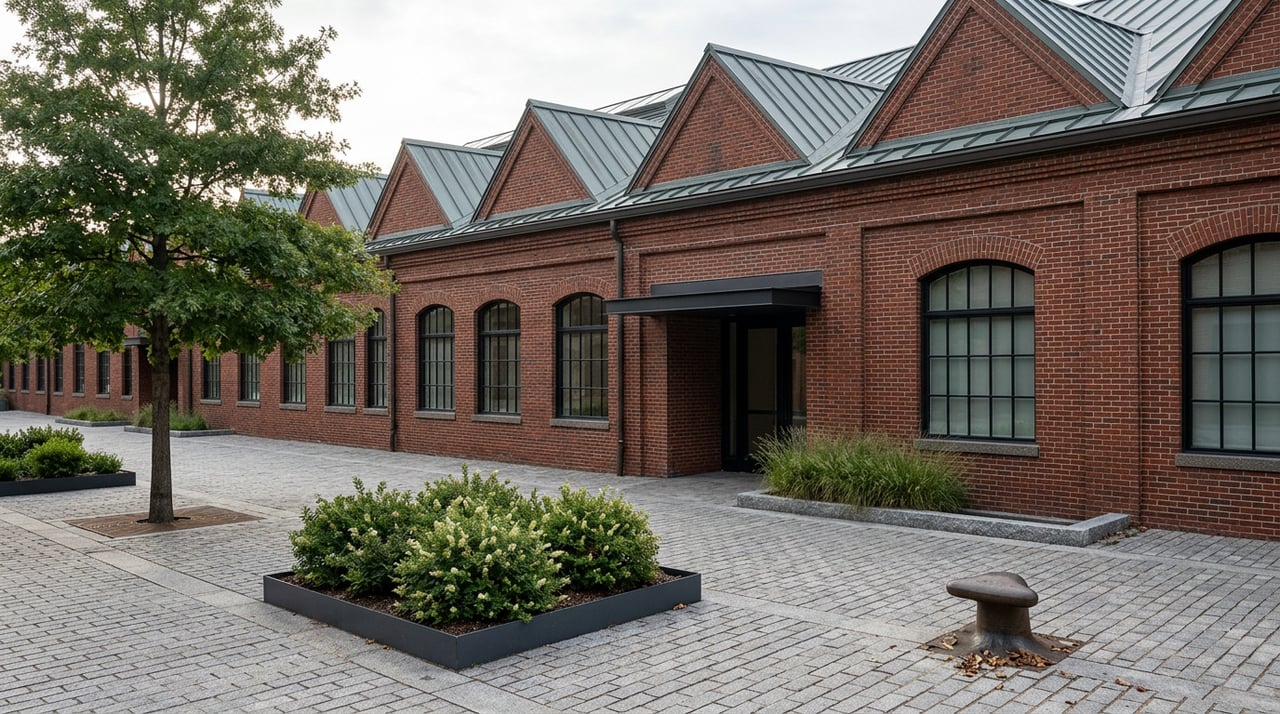
Walk the wharf side of Atlantic Avenue this month and you'll pass the oldest surviving building on Long Wharf, the former John Hancock Counting House, now home to Chart House. Chart House offers prime rib and a harbor view. A hundred feet away, State Street Provisions keeps its bar open until 1 a.m. on Fridays and Saturdays and restocks a raw bar out of a pantry meant to be worked through night after night. Both restaurants sit on the same stretch of pavement. They are not selling the same thing.
That contrast matters beyond a simple restaurant review, because the Aquarium is about to make a different kind of change one wharf over: opening more of its site to public use.
The tell is in the hours, not the menu
State Street Provisions opened on Long Wharf as the Cambridge-based Grafton Group's first crossing of the Charles, following four established concepts on the other side of the river. The restaurant frames itself as a modern version of the taverns that once fed the fishermen and tradesmen working the wharf, built to serve "residents, workers and visitors alike." That framing gives diners an alternative to the landmark seafood house on Long Wharf. A late-night program and a rotating pasta of the day give diners another reason to return.
A similar variety shows up one wharf south. Rowes Wharf Sea Grille has anchored the Boston Harbor Hotel's dining program for years, complete with a 90-seat harborside patio and gift cards that work across the hotel's other restaurants and bars. 1928 Rowes Wharf is the newest independent restaurant on that wharf, built around chef Chris Maxson and owner Kristin Jenkins. It's another example of the wharf's mix of hotel dining and independent restaurants.
The Aquarium is about to change how the wharf works
Here, the story shifts from dining options to a broader neighborhood question: who can use the waterfront?
The New England Aquarium has spent decades as a fenced, ticketed institution on Central Wharf, a building people visit rather than a piece of public ground they walk through. That's about to change under a redesign called the Blueway, developed with CBT Architects and landscape firm Stoss. The plan extends Central Wharf into a newly landscaped island connected by a pedestrian bridge, removes structure to open floating docks that step down to the water, and builds a harborfront promenade and tidal garden along the wharf's south side. Read the design brief closely and the intent is explicit: open pedestrian access through the site and around the building, rather than requiring a ticket to reach the water's edge.
In other words, the Aquarium is taking the question of how the waterfront is used to the scale of an entire wharf. It's converting square footage that used to serve the one-time visitor into infrastructure meant to be used every day by whoever happens to be walking past, ticket or no ticket.
The stewardship behind it has been building for a decade
None of this happens in isolation. Boston Harbor Now, the nonprofit that has served as lead steward of the Harborwalk since a 2016 merger, marked its 10th anniversary this year. The organization now oversees public access along 43 of the Harborwalk's planned 47 miles, and last fall it hired its first-ever Harborwalk manager, Jason Rundle, specifically to work with the roughly 400 property owners along the waterfront on maintenance and programming rather than one-off construction projects.
The numbers behind that hire are worth sitting with. Boston Harbor Now puts total annual visits to the Harborwalk, harbor islands, and waterfront parks at around 11 million, a figure the organization says is "comparable to the top-five U.S. national parks." A decade ago, a comparison like that would have been aspirational marketing for a walkway still being stitched together parcel by parcel. Today it's closer to an accurate description of a mature piece of civic infrastructure that finally has a full-time manager instead of a construction schedule.
Put that hire next to the Aquarium's Blueway plan and the split identity of Long Wharf's restaurants, and a single thread runs through all three: this stretch of waterfront spent years being built. It's now being run.
The honest complication: 2026 is also just a loud year
None of this means the tourist crowds disappear, and it would be dishonest to pretend otherwise. This is the year of the 250th anniversary of the American Revolution, and the Boston Harborfest fireworks and pre-fireworks concert already drew their usual crowd to Christopher Columbus Park on July 2. Sail Boston's Tall Ships visit and World Cup-related programming earlier this summer pulled additional foot traffic to the Inner Harbor on top of the everyday pattern. If you live along Long Wharf or near the park, this summer has genuinely felt busier than most, and that's not a contradiction of the trend above so much as two things happening on the same blocks at once: a temporary spike in one-time visitors layered on top of a quieter, longer-term shift in what the neighborhood's businesses and institutions are actually built for.
The difference shows up once the anniversary calendar empties out. Christopher Columbus Park's holiday trellis lighting, hosted each year by the Friends of Christopher Columbus Park, is a small, free, recurring event with none of the scale of a Fourth of July fireworks show, aimed squarely at the people who'll still be walking that park in December. That's the register this neighborhood is increasingly built around: not the once-a-year spectacle, but the thing that happens again next month, and the month after.
What this actually looks like day to day
For someone living along this stretch of the waterfront right now, the practical version of all this is:
- A late-night raw bar and bar seat on Long Wharf that keeps different hours than the tourist-facing seafood house next door
- An independent kitchen on Rowes Wharf, alongside the long-running hotel restaurant, giving the wharf two distinct reasons to eat there instead of one
- Fencing and structure coming down at the Aquarium over the life of the Blueway project, in favor of a promenade and island you'll be able to walk without buying a ticket
- A Harborwalk that's stopped being a construction project and started being a maintained, staffed public asset, with a named manager whose job is the day-to-day of it
- A recurring calendar of low-key neighborhood events, like the winter trellis lighting in Christopher Columbus Park, that outlast the noisier anniversary-year programming
Individually, none of these is a big headline. Together, they describe a waterfront that's quietly deciding who it's for. For the people who already live here, the variety of restaurants, hours, and formats is worth noticing as one part of how neighborhood life develops.
If you're weighing what any of this means for property values, timing, or your own next move on the Downtown Waterfront, that's a longer conversation, and one FlyBuyBoston is always glad to have. Let's get started, schedule a consultation with Joe.