Wondering how to stage a Beacon Hill or Back Bay home without stripping away the very character that makes it special? If you are preparing to sell in one of Boston’s most recognized historic districts, the goal is not to make your home feel generic. It is to help buyers see the architecture, understand each room’s purpose, and picture themselves living there. With the right plan, you can present a historic home in a way that feels polished, functional, and true to its setting. Let’s dive in.
Why historic staging works differently
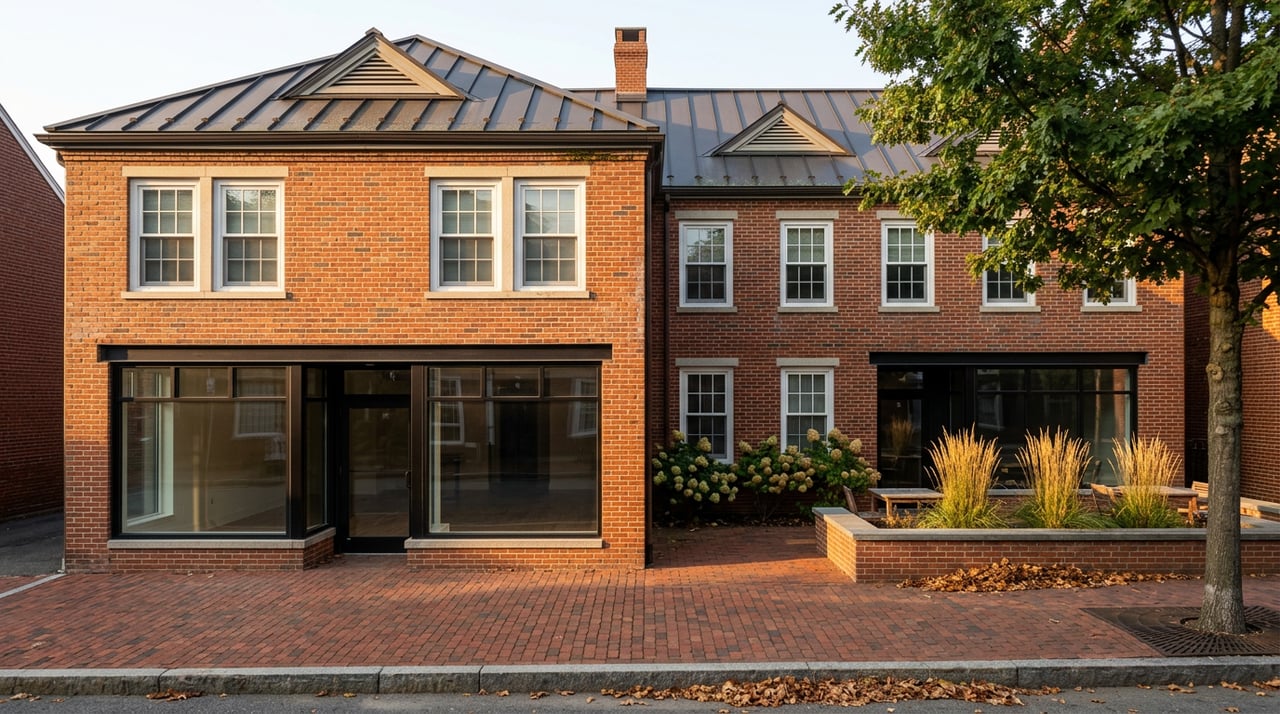
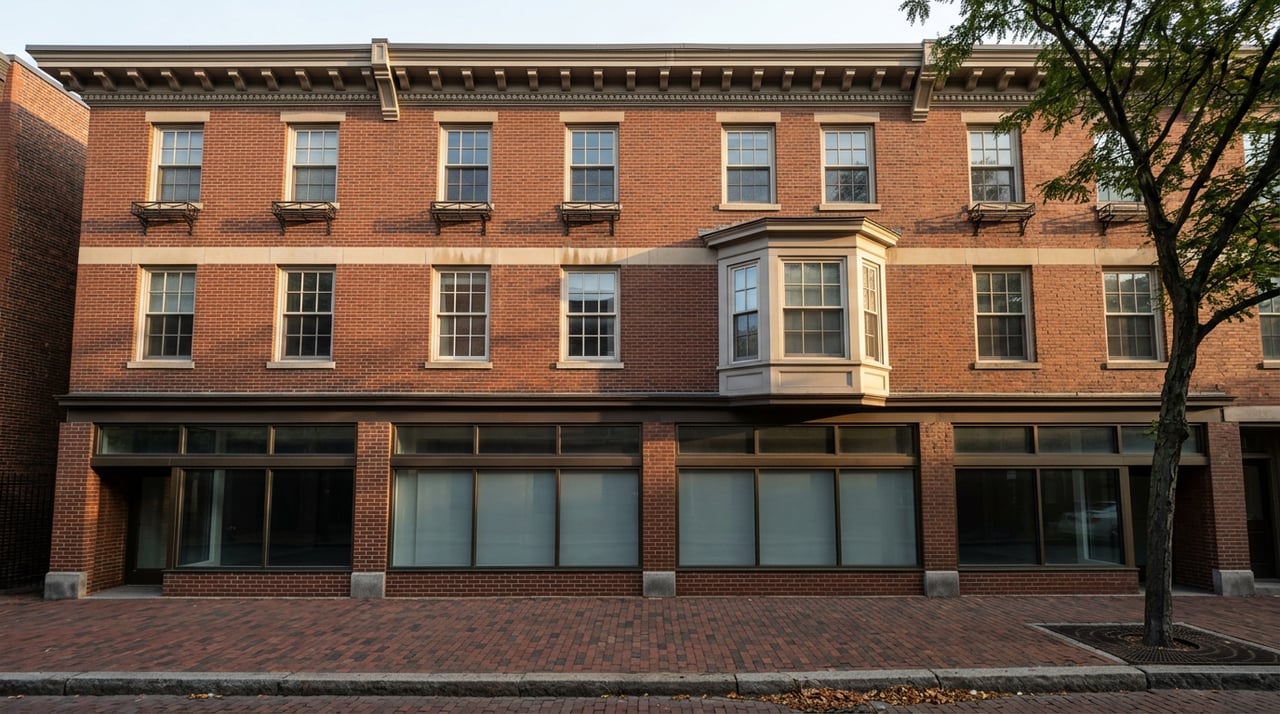
Beacon Hill and Back Bay share one important trait: both are protected historic districts with strong architectural identity. According to the City of Boston’s district overview, Beacon Hill is known for old colonial Boston character, including brick row houses, ornate doors, decorative ironwork, narrow streets, brick sidewalks, and gas lamps, while Back Bay is known for elegant Victorian row houses and a consistent form and scale.
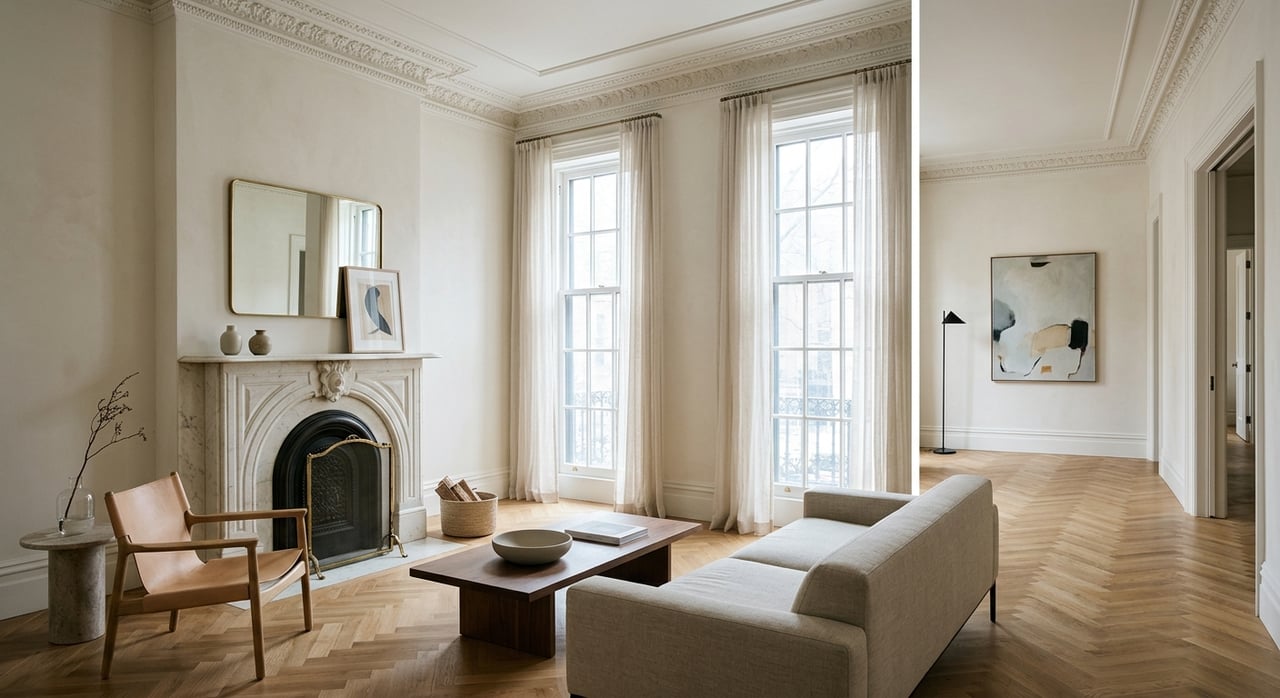
That context matters when you stage. In these homes, the architecture should do most of the talking. Furniture, color, and decor should support original details like fireplaces, moldings, stair rails, transoms, trim, and windows instead of competing with them.
Start with the features buyers remember
Staging is not just about looks. It helps buyers understand how a home lives. In the 2025 Profile of Home Staging from the National Association of Realtors, 83% of buyers’ agents said staging made it easier for buyers to visualize a property as a future home.
For Beacon Hill and Back Bay properties, that usually means doing three things well:
- Highlight period details like mantels, millwork, bays, doors, and ironwork
- Clarify room function so every space feels purposeful
- Protect sightlines and circulation so rooms feel larger and easier to move through
A beautifully restored row house or condominium can lose impact fast if oversized furniture blocks a fireplace, clutter hides trim, or too many accessories distract from the room itself.
Respect original details first
Both Beacon Hill and Back Bay guidelines favor maintaining and repairing historic materials and features rather than replacing them. The Beacon Hill Architectural Commission Guidelines emphasize retaining original or historically significant materials wherever possible, and Back Bay guidelines similarly support maintenance and repair over replacement.
That makes staging fairly straightforward in principle: clean, repair, and reveal. If a home has original doors, trim, stair elements, or ironwork, those details should be visible and in good condition. In many cases, careful editing does more for presentation than a major cosmetic overhaul.
Use a restrained color palette
Historic Boston interiors often already carry strong visual texture through brick, woodwork, plaster details, and masonry. That is one reason a quiet color palette tends to work best. In NAR’s 2025 paint color guidance, stagers most often selected soft warm whites for living areas and warm neutrals for bedrooms.
If you are refreshing interiors before listing, neutral tones can help period features stand out without making the home feel cold. Strong or saturated wall colors may pull attention away from original trim, fireplaces, or window shapes, especially in smaller row house rooms where visual balance matters.
Focus on the rooms that matter most
Not every room needs the same level of effort. NAR data shows the most commonly staged spaces are the living room, primary bedroom, and dining room. If you want the best return on time and preparation, start there.
Stage the living room around one focal point
The living room is the highest-priority staging room in NAR’s research. In Beacon Hill and Back Bay homes, the best focal point is often already in place: a fireplace, mantel, bay window, original millwork, or a handsome set of tall windows.
Use fewer pieces, scaled to the room. A compact seating arrangement often works better than trying to maximize furniture count. When buyers walk in, their eyes should go to the room’s architectural anchor first, not to crowded side tables or bulky seating.
Keep the primary bedroom calm
The primary bedroom should feel simple, restful, and easy to read. A low-profile bed, limited bedside furniture, and clean surfaces can help the room feel more spacious.
This is especially important in older homes where room dimensions may be narrower than what buyers expect in newer construction. Clear floor space and minimal decor help buyers focus on natural light, ceiling height, and original details instead of wondering how the room functions.
Define the dining room clearly
Dining rooms are staged in 69% of cases, which makes them worth the effort. In a Beacon Hill row house or Back Bay condo, this room sometimes competes with other possible uses, especially if the layout is compact.
In most cases, clear function wins. A properly sized table, one strong light fixture, and minimal tabletop styling usually create a cleaner impression than trying to show the room as dining space, office, and storage zone all at once.
Simplify kitchens and transition spaces
Historic homes are often judged just as much by flow as by finish. That is why kitchens, entries, stair halls, and landings deserve focused attention.
Keep the kitchen clean and legible
According to NAR’s staging guidance, buyers respond better when clutter is removed, lighting is strong, and dining areas are clearly defined. In a historic kitchen, the goal is usually not to mimic brand-new construction. It is to present the space as clean, functional, and easy to understand.
Clear counters completely where possible. Minimize small appliances, reduce visual noise, and make work surfaces visible. If there is an eat-in component or nearby dining area, define it clearly so the kitchen feels intentional.
Polish the entry and stair hall
In many Beacon Hill and Back Bay homes, the first impression starts at the front door and continues up the stair hall. The Beacon Hill guidelines specifically stress retaining original doors, surrounds, transoms, sidelights, hardware, and lighting, while Back Bay guidelines also emphasize original door and window details.
For staging, that means the entry should be edited rather than decorated. Prioritize careful cleaning, warm but subtle lighting, and only very limited accessories. If the stair railing, trim, or door hardware has character, let those details stand on their own.
Be thoughtful with exterior presentation
Curb appeal matters, but in historic districts, exterior changes come with rules. According to Boston’s Beacon Hill historic district page, exterior work visible from a public way is subject to review, and owners should not begin work or purchase materials until approval is confirmed. The same report notes that in Back Bay, all proposed exterior work is subject to review and must be approved before work begins.
That means exterior listing prep should focus first on presentation items that respect the building’s historic character. Seasonal planter boxes may be appropriate in certain cases, but permanent attachments and visible changes should be approached carefully and only with proper review where required.
Avoid staging mistakes that hurt historic value
Some pre-listing updates can create more problems than they solve. The research is clear that both districts prefer repair and compatibility over quick replacement.
Common pitfalls include:
- Replacing historic windows with incompatible materials
- Altering original openings or proportions
- Painting masonry, stone, or trim elements that were not meant to be painted
- Using trendy finishes that distract from historic character
- Overfurnishing smaller rooms and blocking natural circulation
The Back Bay residential guidelines identify vinyl, metal-clad, and reflective or tinted replacement windows as inappropriate. They also note that materials such as brick, granite, sandstone, copper, lintels, sills, and stoops should not be painted if they were not intended to be painted.
Plan early if you are listing later
If your sale is still months away, use that runway well. Historic homes often benefit from a phased approach that starts with repairs, decluttering, and any visible exterior work that may need review.
A practical timeline may look like this:
| Timing | Priority |
|---|---|
| 12+ months out | Evaluate repairs, declutter, and identify any exterior work that may require review |
| 3 to 6 months out | Refresh paint where appropriate, refine furnishings, and plan staging strategy |
| 2 to 4 weeks out | Deep clean, edit decor, finalize lighting, and stage key rooms |
If the property is in a Back Bay condominium or another multi-owner building, planning ahead matters even more. The Back Bay guidelines note that changes in these buildings are considered for the building as a whole and treated uniformly, so it is wise to coordinate early with building leadership or association decision-makers.
Match the strategy to the home
The best staging plan for Beacon Hill and Back Bay is rarely one-size-fits-all. A narrow Federal-style row house in Beacon Hill may need a different furniture scale and circulation plan than a broader Back Bay parlor-level residence with projection bays or taller entertaining rooms.
That is where local guidance can make a real difference. When you understand the architecture, the approval framework, and the buyer expectations for these neighborhoods, you can make choices that improve presentation without undermining character.
If you are preparing to sell and want a staging plan grounded in both design sense and practical execution, Joe Castro can help you build a smart, calm roadmap for pre-listing prep, coordination, and marketing. Let’s get started.
FAQs
Which rooms matter most when staging a Beacon Hill or Back Bay home?
- The living room, primary bedroom, and dining room are typically the highest-priority spaces, based on NAR staging research.
Should you replace original features before selling a historic Boston home?
- Usually no. Beacon Hill and Back Bay guidelines generally favor maintaining and repairing original or historically significant materials instead of replacing them.
Can you change exterior details freely before listing in Beacon Hill or Back Bay?
- No. In Beacon Hill, exterior work visible from a public way is subject to review, and in Back Bay, exterior work requires approval before it begins.
What paint colors work best for staging a Beacon Hill or Back Bay property?
- Soft warm whites and warm neutrals are generally the safest choices because they support historic architectural details without competing with them.
How should you stage a smaller historic row house room in Boston?
- Use fewer, better-scaled pieces, keep pathways open, and arrange furniture so buyers notice fireplaces, windows, trim, or millwork first.