Trying to choose between Beacon Hill and Back Bay for your next condo? You are not alone. Both neighborhoods offer iconic Boston living, but they feel different once you compare homes, services, and daily logistics like parking and elevators. In this guide, you will see the trade-offs clearly so you can match your priorities to the right market. Let’s dive in.
Beacon Hill at a glance
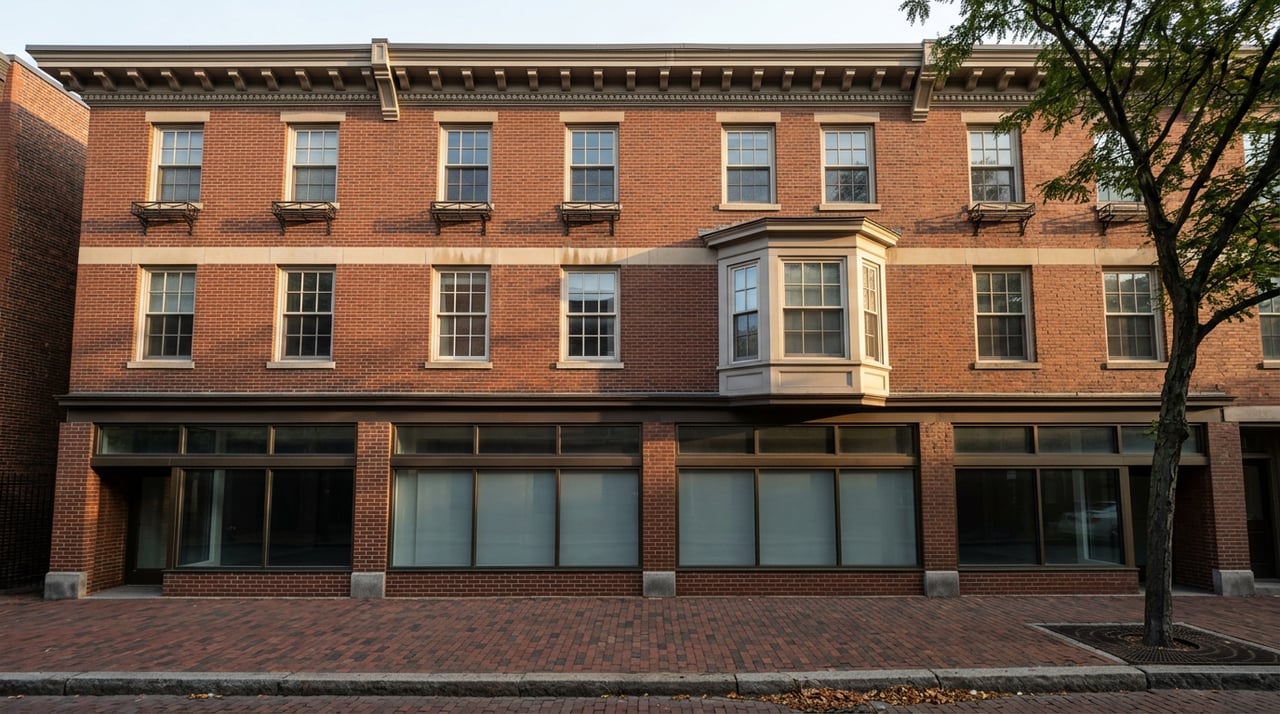
Beacon Hill delivers intimate, 19th-century brownstone living on narrow, brick-lined streets. You will see Federal and Greek Revival architecture, gas lamps, and a close-knit scale near the Public Garden and Boston Common. It is a locally designated historic district with strict design review for exterior changes, including windows, doors, and visible mechanicals.
Most buildings are 2 to 5 stories with many walk-ups and condos carved from former single-family rowhouses. Units often feature period details, smaller rooms, and non-standard layouts. Off-street parking is limited, and many residents rely on permits, nearby garages, or car-free living.
Back Bay at a glance
Back Bay offers broad, tree-lined avenues, Victorian brownstones, and a mix of mid-rise buildings and modern luxury towers. You are close to Newbury Street retail, Copley Place, and the Prudential Center, as well as cultural venues. Significant historic districts guide façade and streetscape work, and later towers provide more flexibility on exteriors.
You will find a wider range of building types, including full-service condos with elevators, doormen, concierge, and enclosed parking. Floorplates often run larger than Beacon Hill, with a higher likelihood of central HVAC, en-suite baths, and modern kitchens.
Condo living side by side
Buildings and layouts
- Beacon Hill: Converted rowhouses with duplexes, garden-level units, and top-floor one-bedrooms. Period details are common, with quirky footprints and multiple short stair runs.
- Back Bay: Restored brownstones, mid-rise conversions, and luxury towers. Larger rooms and more standardized layouts are common.
Amenities and services
- Beacon Hill: Fewer building amenities. Owners lean on parks, Charles Street cafés, and neighborhood services.
- Back Bay: Many full-service buildings offer doorman, fitness rooms, on-site management, storage, and garage or valet parking.
Accessibility and elevators
- Beacon Hill: Elevators are less common. Stair access is typical, which can limit long-term accessibility.
- Back Bay: More elevator buildings and easier step-free access for buyers who prioritize convenience.
Parking and storage
- Beacon Hill: Parking is scarce and often off-site or via street permits. Storage can be limited inside units.
- Back Bay: Better odds of in-building or assigned parking in certain properties, often at a premium. Storage lockers are more common in larger associations.
Transit and commute
- Beacon Hill: Close to Park Street and Charles/MGH for the Red and Green lines. Walkable to Downtown and Government Center.
- Back Bay: Strong access at Back Bay Station for the Orange Line and Commuter Rail, plus Copley and Arlington on the Green Line. This is helpful if you split time between the city and suburbs.
Price context and liquidity
Expect Beacon Hill to offer compact, historic condos that command strong interest when well maintained and authentic. Low inventory and lower turnover support scarcity-driven premiums for the best units. Back Bay tends to skew higher for similar square footage in full-service settings, and its luxury towers can reach premium price points.
Back Bay draws a broader buyer pool, including international and relocation buyers, which can influence liquidity. Beacon Hill appeals strongly to those prioritizing historic charm and an intimate neighborhood feel. For current pricing and days on market, verify with MLS and Greater Boston Association of REALTORS reports.
Renovation rules and ownership basics
Historic review and permits
Both neighborhoods have local design review. Beacon Hill typically enforces stricter façade and streetscape preservation. If you plan exterior work or visible mechanicals, expect additional time, specialized consultants, and approvals. Back Bay’s rules vary by building type and location.
HOA size, fees, and reserves
- Beacon Hill: Many small associations with limited reserves. Special assessments can occur when big projects arise.
- Back Bay: Larger or full-service buildings often have professional management and stronger reserves. HOA fees are higher to cover services like staff, HVAC, water, and security.
Rentals and investor notes
Condo documents set short-term rental rules, and the City of Boston requires registration and licensing for short-term rentals. Some HOAs restrict or prohibit them. Both neighborhoods attract corporate renters and relocated professionals, and Back Bay’s commuter-rail access can be a draw for higher-end tenants.
Total cost of ownership
Run a full comparison that includes mortgage, taxes, HOA fees, insurance, parking, likely maintenance, and assessment risk. Older buildings can carry unique mechanical or plumbing costs, so review utility systems, heating type, and owner responsibilities inside the walls.
Which one fits you
You may lean Beacon Hill if
- You want authentic brownstone character and historic details.
- You prefer a quiet, small-scale neighborhood near Boston Common and the Public Garden.
- You are comfortable with walk-ups and non-standard floorplans.
- You plan to own one car or less and rely on permits or off-site parking.
You may lean Back Bay if
- You want larger layouts, more elevators, and modern systems.
- You value full-service amenities like concierge, fitness rooms, and garage options.
- You rely on Commuter Rail or Orange Line access at Back Bay Station.
- You want proximity to destination retail and dining on Newbury and Copley.
Smart next steps
- Tour a mix of units in both neighborhoods, from a Beacon Hill garden-level 1BR to a Back Bay brownstone 2BR and a tower 1BR. You will feel the differences fast.
- Ask for HOA budgets, reserve studies, and special assessment history early.
- Discuss any renovation ideas with a local architect or contractor who understands historic review.
- Confirm your parking plan and monthly costs before you offer.
- Test your door-to-door commute and routine, including grocery runs and errands.
If you want a calm, expert-led process, partner with a team that blends renovation fluency with premium urban market experience. With construction insight, design review savvy, and concierge-level coordination, Joe Castro can help you compare options, surface risks, and secure the right condo with confidence.
FAQs
Beacon Hill vs Back Bay kitchens and finishes
- Beacon Hill offers more historic interiors with smaller footprints, while Back Bay more often delivers modern kitchens and larger layouts in renovated brownstones or towers.
Transit differences for daily commuting
- Both are central, but Beacon Hill is closer to Red and Green lines by foot, while Back Bay adds direct Orange Line and Commuter Rail access at Back Bay Station.
Parking reality in Beacon Hill
- On-site parking is rare, so plan for street permits or paid garages; Back Bay buildings are more likely to offer garage or valet parking at an added cost.
Historic rules and exterior changes
- Both neighborhoods require design review for exteriors, and Beacon Hill’s guidelines are typically stricter, so build more time into renovation plans.
Noise and building systems in older homes
- Beacon Hill’s original walls and floors can offer less soundproofing and older plumbing or wiring; larger Back Bay buildings may have updated systems and professional management.
Value and resale considerations
- Both hold value well due to location and historic appeal; Beacon Hill benefits from scarcity, while Back Bay attracts a wider buyer pool including relocation and international buyers.
Accessibility and elevator access
- Back Bay provides more elevator options and step-free entries, which can be important for long-term living; many Beacon Hill buildings are walk-ups.
Short-term rental rules in these areas
- Short-term rentals depend on condo documents and city registration rules, and some associations restrict or prohibit them, so confirm both before you buy.