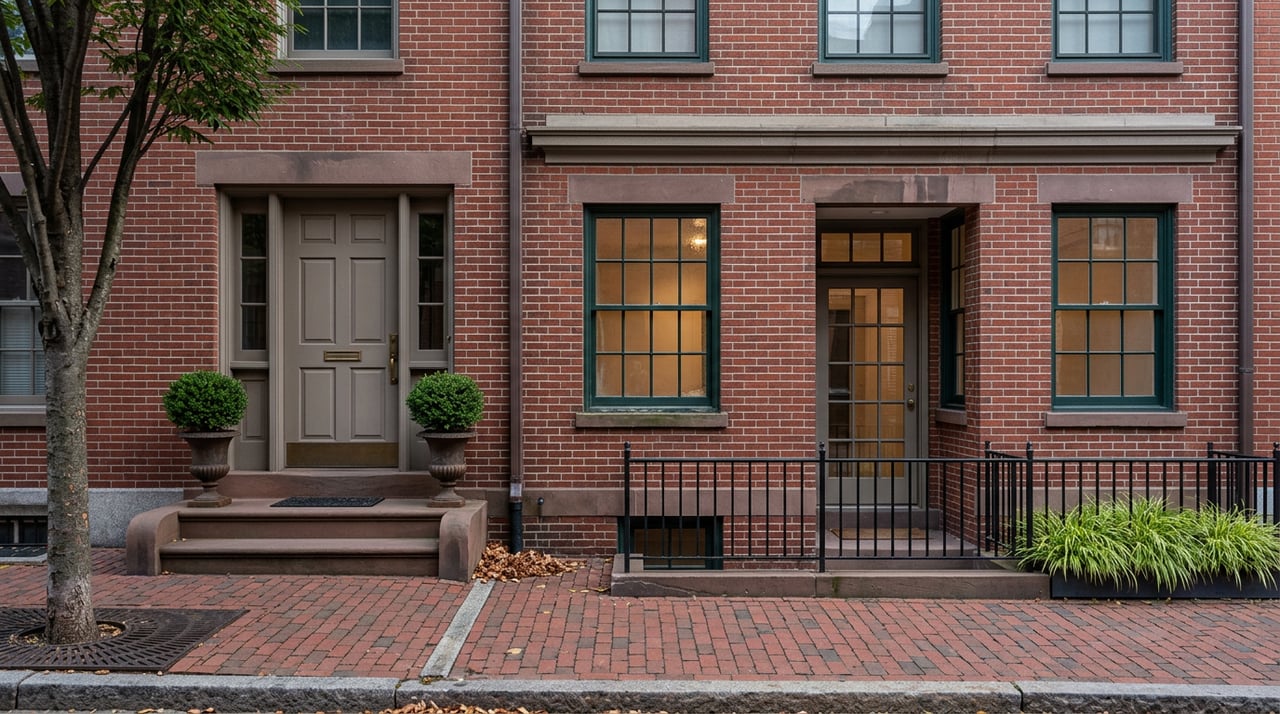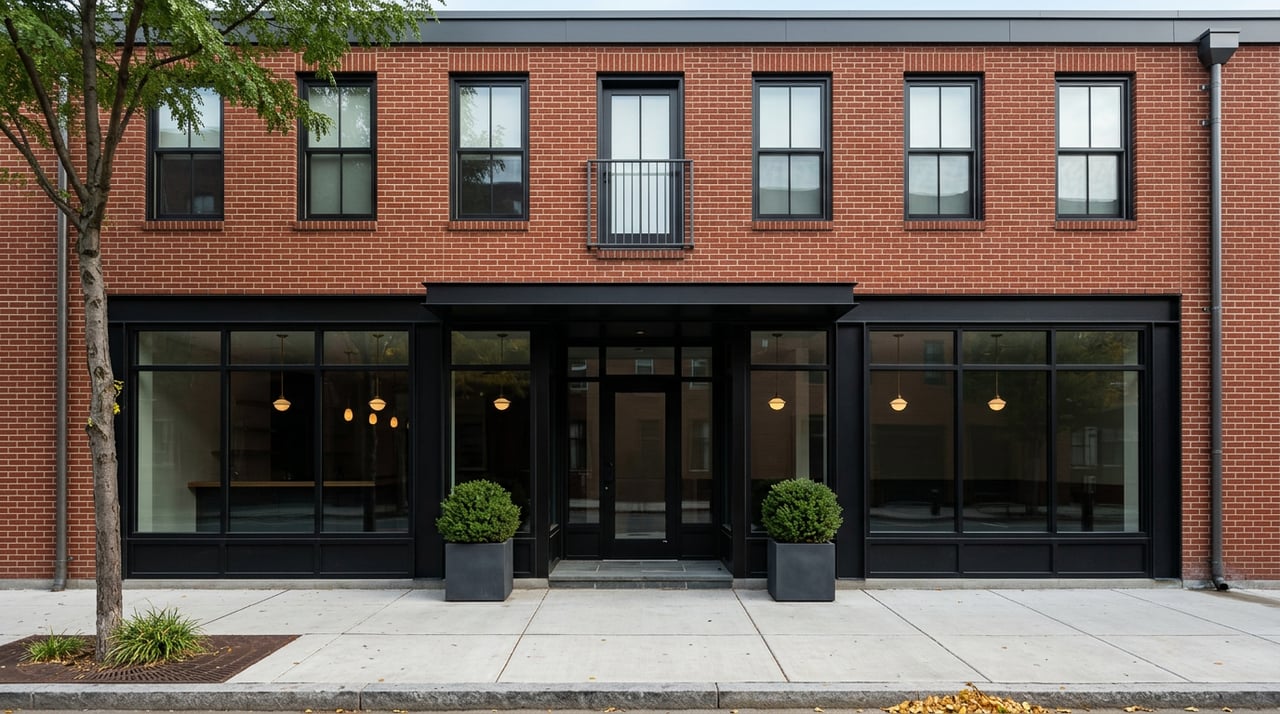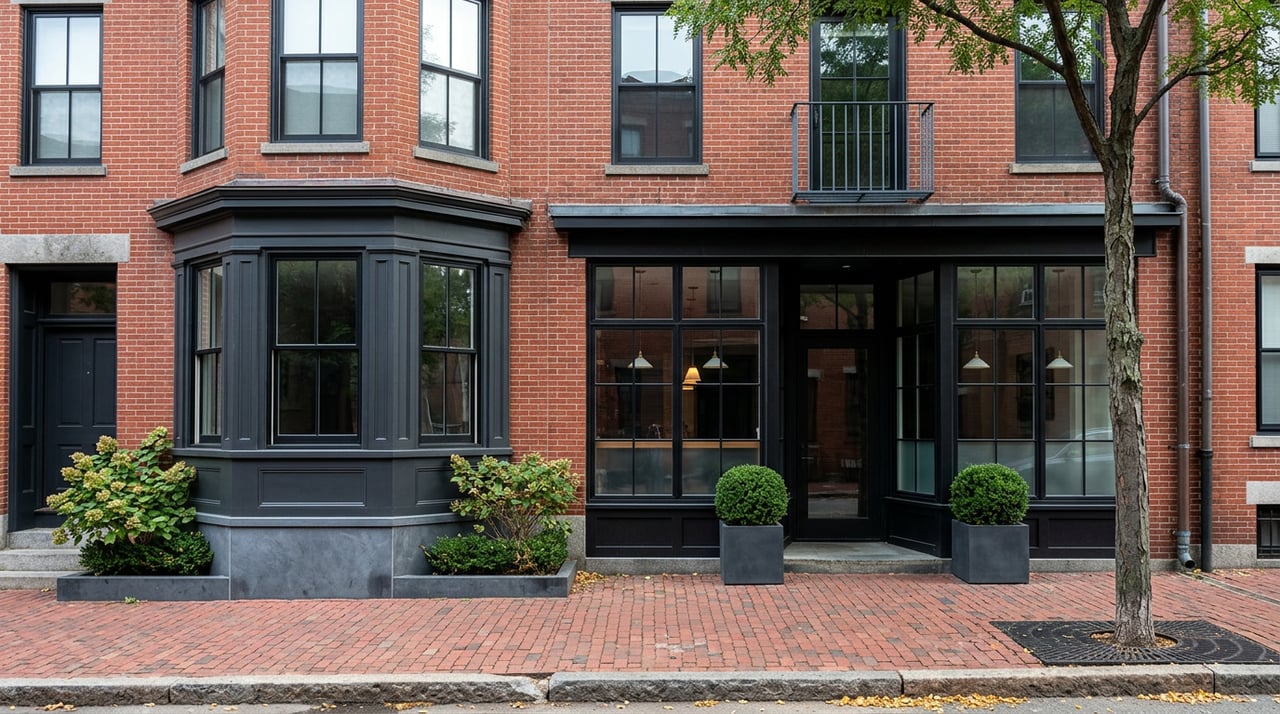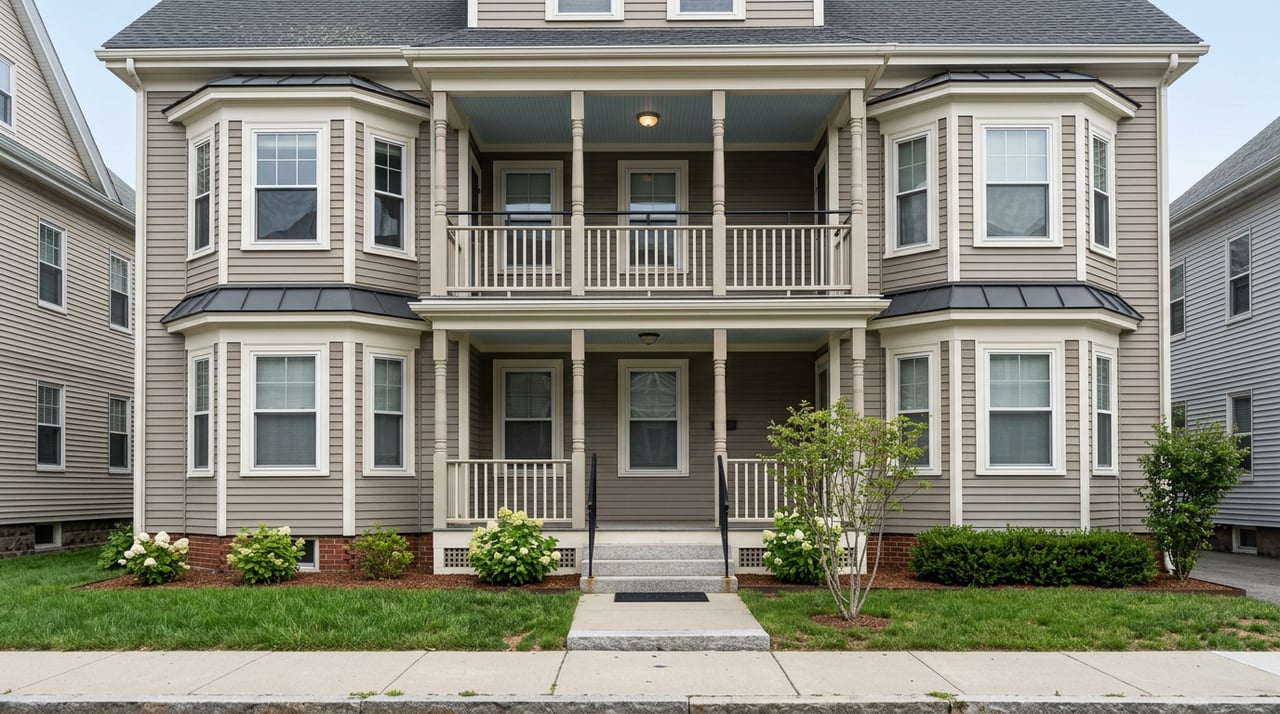
Owning a Dorchester three-decker puts you at a helpful crossroads. You can sell as-is, renovate and reset, convert, or exchange into a different asset. Each path has a different mix of speed, price, and complexity, and the right choice depends on your leases, building condition, and timing goals. In this guide, you’ll compare your options side by side, learn the local rules that matter most in Boston, and leave with a practical checklist to start moving forward. Let’s dive in.
Dorchester market snapshot
Dorchester is one of Boston’s largest and most varied neighborhoods, which means pricing and buyer demand shift by block, condition, and parking. The city’s own neighborhood profile highlights sub-area differences that shape value and marketing strategy. You should expect meaningful variation between North and South Dorchester and across building conditions. For context, review the City’s Dorchester neighborhood profile.
Citywide multifamily fundamentals have been relatively tight in recent reports, with stabilized occupancy often in the mid‑90 percent range and rents that track above national averages. That backdrop generally supports demand for income-producing small multifamily. You can scan recent Boston notes in Yardi Matrix’s multifamily market updates.
Typical three-decker buyers include owner-occupants who plan to live in one unit and rent the others, and small investors who underwrite in-place cash flow. Condition, parking, permits, and the clarity of your paperwork all influence offers. Instead of aiming for a single “Dorchester price,” have a local comp set and a clean document folder ready.
Your options at a glance
- Sell fully occupied to an investor
- Reposition units, then sell
- Convert to condos and sell individually
- Sell and roll gains into a 1031 exchange
Each path can work. The best fit depends on your timeline, cash flow, renovation appetite, tenant situation, and tax plan.
Option 1: Sell fully occupied
Selling with tenants and current rents in place is a straightforward route when your leases are solid and the building is well maintained. Investors can underwrite in-place income, which often shortens due diligence. The tradeoff is that some owner-occupant buyers pay a premium for vacant or turn-key units.
What buyers will expect from you:
- Clean rent roll with start and end dates, and current rent amounts
- Copies of every signed lease and any addenda
- Proof of security-deposit handling and receipts
- Evidence of required Boston rental registrations, inspections, and permits
Give buyers easy access to documents tied to Boston’s rental rules. You can review the City’s registration, inspection, and permitting resources on the Inspectional Services page.
Pros:
- Faster path to market and closing
- Less disruption to current tenants
- Underwriting focused on current cash flow
Cons:
- Price often reflects existing rents and any deferred maintenance
- Smaller owner-occupant buyer pool if units are not available for occupancy
Option 2: Reposition, then sell
Repositioning means improving unit finishes and systems, re-tenanting at market, and simplifying management before listing. Light upgrades, such as refreshed kitchens, baths, in-unit laundry, and clean mechanicals, can lift rents and sale price per unit. The tradeoff is time, cost, and permitting.
Permits and inspections to plan for:
- Work that touches structure, plumbing, or electrical typically requires permits and inspections through Boston Inspectional Services
- Schedule time for permit review and final sign-offs
- Confirm whether deleading is required or whether you need to provide specific lead disclosures for pre‑1978 buildings
You can find permitting and inspection guidance on Boston’s Inspectional Services hub. For lead rules and disclosures, review the state’s overview of Massachusetts Lead Law requirements.
Pros:
- Potentially higher per-unit pricing and broader buyer appeal
- Cleaner rent roll and fewer unknowns for new owners
Cons:
- Upfront cash outlay and schedule risk
- Tenant coordination, temporary relocations, and legal planning
Option 3: Convert to condos
Converting a three-decker to individual condo units can create higher exit prices in some markets. In Boston, this option comes with a structured local ordinance that sets notice periods, protections, and process steps when tenants are in place.
What you need to know first:
- Boston requires a conversion-permit process for condominium and cooperative conversions
- In occupied buildings, owners often must provide at least a one-year notice before recovering possession for conversion, with longer protections for certain elderly, disabled, or low-income households
- Relocation assistance and right-of-first-refusal mechanics can apply
Before you take any conversion step, read the City’s conversion ordinance and plan for a multi-month to multi-year process depending on tenant status. Start with the Boston Condominium and Cooperative Conversion ordinance. Many owners also find plain-language context in local tenant resources such as Massachusetts Legal Help’s overview of conversion protections.
Pros:
- Potential for higher total proceeds if unit values justify the time and cost
- Flexibility to sell units over time once conversion is complete
Cons:
- Longer timeline with strict local rules
- Relocation obligations and administrative steps that add cost and complexity
Option 4: Sell and defer with a 1031 exchange
If your three-decker is an investment property, a 1031 like-kind exchange can defer federal capital gains tax when you sell and purchase qualifying replacement real estate. The rules are strict.
Key timelines:
- Identify potential replacement property or properties within 45 days of the sale
- Acquire replacement property within 180 days of the sale, or by your tax-return due date if earlier
- Use a Qualified Intermediary so you do not receive the proceeds directly
Review the IRS instructions for timing and reporting in the Form 8824 guidance. Also factor in federal capital gains and depreciation recapture mechanics that affect your net. The IRS explains these in Publication 544. Massachusetts state tax treatment is not identical to federal rules, so loop in a Massachusetts-licensed CPA early.
Pros:
- Defers federal capital gains tax if executed correctly
- Lets you reposition into different property types or markets without an immediate tax bill
Cons:
- Strict 45/180-day deadlines and procedural requirements
- Added complexity and fees for exchange coordination
Tenant, timing, and compliance planning
Your plan and your calendar should reflect Boston and Massachusetts rules. If you need units vacant to execute your strategy, build in time for notices, process steps, and possible court delays.
Pre-listing document folder:
- Rent roll with dates and amounts
- All current leases and any addenda
- Security-deposit receipts and proof of escrow in a Massachusetts bank
- Rental registration confirmations and any inspection history
- Permits, certificates of inspection, and recent repair invoices
- Lead inspection letters or deleading documents for pre‑1978 buildings
Security deposits and lead paint:
- Massachusetts requires security deposits to be held in a separate, interest-bearing Massachusetts bank account, with written receipts and statements provided to tenants. Review the state’s rules for security deposits and last month’s rent
- For pre‑1978 properties, landlords and sellers must provide lead disclosures, and deleading or interim control can apply when a child under six lives in the unit. See Massachusetts Lead Law basics
Evictions and vacancy timelines:
- Massachusetts governs notices and summary process procedures, and contested cases can take weeks to months depending on court schedules and case specifics
- Judges can grant additional time to move in certain circumstances
- If your plan depends on vacancy, review the state’s overview of Massachusetts eviction law and speak with a local attorney before you act
Typical timing ranges
While every building and market cycle is different, owners often see these general windows:
- Sell occupied to an investor: 1 to 3 months from listing to close, assuming normal marketing, 2 to 4 weeks of due diligence, and a 30 to 60 day close
- Reposition with light rehab: 4 to 12 weeks for cosmetic and systems work plus permit timing, with added time for tenant coordination
- 1031 exchange: 45 days to identify and 180 days to acquire replacement property, measured from the sale date
- Condo conversion: multi-month to multi-year timeline depending on tenant protections and City processing
For permits and inspections, check Boston’s Inspectional Services resources. For exchange deadlines, follow the IRS Form 8824 instructions.
How to choose your path
Use a simple decision filter:
- Prioritize speed: If in-place cash flow is clean and maintenance is light, a fully occupied sale often balances price and time well
- Prioritize price: If targeted upgrades will clearly raise rents and buyer appeal, model a reposition with real contractor bids and a permit-aware schedule
- Prioritize flexibility: If you want to diversify into a different asset or market without an immediate tax bill, explore a 1031 with a CPA and Qualified Intermediary lined up before you list
- Consider conversion only if: Unit values meaningfully exceed likely three-decker pricing and you are prepared for Boston’s tenant-protection timelines and relocation requirements
Run the numbers with conservative assumptions. Include carrying costs, vacancy risk, renovation overhead, selling expenses, and taxes. Speak with a CPA about federal capital gains, depreciation recapture, and Massachusetts state tax so you are estimating net proceeds, not just gross price.
How Joe and FlyBuyBoston can help
You do not need to manage this alone. FlyBuyBoston blends high-touch, senior-led brokerage with renovation fluency and disciplined project management. Here is how we support small multifamily owners:
- Pricing and positioning for both owner-occupant and investor buyer pools
- Pre-list improvement planning, including Compass Concierge coordination for streamlined, value-driven updates
- Permit-aware timelines and vendor introductions for light rehab or turnover work
- Private marketing options through Compass Private Exclusives when discretion matters
- Transaction oversight that keeps documents, inspections, and lender requests on track
When you are ready to talk through your building, goals, and timing, connect with Joe Castro. We will map your options, model outcomes, and build a step-by-step plan.
FAQs
What should I include in a pre-listing packet for a Dorchester three-decker?
- Assemble a rent roll, all leases, security-deposit receipts and escrow proof, Boston rental registration and inspection history, permits and certificates, recent repair invoices, utility info, insurance declarations, and any lead inspection or deleading documents.
How do Boston condo conversion rules affect my sale timeline?
- Boston’s conversion ordinance sets notice periods, tenant protections, relocation assistance, and filings that can stretch the process from months to years; review the conversion ordinance before you start.
Can I evict tenants to deliver units vacant for a higher price?
- Proceed only with counsel; Massachusetts’ summary process has strict rules and contested cases can take weeks to months, with judges able to grant additional time to move; see the state’s overview of eviction law.
What are the basics of a 1031 exchange for a small multifamily sale?
- Identify replacement properties within 45 days, close within 180 days, and use a Qualified Intermediary; see the IRS Form 8824 instructions and discuss specifics with a CPA.
What are my security-deposit and lead paint obligations in Massachusetts?
- Hold deposits in a separate, interest-bearing Massachusetts bank account with proper receipts, and provide required lead disclosures for pre‑1978 properties; see the state’s pages on security deposits and lead law requirements.