Water views, concierge service, and a walk-to-everything lifestyle are a big part of the Boston waterfront’s appeal. If you are thinking about a condo on the harbor, you also know the stakes are higher on fees, insurance, and long-term resiliency. This guide shows you where to look, which amenities to expect, and how to evaluate buildings with confidence. You will leave with clear checklists for buyers and sellers and links to trusted local resources. Let’s dive in.
Where to find Boston waterfront condos
Seaport and South Boston Waterfront
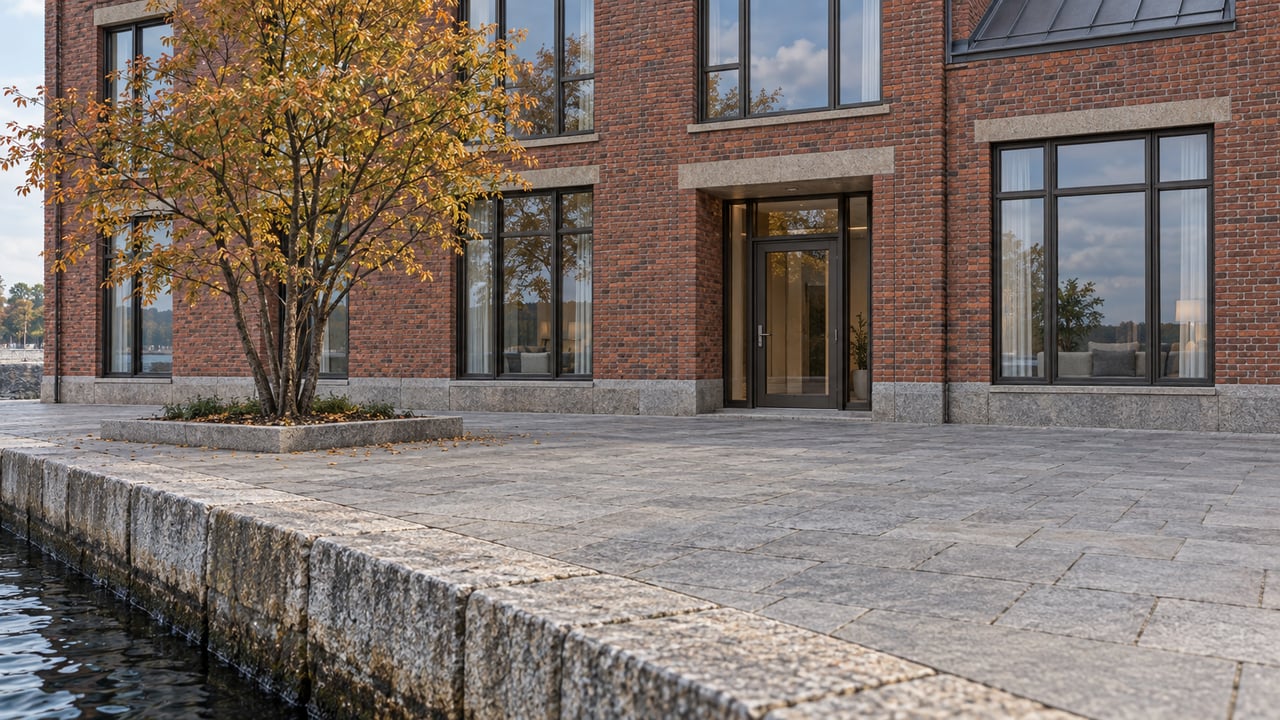
The Seaport is Boston’s newest luxury hub with modern towers, hotel-style amenities, and active development. You will find large glass residences, in-building dining, and services that resemble top-tier hotels. Inventory can be more volatile as new buildings deliver in phases. For planning context and project maps, consult the BPDA neighborhood maps and project pages.
North End and Boston Waterfront
Around Christopher Columbus Park and the Aquarium, you will see historic buildings converted to condos and mid-rise properties along the water. These homes often trade some in-building amenities for character and proximity to the Greenway and downtown. Unit footprints can be smaller, and amenity packages vary widely.
East Boston waterfront
Facing the skyline across the harbor, East Boston offers newer waterfront residences with ferry access and strong transit connections. You will find a mix of modern amenities and relative value compared to core downtown addresses. Aircraft noise can be a factor in certain locations given proximity to Logan Airport.
Charlestown Navy Yard
Charlestown’s waterfront blends historic mill conversions with newer developments, often with harbor-facing terraces and community green space. Amenities can include concierge service, fitness rooms, and parking options that are more attainable than some downtown peers. Access to downtown is straightforward via water transport and major roads.
Back Bay and West End edges
Parts of Back Bay and the West End meet the Charles River and harbor edges, offering traditional luxury buildings near cultural and retail centers. Expect strong demand and established associations with professional management. Views and outdoor access drive premiums in these neighborhoods.
What amenities to expect
Building-level amenities
- Concierge or doorman, often with 24/7 security
- Fitness centers, yoga studios, and in some luxury buildings, pools
- Roof decks and terraces with harbor or skyline views
- Parking, bicycle storage, and sometimes EV charging stations
- Package rooms, on-site management, and resident lounges
- Ground-floor restaurants or retail in mixed-use buildings
- Pet-friendly features such as dog runs or wash stations
- Storage units and, in select properties, limited dockage or direct water access
In-home features and finishes
- Floor-to-ceiling windows designed to maximize views
- Open kitchens with granite or quartz surfaces and high-end appliances in newer buildings
- Balconies or terraces in select stacks and floor plans
- In-unit laundry and efficient heating and cooling systems
- Enhanced glazing or soundproofing, especially important near busy roads or flight paths
Condo fees tend to be higher in waterfront buildings due to the services and systems required to maintain them. More amenities usually mean higher monthly dues, so weigh what you will use against what you will pay.
HOA, insurance, and financing basics
How Massachusetts condos work
Massachusetts condominium law sets the framework for documents, governance, and resale disclosures. Before you buy, review the master deed, bylaws, rules, recent financials, and meeting minutes. For statutory context, read Massachusetts General Laws Chapter 183A.
What condo fees cover
- Common-area maintenance, cleaning, and utilities for shared spaces
- Master building insurance for common areas and exteriors
- Reserve contributions for capital repairs like roofs, façades, and elevators
- Management, security staffing, snow and trash removal, and pest control
- In some buildings, certain utilities or basic internet services
Compare dues to similar buildings and verify whether utilities are included. Ask about the history of increases and any current or pending special assessments.
Insurance 101
Your association carries a master policy that typically covers common areas and the building exterior. You will likely need an HO-6 policy for your personal property, interior improvements, and personal liability. Clarify whether the master policy is “all-in” or “bare-walls-in,” and remember that flood insurance is separate from the standard master policy.
Financing and project approval
Lenders evaluate the association’s financial health, reserves, owner-occupancy ratios, and any litigation. FHA, VA, and some conventional programs have specific condo project requirements. Confirm project eligibility early to keep your financing timeline on track.
Waterfront risks and how to assess them
Flooding and storm surge
Many waterfront addresses fall within FEMA flood zones. Check your building’s designation on the FEMA Map Service Center, then review Boston’s planning work in Climate Ready Boston. For long-term projections, explore the NOAA Sea Level Rise Viewer. Ask about elevation certificates, flood protection measures, and whether the building requires flood insurance.
Building systems and salt exposure
Salt air accelerates wear on façades, metal components, and mechanical systems. Request service histories for elevators, HVAC, boilers, and domestic hot water systems. A thorough inspection should look for water intrusion and any corrosion-related issues.
Noise, traffic, and construction
The Seaport and nearby districts see frequent construction that can affect noise levels and view corridors. If you are near Logan flight paths, review resources from Massport to understand typical aircraft activity. Visit at different times of day to gauge ambient noise and traffic.
Access, parking, and transportation
Parking is limited and often expensive near the water, so confirm whether your space is deeded, assigned, or rented. Evaluate transit options on the MBTA, including the Silver Line, Blue Line access near the Aquarium, ferries, and water taxis. Many buildings sit along or near the Harborwalk, with public access information available through Boston Harbor Now.
Buyer checklist
- Review the master deed, bylaws, rules, recent financials, reserve study, minutes, and master insurance summary.
- Confirm flood zone status and obtain quotes for HO-6 and flood insurance if required.
- Verify parking type, storage, and bicycle facilities.
- Ask about recent and upcoming assessments and capital projects.
- Confirm rental and short-term rental policies before you make an offer.
- Schedule a home inspection focusing on envelope, HVAC, water intrusion, and salt-air impacts.
- Review elevator service history and estimated useful life for major systems.
- Check noise exposure and nearby construction timelines.
- Speak with your lender early about condo project eligibility and reserve requirements.
Seller checklist
- Gather the documents buyers and lenders will request, including resale certificates and financials.
- Disclose known material defects and consult a local real estate attorney on obligations in Massachusetts.
- Understand any planned association projects or assessments that could affect marketing and timing.
- Stage and photograph to showcase views and light while highlighting building amenities.
- Coordinate with the HOA or management for prompt document delivery to serious buyers.
Pricing, value, and resale
Waterfront condos often command a premium, but values vary by floor level, orientation, view, outdoor space, and parking. Buyers place strong value on unobstructed views, terraces, concierge services, and modern building systems. If you are selling, lead with the differentiators and provide a complete, organized HOA package to reduce friction with buyers and appraisers. Unique homes can challenge appraisal models, so plan for data-driven pricing and proactive communication with lenders.
Next steps
If you want a calm, coordinated path to a waterfront purchase or sale, work with a team that treats the process like a well-run project. You will benefit from renovation and building-systems fluency, concierge-level coordination, and careful document management from offer to close. With Compass tools such as Concierge and Private Exclusives, your preparation and presentation can stand out in any market cycle. To talk strategy or request a tailored building list, connect with Joe Castro.
FAQs
How do Boston waterfront condo fees compare to non-waterfront fees?
- Fees are typically higher due to enhanced services, building systems, and maintenance needs related to exposure and amenities.
Do I need flood insurance for a Boston waterfront condo?
- It depends on the FEMA flood zone and lender requirements; verify on the FEMA maps and obtain quotes if your unit or building falls within a Special Flood Hazard Area.
What does a condo master insurance policy cover in Boston?
- The master policy usually covers common areas and the building structure; you will likely need an HO-6 for interior finishes, personal property, and liability.
Are Boston waterfront condos a sound long-term investment given sea level rise?
- Risk varies by elevation, building resiliency, and neighborhood planning; review Climate Ready Boston materials and building-specific mitigation.
Can I short-term rent a waterfront condo in the Seaport or North End?
- Rules vary by building and local regulation; confirm association bylaws and any municipal restrictions before you plan short-term rentals.