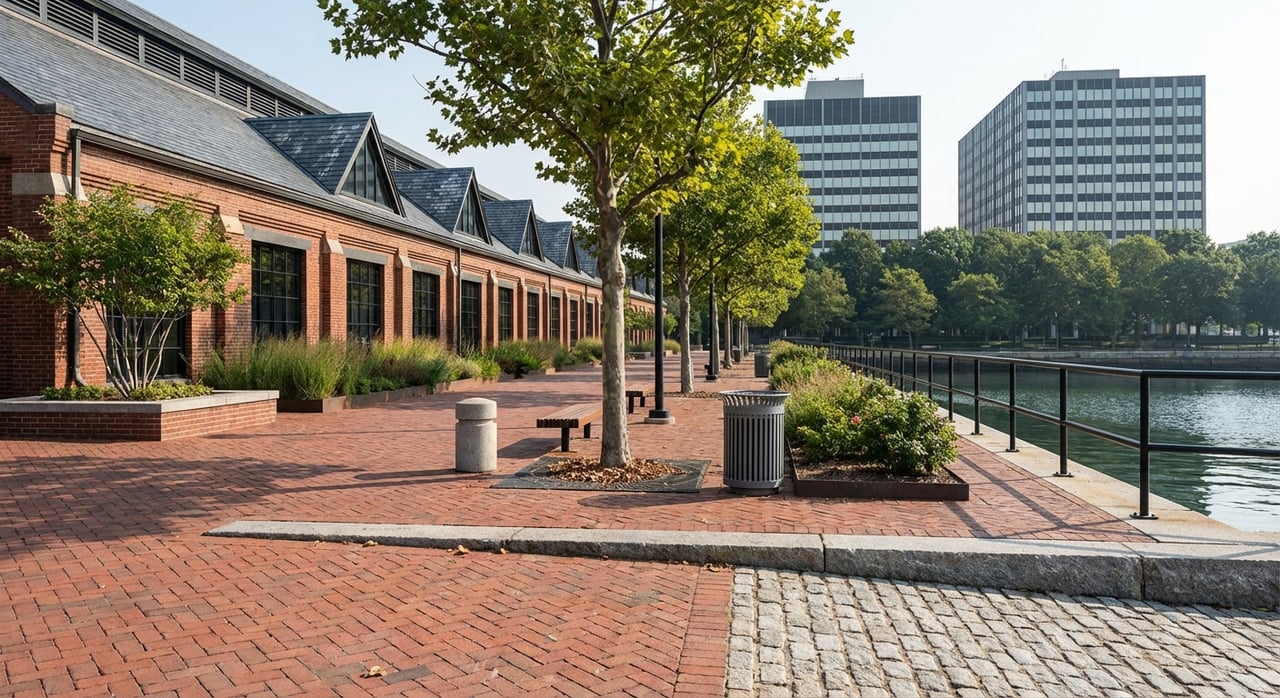
Dreaming of morning runs along the harbor and dinners steps from your door? In Boston’s South Boston Waterfront, often called the Seaport, you get modern homes, cultural anchors, and instant access to the water. If you are weighing a move, it helps to understand daily life, housing options, transportation, and the trade-offs that come with a growing destination. This guide gives you a clear, practical picture so you can decide with confidence. Let’s dive in.
South Boston Waterfront at a glance
The South Boston Waterfront sits just southeast of Downtown and Fort Point Channel and combines new high-rise residences, offices, and active piers with historic warehouse blocks. For a planning overview and neighborhood context, review the Boston Planning & Development Agency’s summary of the district’s evolution and boundaries at the South Boston Waterfront overview.
The area has transformed into a dense, mixed-use district with ongoing development and streetscape updates. You will notice active construction in some pockets as large projects add housing, retail, and public space. That change brings new amenities, but it also means you should expect periodic street closures and evolving storefronts.
Waterfront living, every day
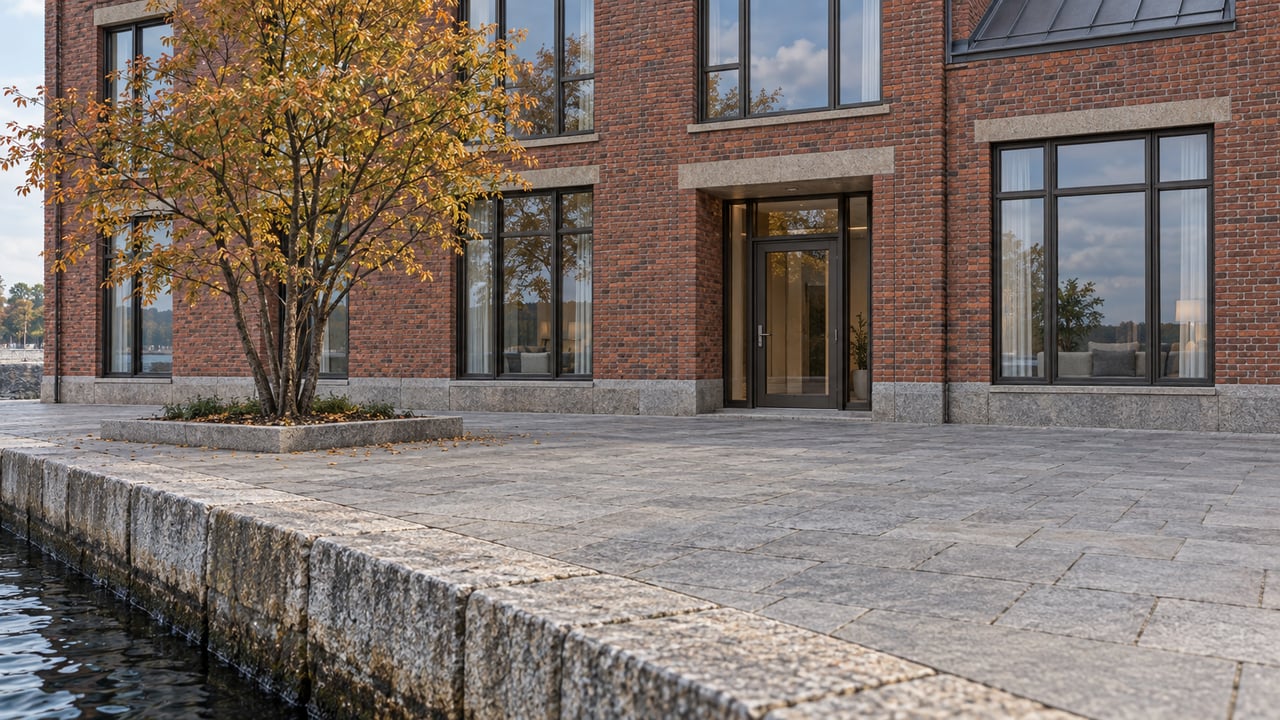
If you move here, the water is your front yard. The Boston Harborwalk links miles of shoreline, connecting parks, piers, and restaurants. Many residents use it daily for jogging, dog walks, and a calm commute on foot.
Fan Pier Park and nearby pocket greens offer easy spots to sit, picnic, and take in the skyline. Explore the lawns and overlooks highlighted by Fan Pier Park’s public spaces. Sunset views and photography are part of everyday life.
Food and nightlife
Dining and nightlife are central to the Seaport experience. You will find casual seafood spots, neighborhood cafes, and upscale rooms with harbor views. Weekends bring energy to outdoor patios, and summer nights can be lively.
On concert or conference days, crowds and rideshare demand increase near the Leader Bank Pavilion and the Convention Center. For a sense of event cadence and timing, review the Leader Bank Pavilion event info. Plan your reservations and parking around peak nights.
Culture and events
Two major cultural anchors sit within an easy walk of most buildings. The Institute of Contemporary Art offers rotating exhibits and waterfront programming. The Lawn on D is a permanent public lawn with concerts and community events that showcase the district’s civic energy. See how the space is programmed on the Lawn on D project page.
Large conventions and seasonal shows also shape the neighborhood’s rhythm. Expect added foot traffic on show days and a lively street scene in peak months.
Homes and buildings
You will see a mix of newly built luxury condos and rentals in tower complexes, often with concierge services and shared outdoor terraces. Amenity floors commonly feature pools, fitness centers, lounges, and co-working spaces. Private balconies and harbor-facing windows are frequent selling points.
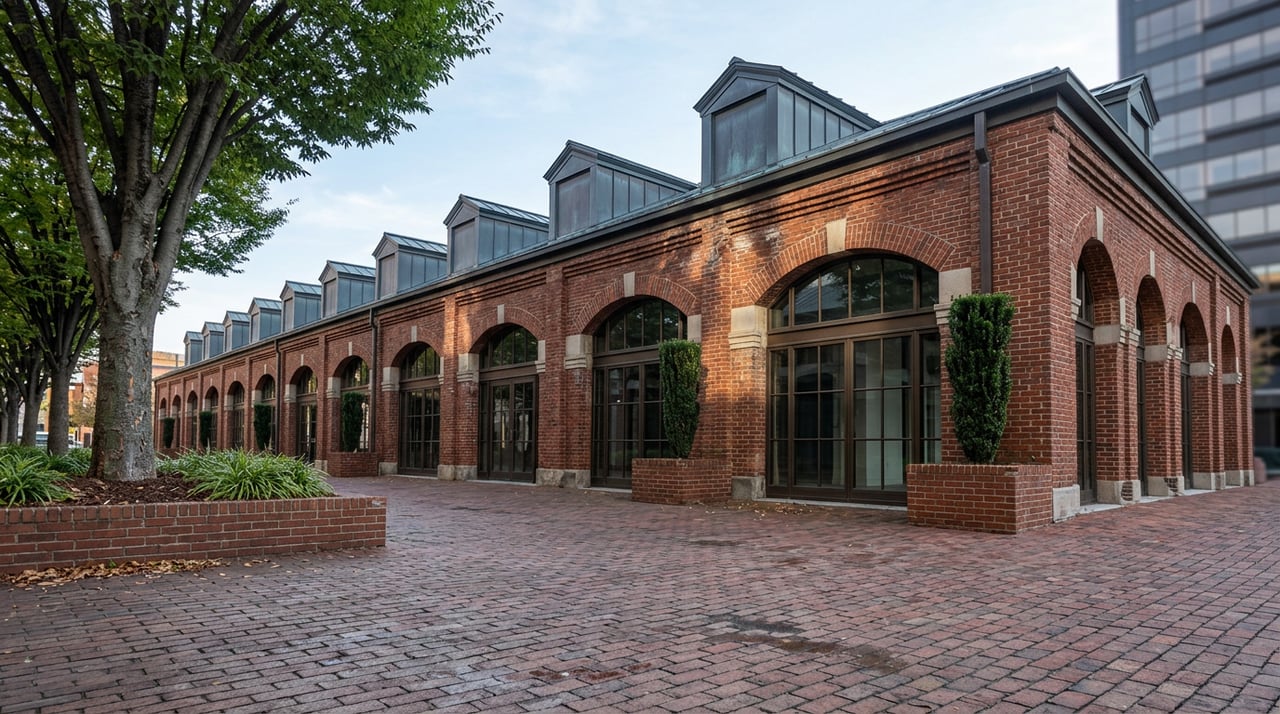
In Fort Point, historic brick warehouses have been converted into lofts. These homes often deliver taller ceilings and a distinct industrial character compared to glassier new construction. If you like variety, the neighborhood offers both streamlined modern towers and classic loft conversions.
Getting around
MBTA and the Silver Line
Transit access is straightforward. The MBTA Silver Line connects the Seaport to South Station and Logan Airport, with stations like Courthouse and World Trade Center serving most addresses. For route details and connections, use the Seaport TMA transit guide.
Ferries and water taxis
Water options add flexibility for commutes and weekend trips. Seasonal and scheduled services operate across the inner harbor, and on-demand water taxis can be convenient for direct hops. Check current service and schedules at Seaport ferry operators.
Walking and biking
Walkability is a daily advantage. Most errands, fitness studios, and restaurants are within blocks, and the Harborwalk doubles as a scenic route for short trips. Bluebikes stations are spread throughout the district, making quick rides easy.
Driving and parking
Highway access via the Ted Williams Tunnel and I-90 is a plus for drivers. Parking is typically paid and may be bundled as a premium building amenity. Traffic and garage demand rise on concert or convention days, so plan ahead on dates posted through Leader Bank Pavilion event info.
Pros and trade-offs
What many people love:
- Immediate waterfront access with the Boston Harborwalk
- A deep mix of restaurants, culture, and outdoor patios
- Newer buildings with full-service amenities and concierge options
- Short walks or bike rides to offices in the Innovation District
- Direct transit connections to South Station and Logan via the Silver Line
What to weigh carefully:
- Ongoing construction in some blocks as the district continues to grow
- Event-driven surges in traffic, parking demand, and street activity
- Fewer large-format grocery stores in the core compared with older neighborhoods, so many residents use nearby options or delivery services
- Coastal flood risk that is actively being planned for by the city
For accurate information on resilience efforts and project status, review the City of Boston’s Climate Resilience resources.
Families and planning
You will find family-friendly anchors like the Boston Children’s Museum and waterfront parks within an easy walk. School assignment in Boston depends on your specific address and Boston Public Schools policies. If you are moving with children, plan early for enrollment timelines and consider childcare availability near your building.
Is it right for you
The South Boston Waterfront delivers a polished, active, and highly walkable lifestyle centered on the harbor. If you value new construction, concierge-level amenities, and quick access to dining and culture, it is hard to beat. If you need quieter blocks, more parking, or a neighborhood that feels settled rather than evolving, you should test different times of day and event schedules before you decide.
A short neighborhood tour will tell you a lot. Walk the Harborwalk, time the Silver Line to your commute, and sample a concert night to see how it all feels. When you are ready, we can match these insights to specific buildings, floor plans, and views that fit your goals.
Ready to explore your options on the South Boston Waterfront? Connect with Joe Castro for a calm, expert-guided plan to buy or sell with confidence.
FAQs
Is the South Boston Waterfront walkable for daily errands?
- Yes. The Harborwalk, clustered shops and cafes, and dense blocks make it easy to walk for coffee, dining, fitness, and short errands most days.
How do I get to Logan Airport or South Station from the Seaport?
- The MBTA Silver Line connects directly to South Station and to Logan. Ferries and water taxis can also be efficient, especially in good weather.
Are there full-service grocery stores in the Seaport?
- There are many cafes and specialty shops in the core. For large-format grocery runs, many residents use nearby neighborhoods or delivery services.
Is the Seaport noisy or crowded at night?
- It varies by block and event schedules. Areas near the convention center, concert venue, or active construction can be busier. Visit at different times to gauge your comfort.
Should I worry about flood risk on the South Boston Waterfront?
- Flood risk is a planning consideration. The city is advancing resilience projects and design standards. Ask about site elevation, building resiliency features, and current project timelines when you tour homes.