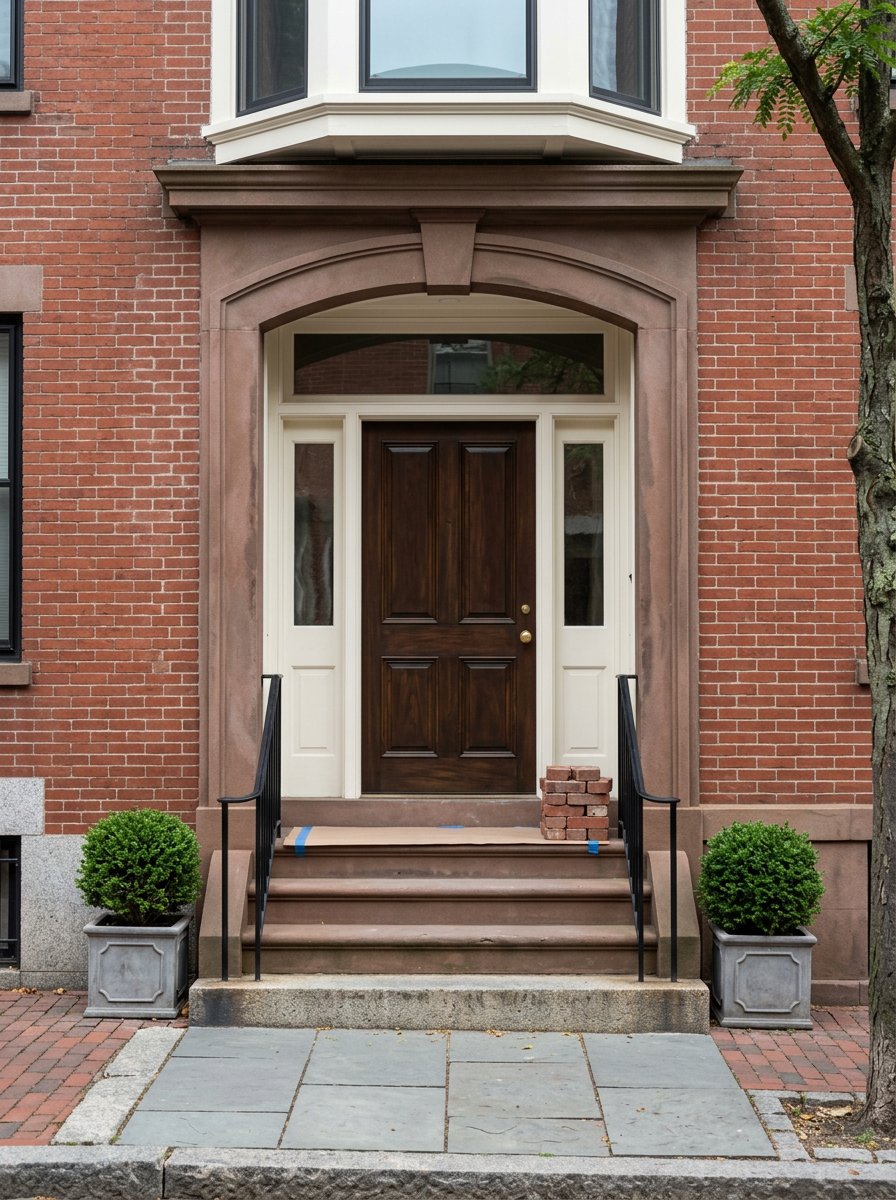
Renovating a Back Bay brownstone can feel equal parts inspiring and overwhelming. You want to respect the history, modernize what matters, and avoid approval or construction surprises that derail your budget. In this guide, you will learn how approvals work in the Back Bay Architectural District, what to do first, how to structure your timeline, and where to invest for the best long‑term value. Let’s dive in.
What makes Back Bay renovations unique
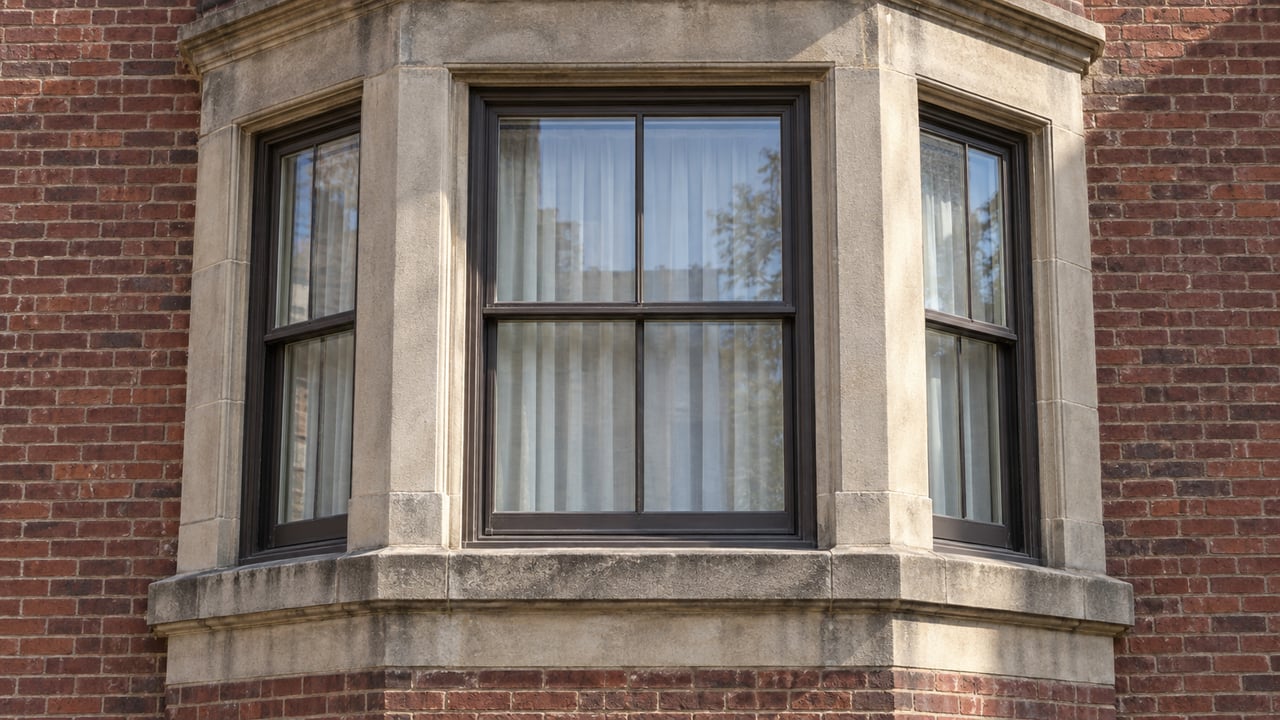
Back Bay’s historic status changes how you plan. Exterior work visible from a public way requires a Design Approval from the Back Bay Architectural District Commission before you start. The Commission’s guidelines favor repair and replication of original materials over replacement, so your design and documentation strategy matters from day one. You can review the district scope and guidelines on the city’s site and in the residential guide for details.
- Learn the Commission’s jurisdiction and process on the Back Bay Architectural District page at boston.gov.
- See what the Residential Guidelines prioritize, including window, masonry, and cornice standards, in the Back Bay Residential Guidelines PDF.
Groundwater and foundations
Many Back Bay buildings sit on timber piles that rely on stable groundwater. If your project involves excavation or substantial rehabilitation, you may be in the Groundwater Conservation Overlay District. GCOD compliance can require engineered recharge and a no‑harm letter, adding technical steps to your schedule. Start this assessment early to protect structure and budget. Review GCOD obligations and engineer documentation requirements in the Article 32 guidance.
Environmental safety in pre‑1978 housing
Back Bay’s housing stock predates modern paint rules. If your work disturbs painted surfaces, contractors must follow the EPA Renovation, Repair and Painting Rule. Expect certified renovators, pre‑work notices, and lead‑safe practices. You can confirm RRP requirements on the EPA’s RRP contractor page.
Approvals and permits you will need
Getting the order right reduces rework. Here are the key reviews and why they matter for your plan.
BBAC design approval
If you propose exterior work visible from the street, obtain BBAC approval before you apply for a building permit. The Commission meets monthly and expects complete applications with photographs, details, and materials. If changes are requested, plan for an additional review cycle. Find process details on the Back Bay Architectural District page.
ISD building permit
Major alterations or structural work require an Inspectional Services Department Long‑Form building permit. ISD will not issue until you upload external approvals like BBAC or zoning decisions. Do not start work until ISD issues the permit. See submittal requirements on the ISD Long‑Form permit page.
Zoning, GCOD, and ZBA
Changes to use, unit count, floor area, or excavation below a specified elevation can trigger zoning relief and a Zoning Board of Appeal hearing. GCOD projects often require recharge plans and an engineer’s no‑harm letter before final action. Learn what GCOD adds to your scope in the Article 32 overview.
Demolition delay
Significant demolition can trigger Article 85 review and a potential delay while alternatives are explored. This is a separate timeline item to plan for if large removals are part of your scope. See the process on the city’s Article 85 page.
Construction hours and noise
Boston regulates daytime hours and noise thresholds. Plan noisy work for approved windows and build a mitigation approach into your contractor’s plan. You can read the standards in the city’s noise regulations.
Step‑by‑step plan and timeline
Every project is unique, but this framework fits most Back Bay brownstone renovations.
Step A — Quick due diligence, 1 to 3 weeks
- Confirm if the building and your scope fall under BBAC review by checking the Back Bay Architectural District page.
- Pull permit history to understand prior alterations and any open violations. Start with ISD records using the city’s guide to finding historical permit records.
- If your scope involves basement work or substantial rehabilitation, assess GCOD exposure and engage an engineer early for groundwater and piling considerations.
- For condos, read the Master Deed and By‑Laws for alteration approvals, insurance, elevator windows, and deposits. Review unit and common element responsibilities under Massachusetts Chapter 183A.
Step B — Concept design and advisory outreach, 2 to 6 weeks
- Prepare a concise concept packet with photos, a scope outline, and preliminary details. Request informal guidance from BBAC staff before you invest in full drawings. The city encourages early contact.
- If you propose visible exterior changes, emphasize preservation. Match existing profiles and materials where feasible and document existing conditions with photos per the Residential Guidelines.
Step C — Formal BBAC submission and zoning, 4 to 12 plus weeks
- Submit your BBAC application ahead of monthly hearing deadlines. Allow for staff review and possible resubmission if revisions are requested.
- If zoning relief or GCOD certifications are required, build in time for public notice and hearing. Coordinate with engineers so recharge and no‑harm documents are ready for zoning or permit action. See GCOD’s requirements in the Article 32 overview.
Step D — ISD Long‑Form permit, 2 to 6 plus weeks
- Assemble a complete package for ISD: architectural and structural plans, BBAC decision letter, any ZBA decision, and GCOD documents if applicable. ISD lists required external approvals in the permit portal.
- Do not mobilize or order long‑lead items that rely on final approvals until the permit is issued. Review the process on the ISD Long‑Form permit page.
Step E — Contractor selection and logistics, 2 to 8 weeks
- Require references for historic district work, proof of insurance, and the right licenses. For pre‑1978 paint, confirm the firm’s RRP certification and a plan for lead‑safe work. You can verify expectations on the EPA’s RRP contractor page.
- Lock in public way and building logistics early. Reserve any sidewalk occupancy or dumpster space, coordinate elevator windows with your association, and plan neighbor communication if required by by‑laws.
Step F — Construction, inspections, and closeout
- Maintain daily site cleanliness, lead‑safe practices, and required notices. Schedule ISD inspections at milestones and document approvals.
- At completion, collect warranties, as‑builts, inspection sign‑offs, and BBAC decision letters. These documents will speed future resale and reduce buyer questions.
Budget, ROI, and where to spend
Back Bay costs run higher than regional averages due to access challenges, labor specialization, and historic replication. Use regional benchmarks as a baseline and prioritize projects that fit your goals.
- According to New England Cost vs. Value figures, a midrange minor kitchen remodel shows strong cost recoup, with regional returns often over 100 percent on typical scopes. Major kitchens at midrange levels show lower recoup, closer to half of cost. See the regional table in the Cost vs. Value report.
- A midrange bath update often recoups a high share of cost regionally. In contrast, large additions or high‑end suite expansions typically recoup less.
In Back Bay, specialized trades and matching original materials increase costs. BBAC guidance calls for repair over replacement and matching scale, texture, and materials, which can mean custom millwork or masonry. Build a contingency of 15 to 20 percent for hidden conditions. If your goal is resale in the next few years, focus on systems, moisture and foundation integrity, and targeted kitchen and bath refreshes. Preserving original character, such as mantels and moldings, often resonates with local buyers more than trend‑driven luxury finishes.
Common pitfalls to avoid
- Skipping early BBAC and zoning checks. If visible, exterior changes head to BBAC first, not after drawings are complete.
- Underestimating GCOD steps. Excavation and substantial rehabilitation can trigger engineer and recharge requirements that extend your schedule.
- Starting work before permits. ISD will not issue a building permit until external approvals are uploaded, and work cannot legally start without it.
- Light documentation. Incomplete photo records and material details slow BBAC review and increase revision risk.
- Ignoring building rules. Condo by‑laws may set contractor insurance minimums, construction deposits, and elevator scheduling that affect your timeline.
Documents to save for resale
Create a clean project file. A well‑organized record makes buyer due diligence faster and helps appraisals.
- BBAC decision letters and stamped drawings
- ISD permit numbers and final inspection sign‑offs
- Zoning or GCOD approvals and engineer letters, if applicable
- As‑built drawings and specifications
- Warranties and manuals for systems and appliances
- Lead‑safe documentation and any compliance letters
Ready to plan your brownstone project?
You do not need to navigate BBAC, GCOD, ISD, and contractor logistics alone. If you are renovating to live better or preparing to sell, our team brings calm, renovation‑fluent project coordination and clear cost‑to‑value guidance. We can help you prioritize scope, align your approvals and schedule, and, when selling, coordinate strategic upgrades through Compass Concierge for maximum impact. For a tailored plan that fits your building, timeline, and goals, connect with Joe Castro.
FAQs
Do I need BBAC approval for new windows on my Back Bay facade?
- If the work is visible from a public way, BBAC Design Approval is required and replacement must typically match the original configuration and materials. See the Back Bay Architectural District page and the Residential Guidelines.
How long do Back Bay approvals and permits take for a remodel?
- Plan a minimum of 8 to 12 weeks for BBAC review and an ISD Long‑Form building permit on projects that need historic review, with more time if zoning relief is required. See ISD’s process on the Long‑Form permit page.
What GCOD requirements could affect my brownstone renovation?
- Projects that include excavation or substantial rehabilitation in mapped areas may need a recharge system plan approved by BWSC and a stamped engineer no‑harm letter. Review Article 32 in the GCOD overview.
Which environmental rules apply to my pre‑1978 Back Bay condo?
- The EPA’s RRP Rule requires certified renovators, lead‑safe practices, and pre‑renovation notices for paint‑disturbing work. Review expectations on the EPA’s RRP contractor page.
I live in a Back Bay condo. Do I need board approval for an interior kitchen update?
- Many associations require written approval for structural, plumbing, or electrical changes and set insurance and scheduling rules. Confirm your documents and review unit and common element duties under Massachusetts Chapter 183A.