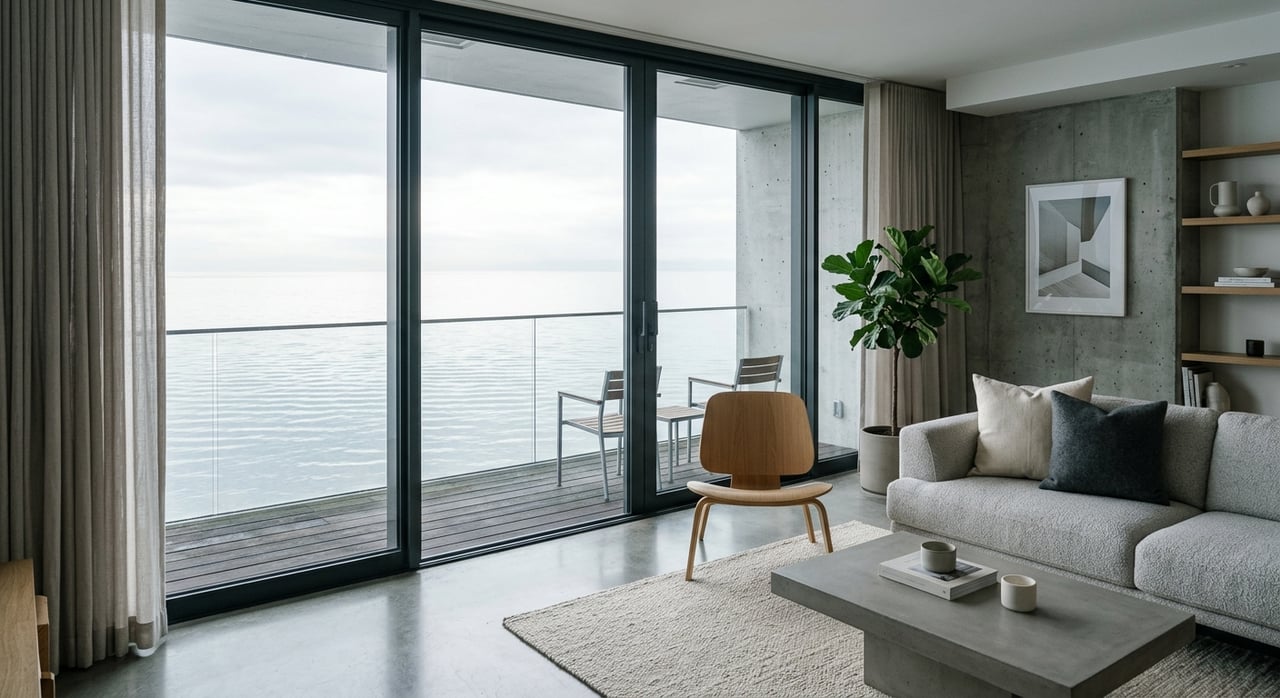
Wondering how to sell a Boston waterfront condo without leaving money on the table? In Waterfront and nearby Seaport-adjacent buildings, buyers are often paying close attention to the unit, the building, and the full ownership picture all at once. If you want a confident sale, you need more than a nice listing. You need a plan that matches how buyers actually evaluate waterfront condos. Let’s dive in.
Why Boston waterfront condos need a different strategy
Selling a waterfront condo is not the same as selling a typical city condo. Buyers are not only comparing square footage and finishes. They are also weighing view quality, building services, condo fees, document strength, and flood-related questions.
That matters even more in today’s market. Realtor.com showed Boston Waterfront homes selling for about 97% of list price on average in March 2026, with a median of 35 days on market and conditions described as balanced. Redfin also showed South Boston Waterfront as somewhat competitive in April 2026, with a median sale price of $1.08 million and 46 days on market.
The broader Greater Boston condo backdrop tells a similar story. GBAR’s March 2026 snapshot reported a median condo sale price of $723,000, 61 days on market, 2,129 active condo listings, and 97.4% of original list price received year to date. In other words, buyers are active, but they are still price-sensitive and detail-focused.
Price the view correctly
Not all water views carry the same value
One of the biggest mistakes sellers make is treating every waterfront view as equal. Research on water-view housing shows that premiums can vary based on how wide the view is, how close the home is to the water, and where the market is in its cycle. Full views and partial views can both add value, but not by the same amount.
For your condo, that means a direct harbor view, a side-angle view, and a view that may be more vulnerable to future obstruction should not be priced the same way. In Waterfront Boston, same-building and same-view comparisons are often more useful than broad city averages.
Buyers pay for what they can clearly see
A waterfront premium needs to feel real to the buyer. If your listing photos do not clearly show the actual sightlines, natural light, balcony access, or how the view lives day to day, buyers may hesitate. That hesitation can show up in longer market time or softer offers.
This is where disciplined pricing matters. In a balanced or only somewhat competitive market, overpricing can cause a waterfront listing to sit long enough that the initial excitement wears off.
Tell the full condo story
Buyers are buying the building too
With a waterfront condo, the unit is only part of the decision. Many buyers in full-service or amenity-rich buildings want to understand the full ownership package before they feel comfortable making a strong offer.
Fannie Mae notes that condo fees commonly cover exterior and common-area maintenance, water, sewer, trash, amenities, insurance, and reserves. Buyers and lenders may also review the project’s physical condition, financial stability, structural issues, lawsuits, inspections, and special assessments.
A clean condo packet can reduce friction
Massachusetts condo materials also reference reserve funds and owner assessments, which reinforces how important association finances are to the sale. For sellers, the practical lesson is simple. The easier your condo documents are to review, the easier it can be for buyers to move forward with confidence.
Before listing, it helps to assemble key information early, including:
- Condo fee breakdown
- Current budget information
- Reserve status
- Any current or recent special assessments
- Master insurance details
- Parking and storage assignments
- Pet and rental rules
- Any known building resilience or flood-mitigation details
A strong packet does more than answer questions. It signals that the sale is being handled with care.
Prepare for flood-risk questions early
Waterfront buyers expect clarity
In Boston, flood risk is a normal part of the waterfront conversation. The City of Boston says coastal flooding is driven by sea-level rise, seasonal high tides, and storm surge, and the city is planning for risk across all 47 miles of coastline.
That does not mean every sale becomes a problem. It does mean buyers may ask thoughtful questions about the building site, systems, and any work done to reduce potential damage.
What buyers may ask about your building
Boston’s flood-resilience guidance says elevation, filling basements or crawl spaces, and raising mechanical equipment are the measures that can affect insurance premiums. The city also notes that features like flood vents, backwater preventers, and flood-resistant materials can help reduce damage.
If your building has completed resilience improvements, those details belong in your listing package. They can help buyers better understand the property and may increase confidence around long-term ownership.
Some buyers may also come in with model-based climate screening data already in hand. For example, Redfin currently flags South Boston Waterfront as having severe flood risk, with 30% of properties likely to be severely affected over the next 30 years. Since that figure is model-based, it works better as a screening tool than a guarantee, but it helps explain why flood questions often come up early.
Use timing to your advantage
Spring can help, but strategy matters more
Spring is often seen as the best time to sell, and Realtor.com points to April through June as the conventional sweet spot. GBAR’s March 2025 release also described the spring market arriving with a flurry of new listings and increased inventory, which fits the usual Boston pattern.
For a waterfront condo, spring also tends to help visually. Longer daylight, brighter interiors, and easier access to balconies, terraces, Harborwalk connections, and shoreline spaces can make the lifestyle feel more immediate.
Do not rely on seasonality alone
Even in a strong spring window, pricing and preparation still drive results. If a condo enters the market too high, the added exposure from the season may not be enough to overcome buyer hesitation.
Confidence comes from combining the right launch window with the right pricing, presentation, and document readiness. That is especially true when the market is active but selective.
Market the lifestyle with proof
Waterfront marketing should be specific
The best waterfront listings do not just say “water views.” They show buyers exactly what that means. They also connect the unit to the building experience and the surrounding waterfront environment.
Boston’s resilience planning highlights public access, open space, and Harborwalk connections as part of the waterfront story. That gives sellers a useful framework for marketing. You are not only presenting an interior. You are presenting a way of living near the harbor.
What your listing should highlight
A strong marketing package often includes:
- High-quality photography of actual view corridors
- Arrival experience and lobby or common spaces, where relevant
- Balcony, terrace, or window sightlines
- Natural light at the right time of day
- Parking and storage details
- Building amenities
- Harborwalk or shoreline adjacency
- Clear condo documents and building details
- Relevant resilience features, if applicable
In a premium market segment, polished presentation matters. So does accuracy. Buyers want the premium to be demonstrated, not simply claimed.
Anticipate buyer questions before they ask
When buyers are spending at a waterfront price point, they often move carefully. They want answers that are clear, organized, and easy to verify.
Some of the most common questions include:
- What does the condo fee cover?
- How much of the budget goes to reserves?
- Are there any special assessments now or likely soon?
- What does the master insurance policy cover?
- Is the view direct, partial, or potentially affected by future development?
- What flood risk or resilience features apply to the site and building?
- How much time will I have to review condo documents after an offer is accepted?
When you prepare for these questions in advance, you reduce uncertainty. In many cases, that can help buyers feel comfortable acting faster and with fewer surprises.
What confidence looks like when you sell
Selling a Boston waterfront condo with confidence means controlling the details that buyers care about most. It means pricing the view with discipline, presenting the building clearly, organizing the condo documents early, and addressing flood-related questions with facts.
It also means treating the listing like a managed project, not just a marketing event. In a neighborhood where buyers notice the difference between a partial view and a direct harbor exposure, or between a vague condo packet and a clean one, that level of oversight can matter.
If you want a calm, well-managed plan for selling your waterfront condo, Joe Castro can help you prepare, position, and market your home with the level of detail this part of Boston demands.
FAQs
What is the Boston Waterfront condo market like right now?
- Recent data points to a balanced to somewhat competitive market, with homes selling around 97% of list price and market times ranging roughly from 35 to 46 days depending on the source and area definition.
How should you price a Boston waterfront condo with a view?
- You should price it based on same-building and same-view comparisons whenever possible, since direct harbor views, partial views, and potentially obstructed views may not command the same premium.
What documents should you prepare before selling a Boston waterfront condo?
- You should gather the condo fee breakdown, budget, reserve information, special assessment history, master insurance details, parking or storage assignments, pet and rental rules, and any building resilience information.
Why do buyers ask about flood risk for Boston waterfront condos?
- Buyers ask because Boston identifies coastal flooding as a real planning issue tied to sea-level rise, high tides, and storm surge, and some buyers also review model-based climate screening data before making an offer.
What building details matter most when selling a full-service waterfront condo in Boston?
- Buyers often focus on condo fees, reserve strength, assessments, insurance, physical condition, amenities, parking, storage, and any resilience upgrades that help explain ownership costs and building management.
When is the best time to sell a waterfront condo in Boston?
- Spring is often a favorable time because of stronger seasonal activity and better natural light, but pricing, presentation, and document readiness still matter more than timing alone.