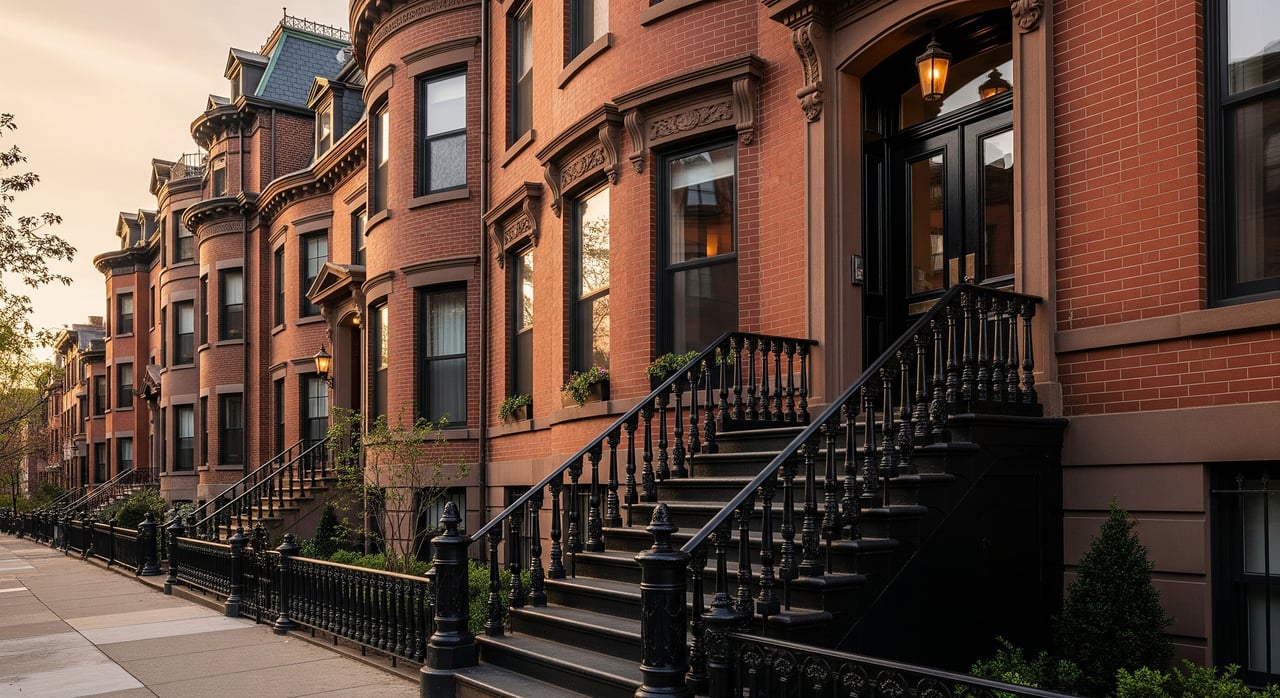
Are you eyeing a South End condo and wondering if the association’s reserve fund is solid? You are not alone. In a neighborhood filled with historic brownstones and boutique associations, reserves play a big role in price, risk, and even financing. In this guide, you will learn what reserves cover, how to read the numbers, which documents to request, and how buyers and sellers can protect their goals. Let’s dive in.
What condo reserves cover
Condo reserve funds are savings set aside for predictable, long-term repairs to common areas. Think roof replacements, brick and brownstone façade restoration, elevator modernization, boilers, and major waterproofing work. These are projects with big price tags that do not occur every year.
Reserves are not the same as the operating budget. The operating fund pays for recurring expenses like utilities, cleaning, landscaping, routine repairs, and management fees. Healthy associations budget for both, so day-to-day costs do not eat into future capital needs.
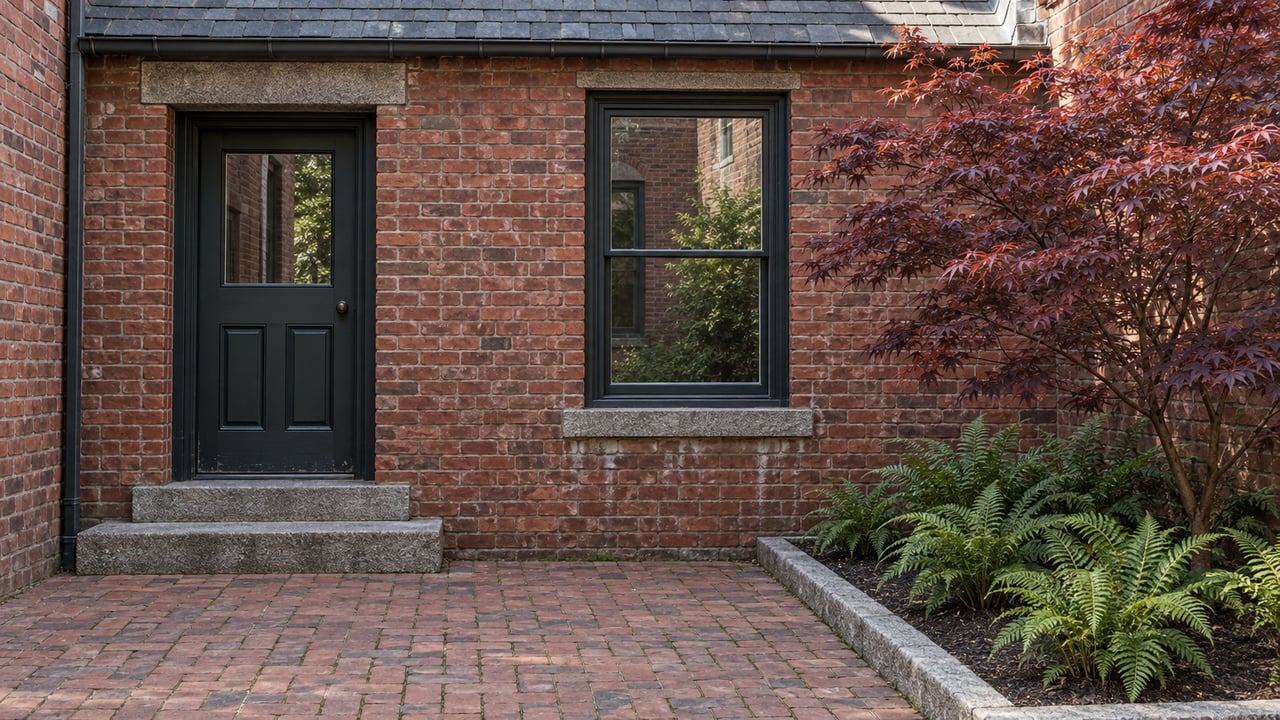
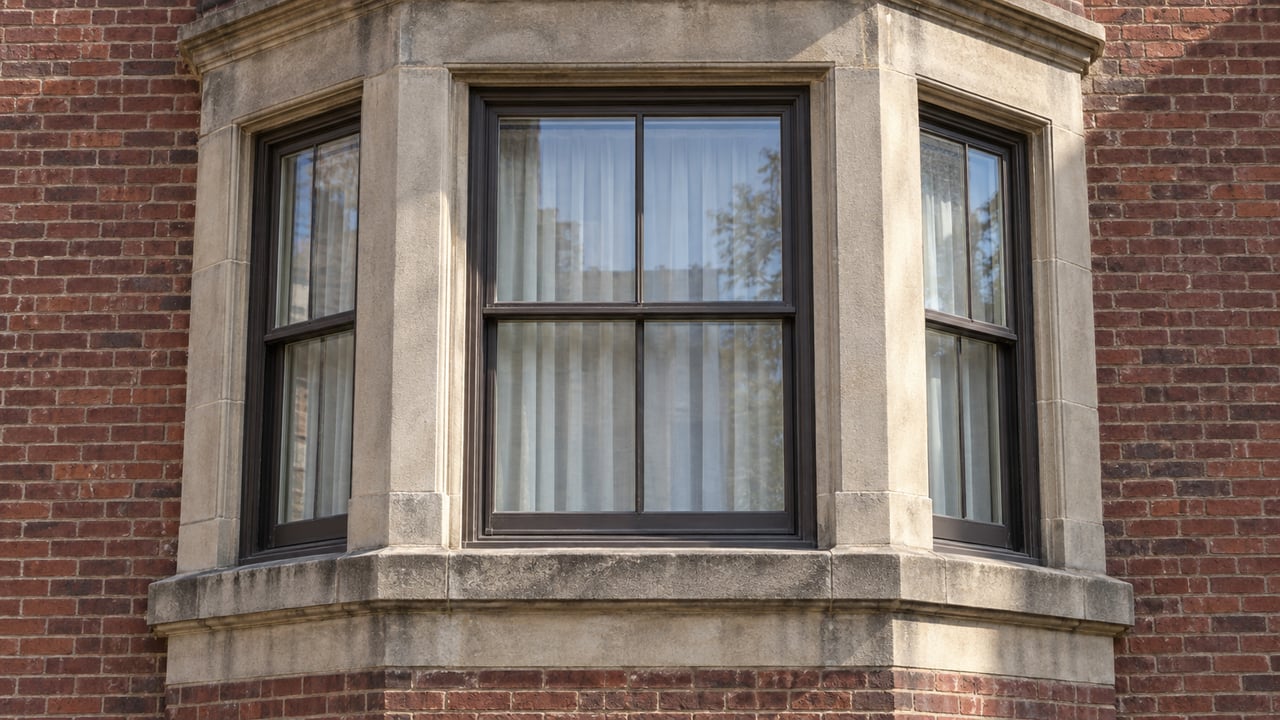
In the South End, typical capital items include masonry and lintel repairs, slate or membrane roofs, window restoration, boiler or HVAC replacement, and elevator upgrades. Because many buildings sit within historic districts, materials and methods often must match period details, which can increase costs.
Why reserves matter locally
Reserves protect owners from large, surprise special assessments when big-ticket projects come due. Strong reserves also signal careful planning, which boosts buyer confidence and can support marketability.
Many South End associations are small, often two to twelve units, created from converted brownstones. Smaller groups can have lower dollar balances and higher per-unit exposure when a roof, façade, or boiler needs work. Owner resistance to higher monthly fees can also lead to underfunding.
Lenders and insurers pay attention to reserve health. Underfunded associations can face tougher insurance terms or higher premiums. Some mortgage programs review the project’s financials, and low reserves can complicate approvals or limit loan options.
New England weather adds urgency. Freeze–thaw cycles, snow, and road salts speed up masonry and roof wear. That means more frequent tuckpointing, waterproofing, and roof work than in milder climates.
How to read a reserve study
A reserve study is your roadmap. It lists common components, their age and useful life, estimated replacement costs, and a funding plan that projects contributions and balances, often over 30 years. A site-inspection study is more reliable than a desktop review because it verifies real-world conditions.
Well-run associations update studies regularly. A common practice is to refresh the study every one to three years, with a full site visit performed less frequently or when conditions change.
Key metrics to know
- Funded ratio (percent funded). This compares the current reserve balance to the estimated cost of components based on their remaining life. As general guidance, ratios above the 60 percent range are often viewed as healthier. Ratios between 30 and 60 percent warrant closer review, and ratios under roughly 30 percent can signal elevated risk of special assessments or borrowing. Always interpret the ratio alongside building condition and upcoming projects.
- Deferred maintenance. If known repairs are delayed due to cost, risk can compound. Repeated deferrals are a warning sign.
- Delinquency rate. A high percentage of owners behind on dues strains the operating budget and may reduce reserve contributions.
Documents to review
Ask for these items during offers and contingencies. Review them with your agent and, when helpful, a qualified professional.
- Most recent reserve study and any addenda or site-inspection notes
- Year-end financial statements for the last two to three years and current reserve balance
- Current operating budget and reserve contribution schedule
- Board meeting minutes from the last 12 to 24 months
- History of special assessments in the last five to ten years
- Engineering or inspection reports for façade, roof, elevator, or structure
- Bylaws and declaration for assessment rules and voting thresholds
- Insurance certificates and any claim history
- Owner delinquency report and collection policy
- List of pending projects and any bids or proposals
- Litigation information involving the association
Buyer playbook: due diligence steps
You can reduce risk and plan your budget by following a clear process.
Request the core documents. Start with the reserve study, financials, current budget, minutes, and any engineering reports. Confirm whether the most recent reserve study included a site visit and note the date.
Check the funding plan against the calendar. Compare projected contributions to the timing and cost of known projects. Verify that contributions are rising in line with needs.
Ask targeted questions. Use showings, attorney review, and the document period to get clarity:
- When was the reserve study last updated and did it include a site inspection?
- What is the current reserve balance and percent funded?
- Which capital projects are planned or under discussion and how will they be funded?
- What special assessments have been levied in the last five years and why?
- What is the delinquency rate and collection policy?
- Are there any pending lawsuits or construction defect claims?
Walk the building with intent. Look for visible signs of deferred maintenance like spalling brick, missing mortar, water staining, soft spots on roof decks, or elevator ride issues. Visible concerns should align with the reserve plan; if not, ask why.
Speak with a lender early. If you need financing, share the association docs with your lender before finalizing your loan plan. Some programs review project health, including reserves, owner occupancy, and litigation.
Consider a specialist. For higher-priced purchases or older buildings, a reserve specialist or engineer with historic Boston experience can add meaningful insight, especially on masonry and envelope conditions.
Red flags in the South End
- Reserve study older than three years or no study at all
- Funded ratio under roughly 30 percent without a clear remediation plan
- Repeated special assessments or multiple assessments in recent years
- Deferred maintenance documented in reports or minutes
- High delinquency rates that could reduce contributions
- Pending large projects with no funding plan or partial funding only
- Historic district work coming due, such as masonry or window restoration, with higher material and labor costs
Seller playbook: set up your sale
If you are selling a South End condo, proactive preparation reduces friction and supports value.
- Commission or update a reserve study if your association’s report is dated. Transparency builds buyer confidence.
- Disclose upcoming capital projects and any planned or approved assessments. Buyers respond better to a clear plan than to surprises.
- If possible, time your listing after a major project is completed or after a special assessment is satisfied. If timing is not feasible, present the funding plan and timeline in writing.
- Organize documentation. Gather the latest financials, budgets, minutes, insurance, and engineering reports. Make them accessible early to keep negotiations smooth.
- Coordinate unit-level prep. While reserves focus on common areas, clean presentation, minor repairs, and staging in your unit help keep attention on value rather than unknown risk.
Financing and insurance impacts
Reserves show up in underwriting. Some mortgage programs evaluate a condo project’s financial health, including reserve funding, owner occupancy, and any litigation. Low reserves can limit eligibility or change loan terms. Early coordination with your lender helps you select the right financing path for the specific building.
Insurers also assess project condition and claims history. Associations with repeated claims, structural vulnerabilities, or deferred maintenance can face higher premiums or requirements to mitigate risk. That cost often flows into monthly fees or assessments.
Small vs. large associations
- Small brownstone associations, often two to twelve units, face higher per-unit exposure for big projects. A roof, a boiler, or masonry restoration can quickly translate into four or five figures per owner if reserves are light.
- Larger mid or high-rise buildings may have more complex systems and higher-dollar components, such as elevators and parking structures, but costs are spread across more owners. Review multiple years of budgets and the reserve plan to see if contributions match long-term needs.
Interpreting reserve health
No single metric tells the whole story. Read the funded ratio alongside the building’s age, the condition of key components, cash flow, and the timing of planned projects. As practical guidance, ratios in the 60 percent or higher range are often viewed as healthier, 30 to 60 percent requires closer review, and under roughly 30 percent signals elevated risk. The best sign is an association that follows its reserve plan, updates studies on a regular cadence, and increases contributions when needed.
Next steps and local help
If you are unsure how to interpret a study or a set of minutes, lean on the right professionals. A condominium attorney familiar with Massachusetts law can explain bylaws, assessment rules, and disclosures. A reserve specialist or engineer with historic Boston experience can evaluate building components and confirm costs. A seasoned property manager or association accountant clarifies budgets and collection practices. Your lender or mortgage broker can confirm financing options based on the project’s status.
Ready to move forward with a plan that protects your goals and timeline? Connect with a local expert who understands South End building types, historic requirements, and how reserves affect price and risk.
Let’s talk about your next step in the South End. For clear guidance, document review, and calm transaction leadership, reach out to Joe Castro.
FAQs
What is a condo reserve fund in a South End association?
- A reserve fund is money set aside for predictable, long-term common-area repairs like roofs, masonry, elevators, and mechanical systems, separate from the operating budget.
How does the funded ratio impact my South End purchase?
- The funded ratio shows how prepared the reserves are for upcoming costs; ratios above the 60 percent range are often healthier, 30 to 60 percent needs scrutiny, and under roughly 30 percent signals elevated risk.
Which documents should I request before buying a South End condo?
- Ask for the reserve study, financials, budget, minutes, engineering reports, insurance, bylaws, delinquency report, and any history of special assessments or litigation.
What red flags should I watch for in older South End buildings?
- Look for an outdated or missing reserve study, low funded ratio, repeated special assessments, deferred maintenance, high delinquencies, and unfunded projects, especially masonry or window work.
Can low reserves stop my loan for a South End condo?
- Low reserves do not always kill a loan, but they can complicate project approval or limit loan options; share documents with your lender early to confirm eligibility.
As a seller, how can I reduce buyer concerns about reserves?
- Update the reserve study, disclose upcoming projects and funding plans, organize documentation, and if possible, time your listing around major project milestones to show stability.