You found the perfect Boston condo, but your lender keeps asking if the building is “warrantable.” If that word feels unfamiliar, you are not alone. In Boston’s mix of historic brownstones, small associations, and mixed-use buildings, warrantability can shape your financing, timeline, and even your ability to close. In this guide, you will learn what warrantability means, what lenders evaluate, how Boston’s condo stock plays into approvals, and the steps you can take to protect your offer. Let’s dive in.
What warrantability means
When a condo project is “warrantable,” it meets the standards of major mortgage investors or government programs, so a lender can make a standard loan on a unit in that building. Lenders evaluate two layers. First is the project itself, including the HOA’s rules, budget, reserves, insurance, occupancy, and any litigation. Second is your unit and your qualifications.
Why it matters for you in Boston: non-warrantable buildings can limit your loan choices, raise costs, and extend timelines. Many beloved neighborhoods such as Back Bay, South End, Beacon Hill, South Boston, and Charlestown include historic conversions, small HOAs, and mixed-use layouts. These features are common triggers for deeper review.
What lenders look for in Boston condos
Owner-occupancy and rentals
Lenders review the share of units that are owner-occupied versus rented. High investor concentration can increase risk and make approvals harder. In neighborhoods with strong investor demand, ask the listing agent or HOA for current occupancy figures early.
HOA finances and reserves
Underwriters look for a complete budget, regular dues collection, and healthy reserves for capital projects. Thin reserves raise the risk of special assessments and deferred maintenance, which lenders treat as added risk for owners. Ask for the budget, last two years of financials, and any reserve study.
Litigation
If the association is in active or threatened litigation, lenders will assess the type of case and potential financial impact. Significant or unresolved litigation can make a project non-warrantable until it is resolved or underwriters determine the impact is minimal. Get written details from the board or counsel when possible.
Insurance coverage
The HOA must carry adequate master insurance, including property and liability, and wind or flood where required. Gaps or low limits can block approval. Request the master policy declarations, coverage limits, and evidence of any additional required coverage.
Commercial space
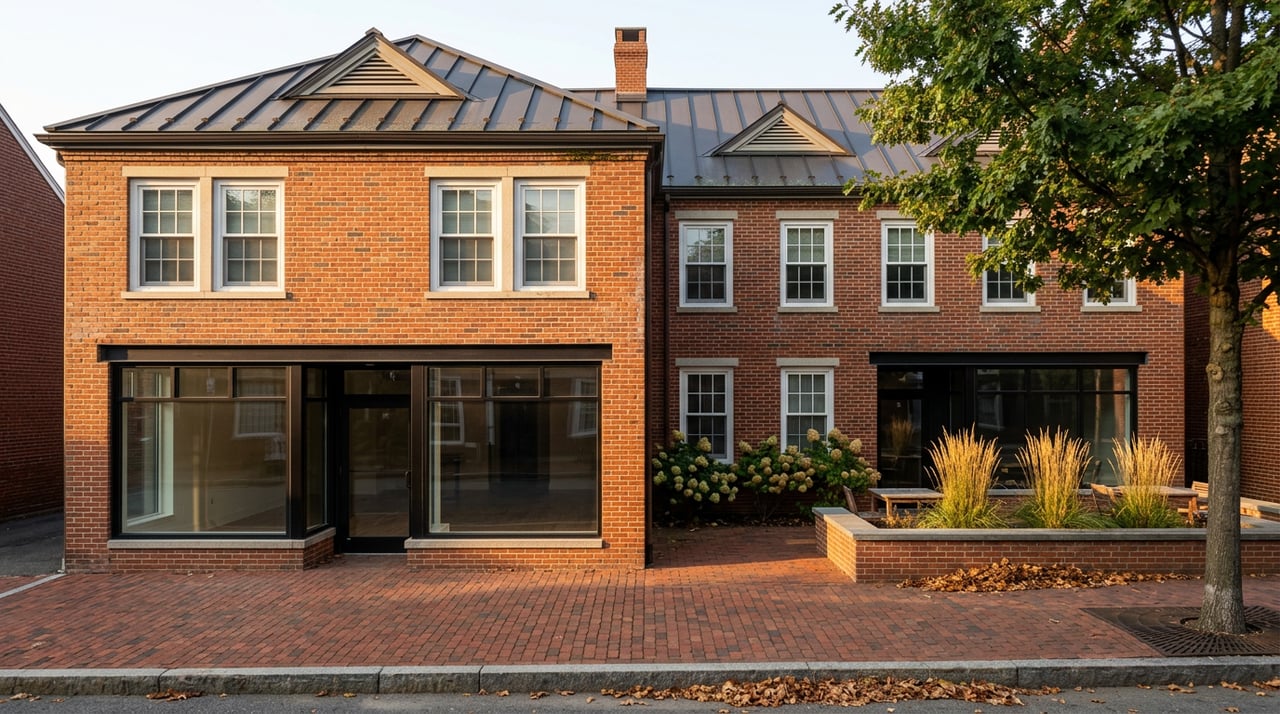
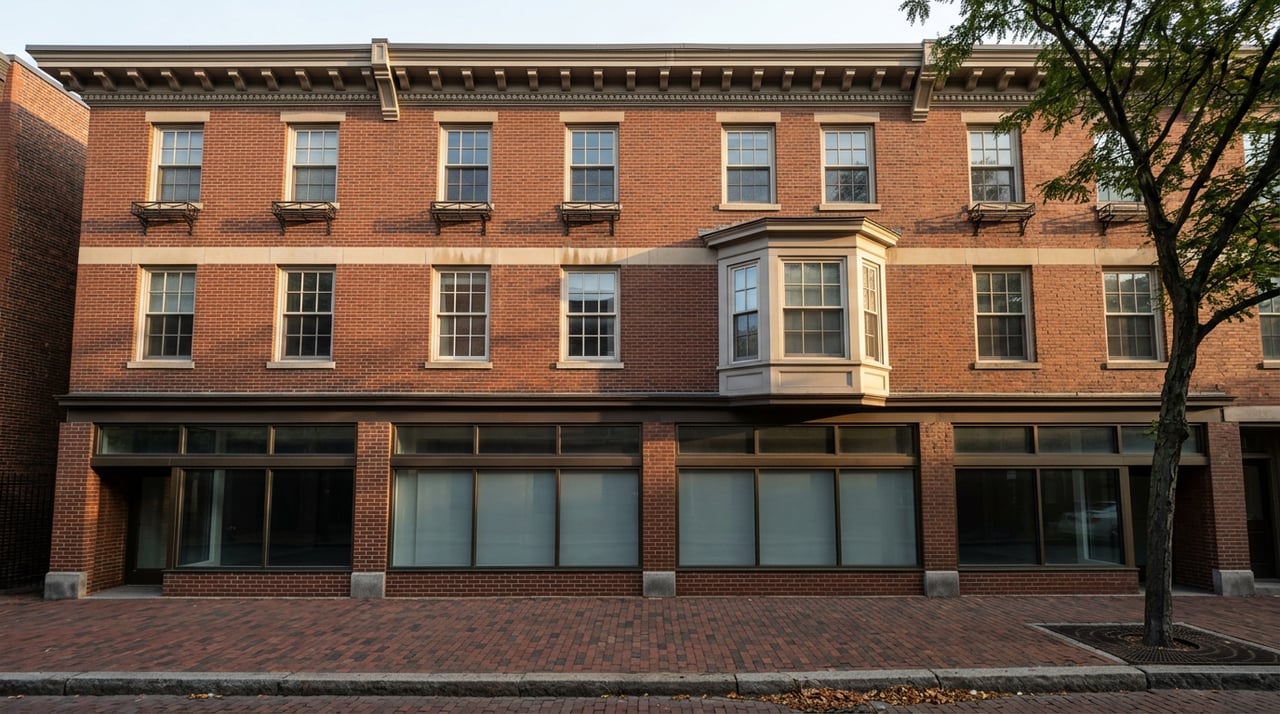
Mixed-use buildings with retail or offices on the ground floor are common across Boston. Lenders review how much of the project is non-residential. High commercial concentration can push a project outside standard program limits.
Single-entity ownership
If one person or company owns a large share of units, lenders view it as a control and revenue concentration risk. Your lender will ask the HOA how many units are held by the same owner.
Small associations and new conversions
Many Boston associations have 2 to 6 units. Small size can complicate reserves, voting, and documentation. New conversions can face extra scrutiny if the developer still controls the board or if documents are incomplete.
HOA dues delinquencies
High delinquency rates reduce HOA cash flow and may signal future risk. Underwriters will request the percentage of units that are behind on fees.
Specialty property types
Condo-hotels, short-term rental heavy buildings, or unusual legal structures often require specialized review. Some of these do not fit standard programs and may be non-warrantable.
How loan programs differ
Conventional loans via Fannie Mae and Freddie Mac
Most condo buyers use conventional financing. Lenders must confirm that the project meets investor standards. Focus areas include owner-occupancy, reserves, commercial use, litigation, insurance, and governing documents. For definitions and review types, see Fannie Mae’s guidance on project standards and reviews in the Fannie Mae Selling Guide, and Freddie Mac’s condo project guidance in the Freddie Mac Seller/Servicer Guide. Buildings with small HOAs, high investor ratios, or complex uses can face more documentation and time.
FHA loans
FHA has its own condominium program and approval processes, including project approvals and single-unit approvals in certain cases. Requirements and procedures evolve, so it is smart to confirm current policy and whether your project is eligible using HUD’s overview of the FHA Condominium program and HUD guidance on Single-Unit Approvals. Older conversions and small associations may face longer review timelines.
VA loans
VA loans require the building to meet VA project approval standards. Many projects are approved, but others will need a review that can take time. For program details and approval guidance, see the VA’s page on condominium approvals.
Portfolio and community bank options
Local banks and credit unions sometimes hold loans on their books, which allows more flexibility for non-warrantable or borderline projects. Rates, down payments, and documentation vary by lender. A condo-experienced loan officer can explain tradeoffs.
Boston-specific scenarios to watch
- Older building conversions. Common issues include incomplete declarations, thin reserve histories, or shared utilities. Ask whether the conversion was fully documented and recorded.
- Small associations. In 2 to 6 unit HOAs, reserves and governance can be harder to maintain, so lenders look closely at budgets and meeting minutes.
- Investor concentrations. Certain pockets of South Boston, Allston/Brighton, and small Back Bay conversions can show higher rental ratios. Confirm current owner-occupancy with the HOA.
- Developer control. In newer conversions, lenders want to see transition milestones, final recorded documents, and a clear budget not dominated by the developer.
- Local legal framework. Massachusetts condominium law sets the baseline for documents and disclosures. You can review the statute at Massachusetts General Laws Chapter 183A. Boston also maintains local guidance on the conversion process at the city’s page on condominium and cooperative conversions.
Your buyer game plan
Start your due diligence as soon as a condo catches your eye. Early document collection and lender coordination can save weeks.
- Ask for HOA documents upfront:
- Declaration and bylaws
- Current budget and last two years of financials
- Reserve study or reserve balance and schedule
- Master insurance policy declarations
- Recent meeting minutes and any board resolutions
- Litigation disclosures from the board or counsel
- Current owner-occupancy and rental data
- Details on commercial space and percentage of total area
- A list of any units owned by the same owner or developer
- Share the building details with your lender early. Provide the condo name and address so your loan officer can flag potential review requirements and confirm whether the project aligns with your loan program.
- Engage a Boston condo attorney and a title company with condo experience. They will confirm whether documents are complete and recorded and flag unusual title or assessment items.
- Build in smart contingencies. Include a mortgage contingency that allows you to exit if the association is not financeable for your selected loan type within a set period. Budget extra time for the condo review.
If a condo is non-warrantable
You still have options, and the right team can help you evaluate them. You can consider a portfolio loan, increase your down payment if required, or ask the seller or developer to address missing documents or repairs. In some cases, you may postpone the purchase while the HOA resolves a specific issue. Always compare total cost, timeline, and risk before you proceed.
Timeline and contract tips
Condo project reviews can add time. Some projects are approved quickly, while others require weeks of document gathering. Set expectations with your lender, add a cushion to your closing timeline, and keep your mortgage contingency aligned with the project review deadline. Clear dates and deliverables reduce stress and protect your deposit.
Key takeaways
- Warrantability is a building-level test that affects your financing, costs, and timeline.
- Lenders focus on owner-occupancy, reserves, litigation, insurance, commercial use, and ownership concentration.
- Boston’s small HOAs, historic conversions, and mixed-use buildings often require extra review.
- Start early: get documents, talk to a condo-savvy lender, and include smart contingencies.
- If a building is non-warrantable, alternatives exist, but they often require more time and higher costs.
Buying in Boston should feel confident and clear. If you want a calm, project-managed path from offer to close, with expert help on condo documents and lender coordination, connect with Joe Castro. Let’s get started — schedule a consultation with Joe.
FAQs
How do I check if a Boston condo is warrantable before offering?
- Ask the listing agent for the HOA name and documents, then give them to your lender, who can flag likely issues and outline the project review steps.
What are the most common warrantability red flags in Boston?
- Thin reserves, active litigation, high rental ratios, large commercial components, incomplete conversion documents, and ongoing developer control are frequent concerns.
Can I use FHA or VA if a condo is non-warrantable under conventional standards?
- Maybe, but not by default; FHA and VA have separate approval processes that can be stricter in some areas, and single-unit FHA approvals depend on current HUD rules and lender participation.
What documents should I request from the HOA when I get serious?
- Declaration and bylaws, budget and financials, reserve study or balance, master insurance, meeting minutes, litigation disclosures, occupancy data, and any commercial-use details.
If my preferred condo is non-warrantable, what are my financing options?
- Consider a portfolio loan, larger down payment, or asking the seller to cure documentation issues; compare total cost and timeline with your lender and attorney before moving forward.