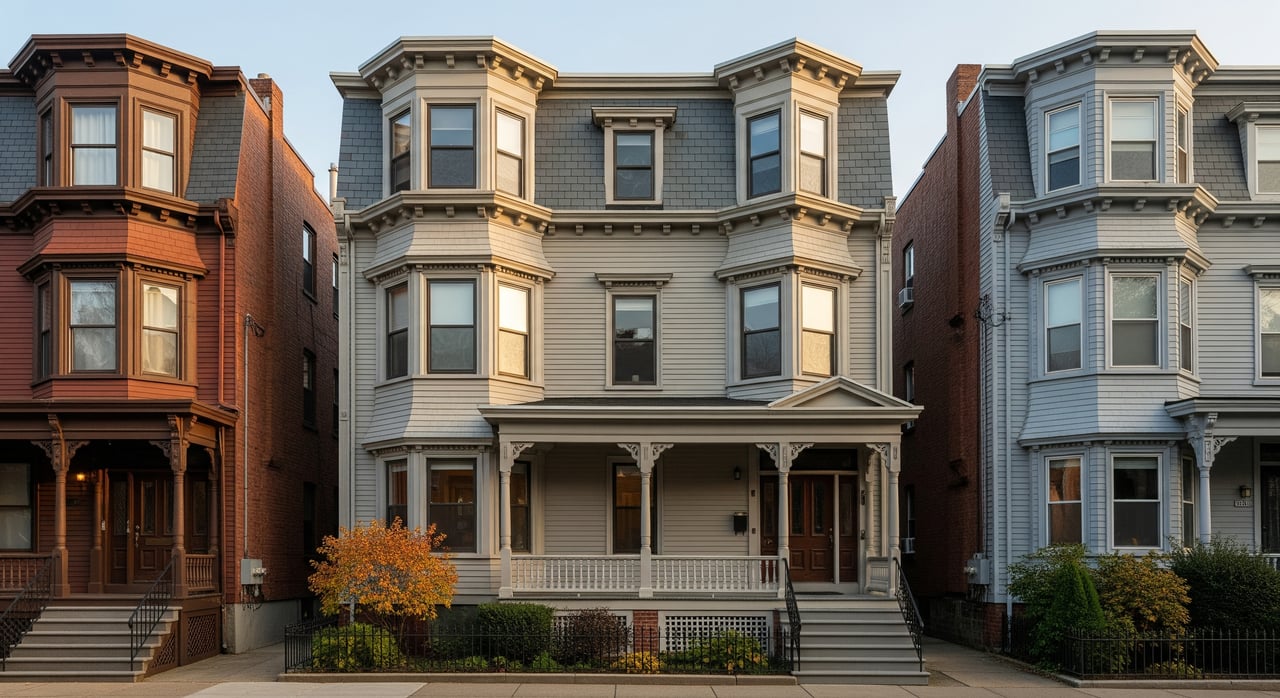
Thinking about buying a Dorchester three-decker as an investment or house-hack? You’re not alone. These classic Boston buildings offer three rent-producing units on one lot, and they can be a smart way to build equity while living in the city. In this guide, you’ll learn how to evaluate the opportunity, run the numbers, spot common building issues, and navigate Boston- and Massachusetts-specific rules with confidence. Let’s dive in.
Why three-deckers work in Dorchester
Dorchester’s three-deckers are wood-frame, three-story buildings with one apartment per floor, mostly built in the late 19th and early 20th centuries. They’re common across subareas like Ashmont/Peabody Square, Savin Hill, Fields Corner, Uphams Corner, and Adams Village. Unit layouts vary, but you’ll often see hardwood floors, porches, pitched roofs, and efficient footprints.
For investors and owner-occupants, the appeal is clear: multiple income streams on a single property, the option to live in one unit, and steady demand from renters who value transit access and family-sized floor plans. Proximity to Red Line or Fairmount Line stations and major bus corridors typically supports stronger rents and lower vacancy.
The tradeoff is age. Older buildings can hide deferred maintenance, dated mechanicals, and code or environmental issues. Plan deeper due diligence and realistic renovation budgets so your returns hold up.
Run the numbers first
Key metrics to know
- Gross Rent Multiplier (GRM) = Purchase Price / Gross Annual Rent. Lower can signal better value, but compare within the immediate micro-market.
- Net Operating Income (NOI) = Gross Scheduled Rent − Vacancy − Operating Expenses. Exclude mortgage payments.
- Cap Rate = NOI / Purchase Price. Use it to compare to similar Dorchester assets.
- Cash-on-Cash Return = (NOI − Annual Debt Service) / Cash Invested. This tells you how hard your cash is working.
Build conservative assumptions
Use local comps to estimate achievable rents and apply a vacancy allowance, commonly 5–8% in small multifamily underwriting. For operating expenses, many small landlords model 30–50% of gross rent, but line-item your budget for accuracy. Add a capital reserve for cyclical items like roofs, porches, heating systems, and exterior paint or siding. For older buildings, include a contingency in the 10–20% range on rehab scopes.
Financing: owner-occupant vs investor
Owner-occupants can access 1–4 unit loan programs through conventional lenders or FHA with lower down payments and often better rates than investor loans. Some renovation products, such as FHA 203(k) or Fannie Mae Homestyle, can roll rehab costs into the mortgage if you plan to live in the property. Pure investor loans typically require larger down payments, higher rates, and stronger reserves, and lenders will focus on debt service coverage, rent history, and property condition. Local portfolio or community lenders can be helpful for nuanced situations.
Location and micro-markets
Transit and amenities
In Dorchester, access to the Red Line, the Fairmount Line, and frequent bus routes is a major value driver. Buildings near stations like Savin Hill or Ashmont often see faster lease-ups and competitive rents. Neighborhood character shifts block by block, so study micro-markets and recent three-decker comps within a tight radius.
Climate and flood considerations
Low-lying parts of Dorchester, including areas near the waterfront such as Columbia Point, can face flood risk. Factor potential flood insurance into your underwriting and consider resiliency improvements when you plan upgrades.
Inspect what you buy
Structure and envelope
Review the foundation for settling or moisture, and check for sagging floors or compromised framing. Porches and balconies deserve special attention in older three-deckers. Evaluate roof age and flashing, gutters, and exterior cladding.
Systems and safety
Older buildings may have oil boilers, older chimneys, undersized electrical panels, knob-and-tube wiring, and cast iron or lead components in plumbing. Budget for heating and electrical upgrades to meet modern safety and capacity needs. Confirm smoke and carbon monoxide detector placement and function.
Lead paint and code compliance
Most pre-1978 homes carry lead paint risk. Massachusetts law sets clear responsibilities for landlords when a child under 6 resides in a unit or when lead hazards are present. You should plan for inspections, documentation, and mitigation if needed. In Boston, habitability rules and safety requirements are enforced by Inspectional Services; ensure you understand egress and fire separation expectations for three-unit buildings.
Permits and registration history
Before you offer, review the property’s permit and violation history. Unpermitted work can trigger financing and insurance issues. In Boston, residential rentals must be registered and are subject to periodic inspections. Confirm whether registrations are current and if any violations must be cleared before closing.
Insurance essentials
Price landlord policies that include property and liability coverage, and consider loss-of-rent coverage during renovation. If the building sits in a mapped flood zone, review flood insurance requirements and costs as part of your pro forma.
Plan your renovation
Prioritize high-value upgrades
Target improvements that drive rent or reduce risk: roofs, porches, heating and electrical systems, windows, kitchens, baths, and code corrections. In-unit laundry and efficient layouts can support better rent without overcapitalizing.
Budget with contingencies
Have multiple contractor bids, an itemized scope, and a realistic timeline. Set aside contingency funds. For older three-deckers, hidden conditions are common, so a disciplined scope and change-order plan protect your returns.
Rent-ready vs gut rehab
A light value-add that modernizes kitchens and baths, improves lighting, and tunes mechanicals can push rents with modest downtime. Full-gut rehabs can reset the clock on capital needs and maximize long-term durability, but they require more carrying costs and regulatory coordination. Align the scope with your financing, timeline, and rent targets.
Landlord obligations in Boston
- Register your rental with the City of Boston and follow inspection schedules and documentation rules.
- Follow Massachusetts security deposit and lease regulations, including escrow, interest, and notice requirements.
- Understand Boston’s short-term rental rules before listing any unit for short-term stays; many categories require registration and have occupancy limitations.
- Keep accurate records for leases, deposits, inspection reports, and lead compliance.
When in doubt, consult the Massachusetts Attorney General’s landlord-tenant resources and the City of Boston’s Inspectional Services for the latest guidance.
Manage for performance
Self-manage or hire
If you live locally and have the time, self-management can improve margins. Professional managers can handle leasing, rent collection, maintenance coordination, and compliance. Fees vary by service level. For out-of-area owners or those with multiple properties, professional management can stabilize operations and reduce vacancy.
Optimize revenue and retention
Focus on durable finishes, energy-efficient systems, and clean, safe common areas. Family-sized 2–3 bedroom layouts are common in Dorchester three-deckers. Aim for consistent maintenance response times and clear communication to reduce turnover costs.
Exit strategies and risk management
Plan your exits early
Common paths include hold for cash flow, refinance to pull equity, sell as a stabilized rental, or explore condo conversion where feasible and compliant with tenant protections. Work with a tax advisor on depreciation, capital gains, and potential 1031 exchanges.
Monitor what matters
Track occupancy, rent growth in your micro-market, maintenance and capital spending, tenant arrears, NOI trends, and cap rates from comparable sales. Watch for policy changes in Boston housing regulations and plan for rising insurance or resiliency needs in low-lying areas.
Due diligence checklist
Pre-offer
- Pull recent three-decker comps within a tight Dorchester radius for the last 6–12 months.
- Review City of Boston permit history, prior violations, and assessed value.
- Check FEMA flood maps or local guidance to identify flood risk.
Under contract
- Order a full building inspection: structure, roof and porches, mechanicals, electrical, plumbing, and pests.
- Conduct a lead risk assessment for pre-1978 properties and price mitigation if needed.
- Collect rent roll, current leases, and utility breakdowns by unit.
- Review insurance options and exclusions, including flood coverage.
- Lock financing that fits your profile (owner-occupant vs investor) and reserves.
- Build a 12–24 month pro forma with conservative vacancy and expense assumptions and a clear capex plan.
Pre-close
- Confirm City rental registration status and outstanding violations, if any.
- Verify the condition and remaining life of boilers, hot water heaters, and electrical, and obtain contractor quotes for any lender-required fixes.
- Review lease language and security deposit handling for full compliance with Massachusetts law.
If you want a calm, project-managed approach to sourcing, underwriting, and improving a Dorchester three-decker, you can lean on a local team that understands both the asset class and the renovation details. Reach out to Joe Castro for advisory, lender introductions, and transaction oversight from offer through stabilization.
FAQs
What is a Dorchester three-decker and why invest?
- A three-decker is a wood-frame, three-unit building common in Boston; you get multiple rents on one lot, potential owner-occupant financing benefits, and steady demand near transit.
How do owner-occupant loans work for Boston three-deckers?
- Many lenders offer 1–4 unit programs with lower down payments and favorable rates if you live in one unit; some renovation loans can include rehab costs for owner-occupants.
What building issues are common in older Dorchester three-deckers?
- Expect to evaluate roofs, porches, foundations, older boilers, electrical capacity or knob-and-tube wiring, aging plumbing, lead paint risks, and moisture or chimney deterioration.
Do Massachusetts lead laws apply to pre-1978 three-deckers?
- Yes; if a child under 6 resides or lead hazards are identified, owners have duties to inspect, mitigate, and document compliance under Massachusetts law.
Does Boston require rental registration for three-family properties?
- Yes; Boston requires rental registration and periodic inspections, with records maintained and any violations addressed before or soon after closing.
How should I estimate cap rate and cash-on-cash for a Dorchester three-decker?
- Use local rent comps for gross rent, subtract vacancy and expenses to get NOI, then calculate Cap Rate = NOI / Price and Cash-on-Cash = (NOI − Debt Service) / Cash Invested.