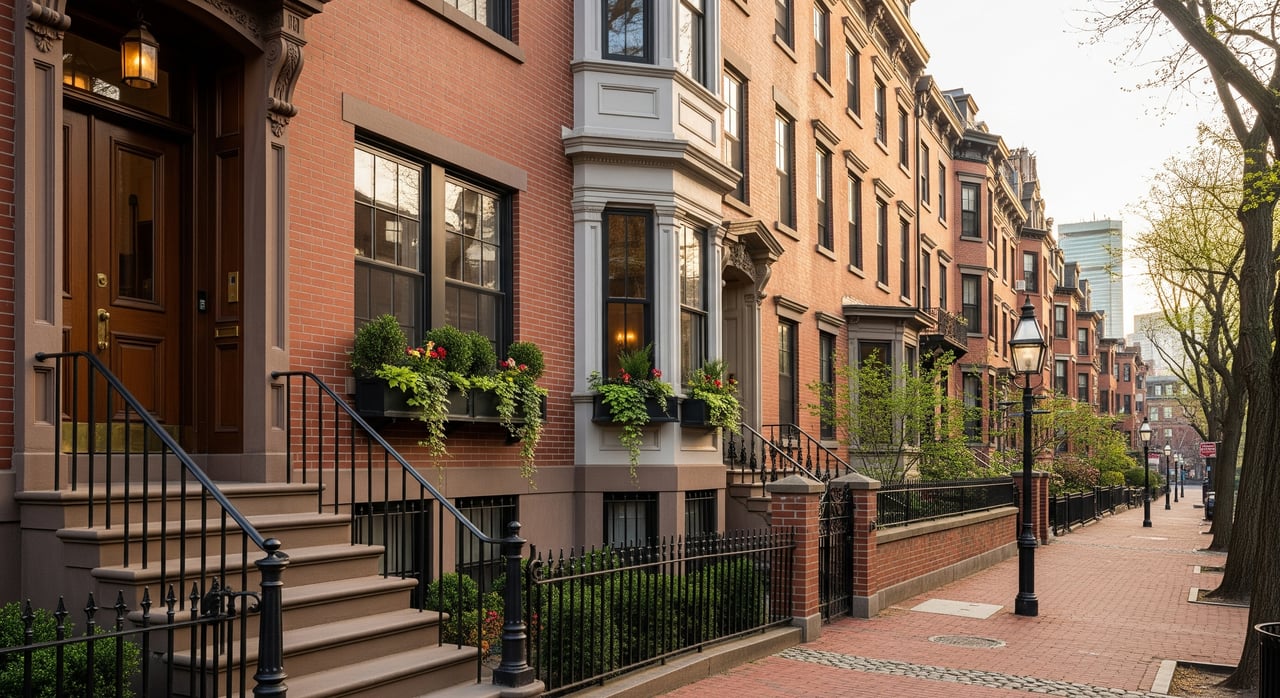
Thinking about living in Boston’s South End? If you love historic architecture, walk-to-everything convenience, and a lively arts and dining scene, this neighborhood belongs on your short list. You want the full picture before you buy or sell, from housing types to parking realities to renovation rules. This guide gives you a smart, local overview and practical steps to move forward with confidence. Let’s dive in.
Why the South End stands out
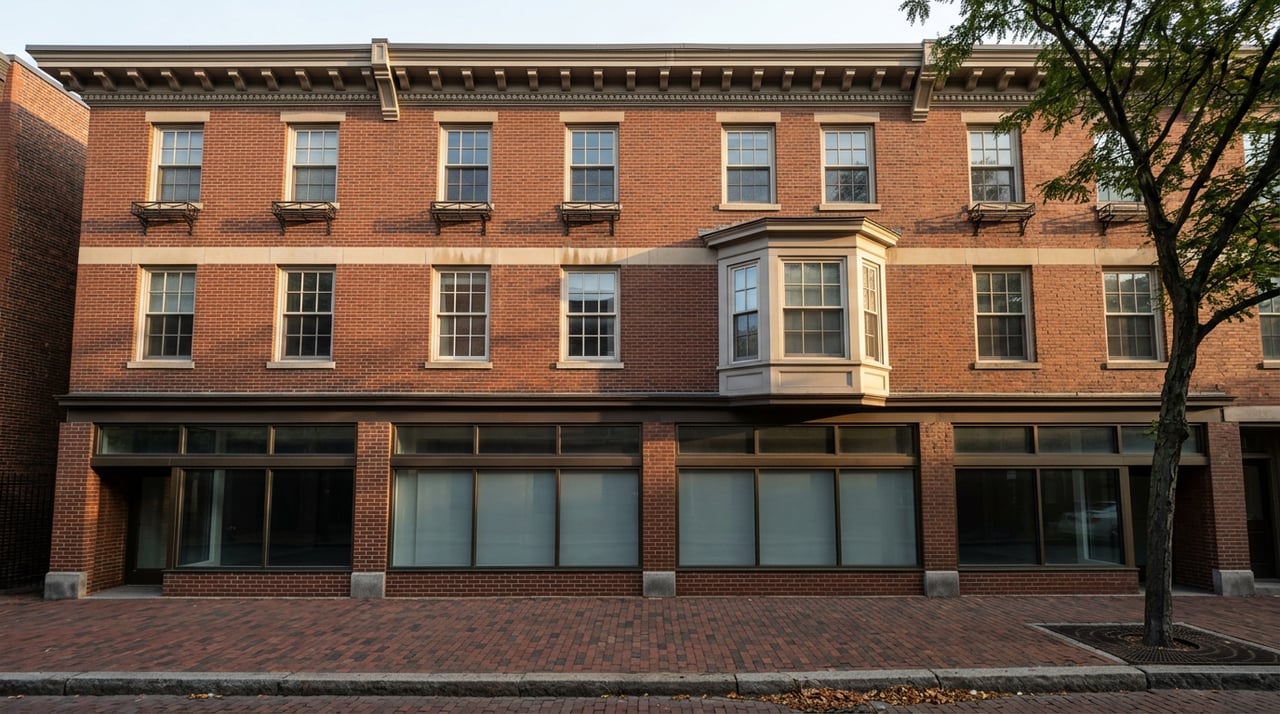
Mid‑19th‑century Victorian brownstones line tree‑shaded streets, and much of the neighborhood falls within a protected historic district. That preservation framework keeps the character intact and supports long‑term appeal. For context on neighborhood history and services, start with the City of Boston’s overview of the South End neighborhood.
You will also find contemporary homes and lofts. SoWa’s creative district and the Ink Block area add modern energy alongside classic blocks.
Housing types and architecture
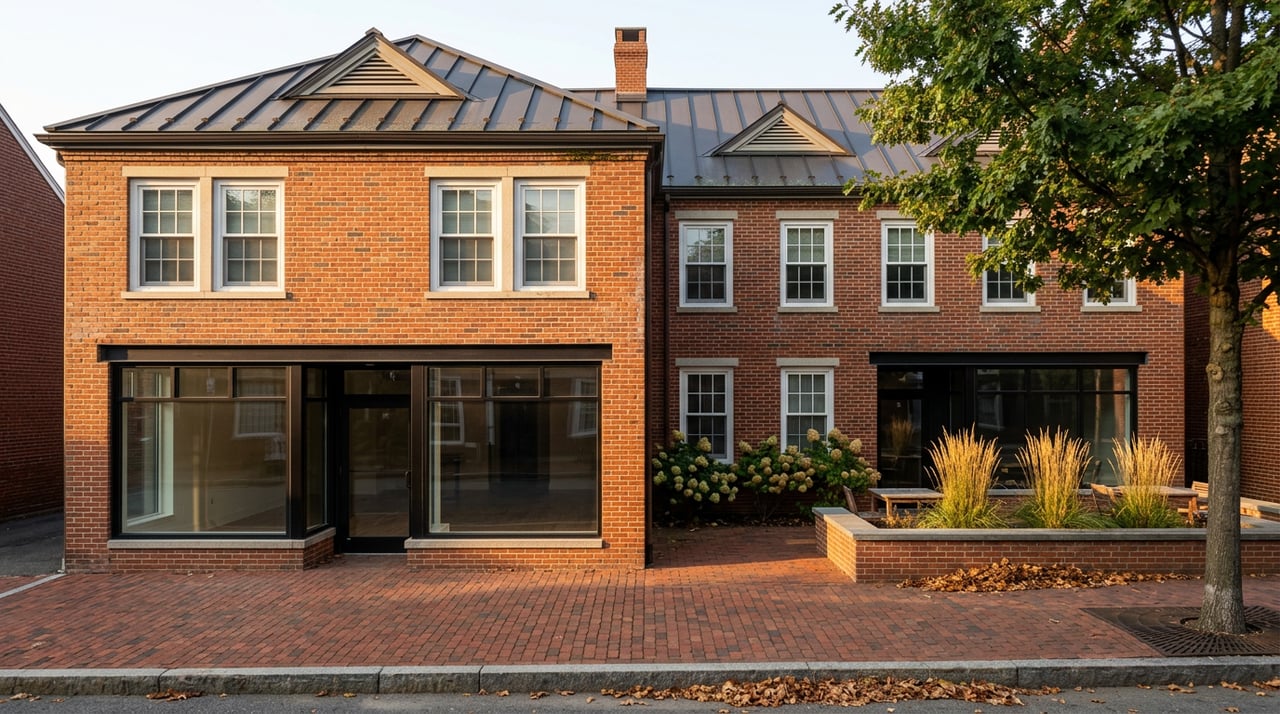
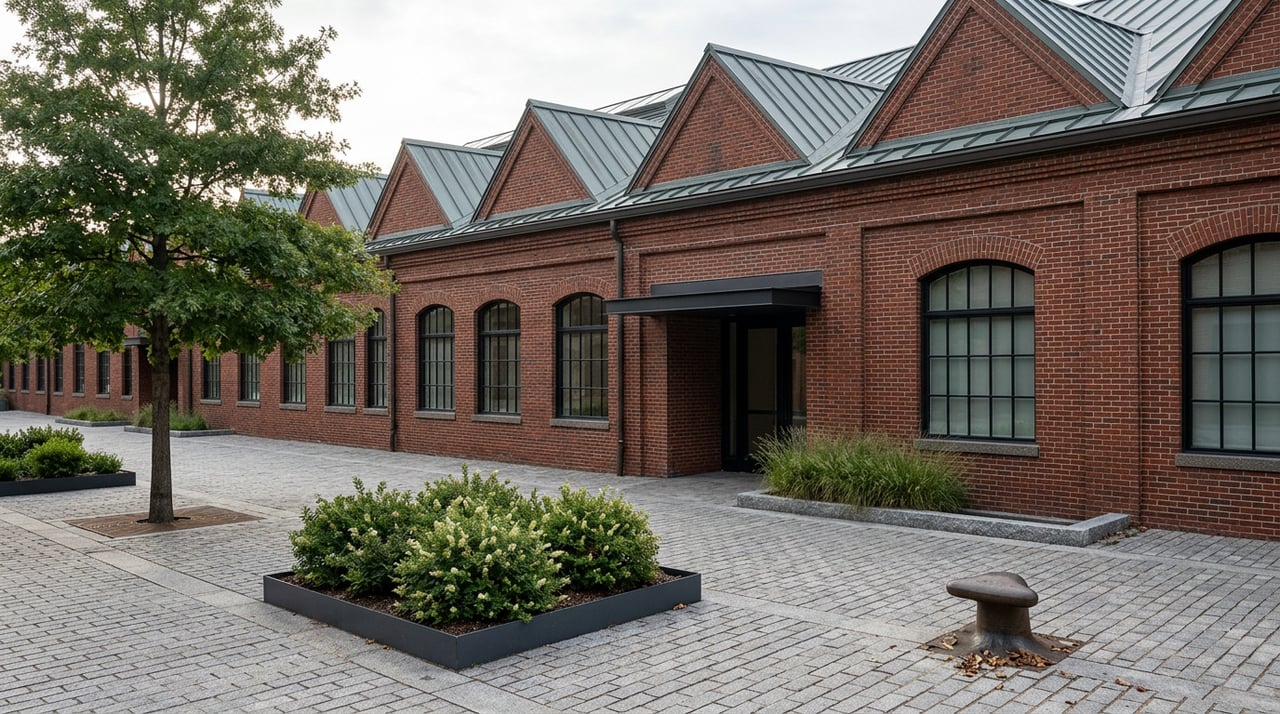
You will see a wide range of homes: restored brownstone condos, classic triple‑deckers, newer construction condominiums, and adaptive‑reuse lofts in former industrial buildings. Many properties fall inside a local historic district, so exterior changes often need review. To understand what that process looks like, review the Boston Landmarks Commission guidance.
If you are comparing condos and lofts, check each building’s HOA rules, budgets, and reserves. Ask about special assessments, rental policies, and any past condo conversions that affect long‑term value and financing.
Getting around and commuting
The South End is highly walkable. Dining, cafes, markets, gyms, and services are close by. For transit, the MBTA provides access to bus routes and nearby Orange and Green Line stations. Use the MBTA trip planner to estimate your commute during peak times.
Parking can be limited. Many homes do not include a deeded space, so plan for resident parking permits or paid garages. Check current permit rules on the city’s resident parking program.
Parks and culture highlights
Neighborhood squares and green spaces give you a calm counterpart to busy dining streets. For park maps and programming, visit Boston Parks & Recreation. On weekends, SoWa’s galleries and seasonal market draw locals and visitors. Explore current events and open studios via SoWa Boston.
Daily living and nearby institutions
Proximity to major hospitals and the Back Bay retail core puts daily needs close by. Many residents work in nearby medical, education, or tech hubs and choose the South End for its location. The mix of quiet squares and active restaurant blocks lets you pick the feel that suits you best.
Schools and family resources
Boston Public Schools serve the neighborhood. Because assignments and school choice can change, review the latest policies, timelines, and maps directly with Boston Public Schools. Families also consider private and parochial options across the city.
Buying in the South End: checklist
Use this quick plan to shop with confidence:
- Define your target home type: brownstone condo, loft, or newer building. Note maintenance, HOA rules, and storage.
- Review historic district impacts: exterior changes may require approval. See the Landmarks Commission for scope and timelines.
- Confirm building systems: older structures can have aging masonry, roofing, windows, or mechanicals. Schedule thorough inspections.
- Understand parking: check for deeded spaces, garage options, or street permits through the city’s resident parking program.
- Budget for HOA items: read budgets, reserves, meeting minutes, and any planned assessments.
- Plan your financing: unique or historic properties may need careful appraisal review. Ask about condo warrantability.
Selling in the South End: strategy
Strong presentation and clear documentation drive interest and offers:
- Focus on curb appeal: fresh paint, clean ironwork, and well‑kept steps matter for brownstones. Stay consistent with historic guidelines.
- Stage for lifestyle: highlight natural light, ceiling height, and original details. Include photos of nearby parks and cafes.
- Organize your condo packet: budgets, reserve studies, meeting minutes, and permits. Buyers will ask early.
- Price with precision: align with recent comps for similar finishes and locations. Adjust for parking, outdoor space, and building amenities.
- Leverage support: FlyBuyBoston coordinates pre‑listing upgrades and staging. We can also activate Compass Concierge and Private Exclusives when appropriate.
Renovations, permits, and value
Historic district review protects neighborhood character, which can support long‑term value. It also adds steps to exterior projects, so plan your timeline accordingly. Start with the Boston Landmarks Commission to understand which work needs review.
Property taxes are set by the city. For parcel‑specific assessments and past tax history, use the City of Boston’s assessing search.
Market trends: how to stay informed
Prices and inventory shift month to month. To track sale prices, days on market, and absorption, combine live MLS data with recent neighborhood comps. For a tailored snapshot and strategy, request a custom update from a local expert who works these blocks every week.
If you have questions about safety and community trends, review city resources and neighborhood data from the Boston Police Department. Look at multi‑year patterns rather than a single month to get context.
Micro areas to explore
- SoWa: galleries, creative studios, and seasonal markets. See SoWa Boston for current events.
- Ink Block and Harrison Avenue: newer mixed‑use buildings, grocery options, and restaurants.
- Eastern edges near Back Bay and Prudential: quick access to Copley, retail, and transit.
Each area has a distinct feel. Walk your target blocks at different times of day and week, then match your search to the experience you prefer.
Noise, nightlife, and livability
Dining and nightlife add energy and convenience. They can also bring evening crowds and street activity. Visit at morning rush, midday, and late evening to gauge noise, traffic, and delivery schedules on your block. Ask about trash pickup times and any building rules for courtyard or roof use.
Plan your next move
Whether you are choosing between a brownstone duplex and a SoWa loft, or preparing a condo to hit the market, you deserve calm, accountable guidance. FlyBuyBoston pairs boutique, senior‑led service with renovation fluency and Compass marketing tools to protect your time and your result. Ready to plan your move with a clear timeline and a confident strategy? Connect with Joe Castro to get started.
FAQs
What is the South End known for?
- Historic Victorian brownstones, a strong arts and dining scene, and preserved streetscapes highlighted on the City’s South End neighborhood page.
How transit friendly is the South End?
- It is very walkable with nearby MBTA access to buses and rail; plan trips and commute times with the MBTA trip planner.
How do historic rules affect renovations?
- Many exterior changes need review; check scopes, timelines, and design standards with the Boston Landmarks Commission.
Where can I see park options and events?
- Explore maps and programs through Boston Parks & Recreation, then visit your target parks at different times of day.
How does school assignment work in the South End?
- Boston Public Schools uses choice and assignment policies that can change; review current details with Boston Public Schools.
What should I know about parking?
- Many homes do not have deeded spaces; review resident permits and rules on the city’s parking program.
How can I check taxes or assessed values for a property?
- Use parcel lookups and history through the City of Boston’s assessing search.
Where can I review neighborhood safety information?
- Look at multi‑year incident trends and community resources from the Boston Police Department.