Torn between the charm of a South End brownstone and the ease of a modern condo? You are not alone. With median prices around $1.3 million and a premium price per square foot, your choice of building type has real consequences for layout, upkeep, monthly costs, and resale. In this guide, you will learn exactly what to expect from each option so you can match your lifestyle and budget to the right home. Let’s dive in.
South End at a glance
The South End blends historic streetscapes with a highly walkable, amenity-rich lifestyle. You have dining, galleries, SoWa market, and parks within minutes, plus the nation’s largest Victorian residential district anchoring its look and feel. That combination drives steady demand for both preserved rowhouses and contemporary condo buildings. Buyer expectations for finish level, systems, and convenience are high in this neighborhood.
For area context and planning details, review the city’s snapshot of the neighborhood in the South End overview from the Boston Planning & Development Agency.
What you get with historic rowhouse condos
Layout and character
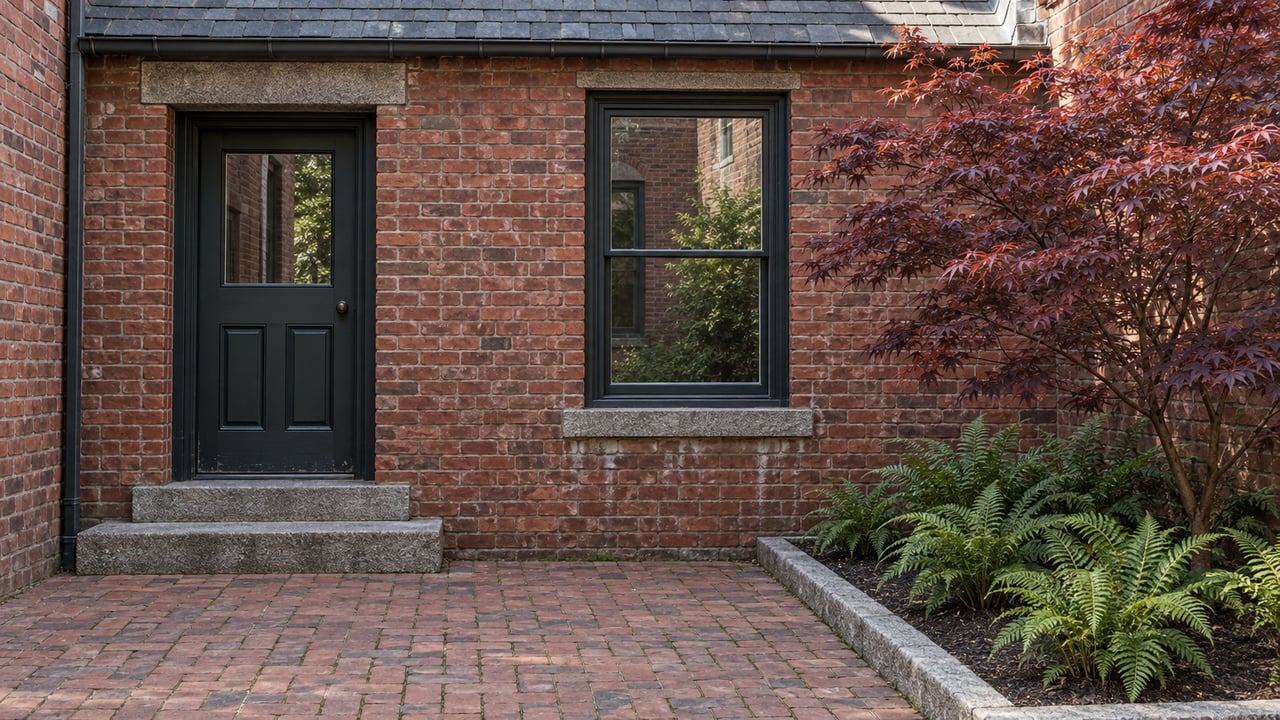
Historic South End rowhouses were built in the 19th century and many have been converted into condominiums. You will often find multi-level layouts with tall ceilings, period millwork, plaster details, and formal parlors. Floor plates can be narrower, so rooms feel defined rather than fully open plan. Many units include stoops or small rear outdoor spaces that add to the single-family feel.
Systems and upkeep
Older buildings can include individual boilers, hydronic heat, and retrofit cooling. You may encounter older piping or shared systems that affect monthly costs and owner responsibilities. Exterior envelopes require periodic attention, especially masonry. The National Park Service’s guidance on repointing explains why correct mortar and technique matter for long-term durability.
Rules and renovations
Much of the South End sits in a Landmark District. Exterior changes visible from a public way, including windows, stoops, rooftop additions, or mechanicals, typically require approval from the South End Landmark District Commission. Before planning visible upgrades, read the city’s overview for the South End Landmark District to understand timelines, materials, and review steps.
What you get with new construction condos
Layout, amenities, and services
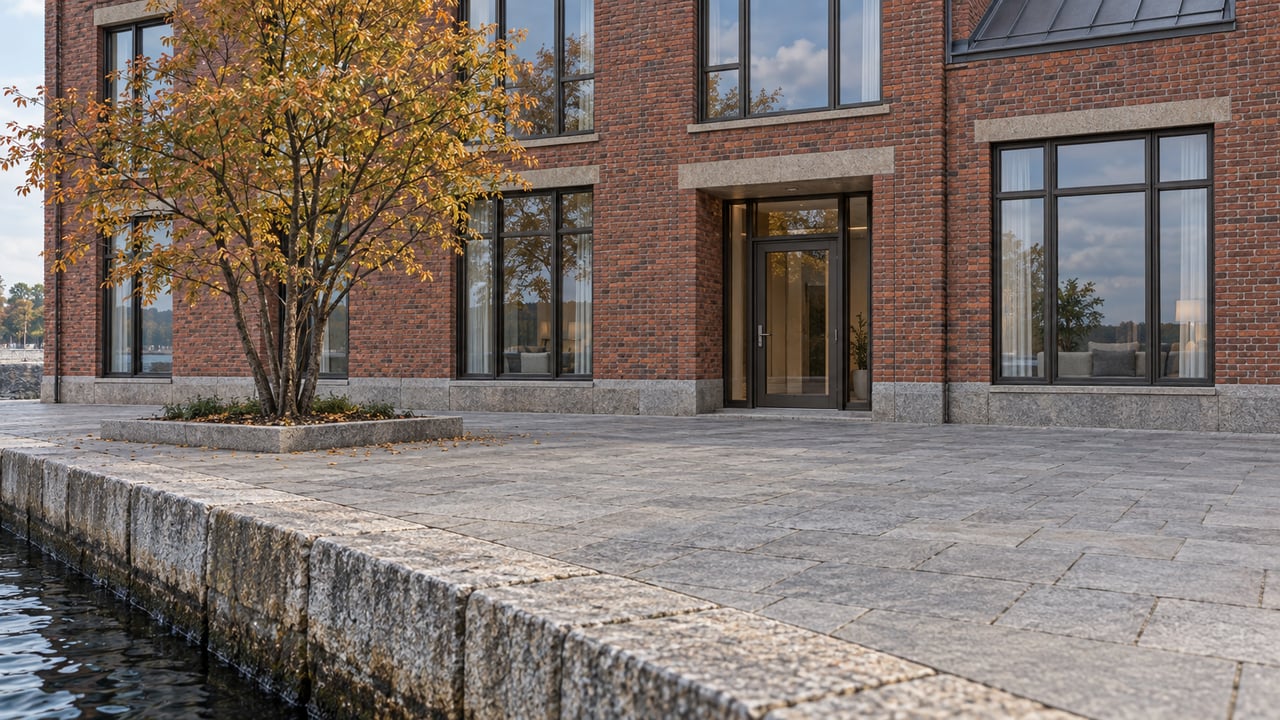
Newer South End condos range from boutique mid-rises to larger full-service buildings. Expect elevators, bike storage, shared roof decks, gyms, and sometimes a concierge. Floor plans are usually open concept with integrated HVAC, modern energy compliance, and contemporary kitchens and baths. The tradeoff is higher monthly dues that cover staff, amenities, and comprehensive building operations.
Finishes and warranties
Most new builds deliver modern finishes and newer mechanicals that reduce near-term maintenance risk. Many developers offer industry-standard warranty structures often described as 1 year for workmanship, 2 years for systems, and 10 years for structural coverage. You can learn the basics of these builder warranties from a national warranty resource.
Adaptive‑reuse and SoWa lofts
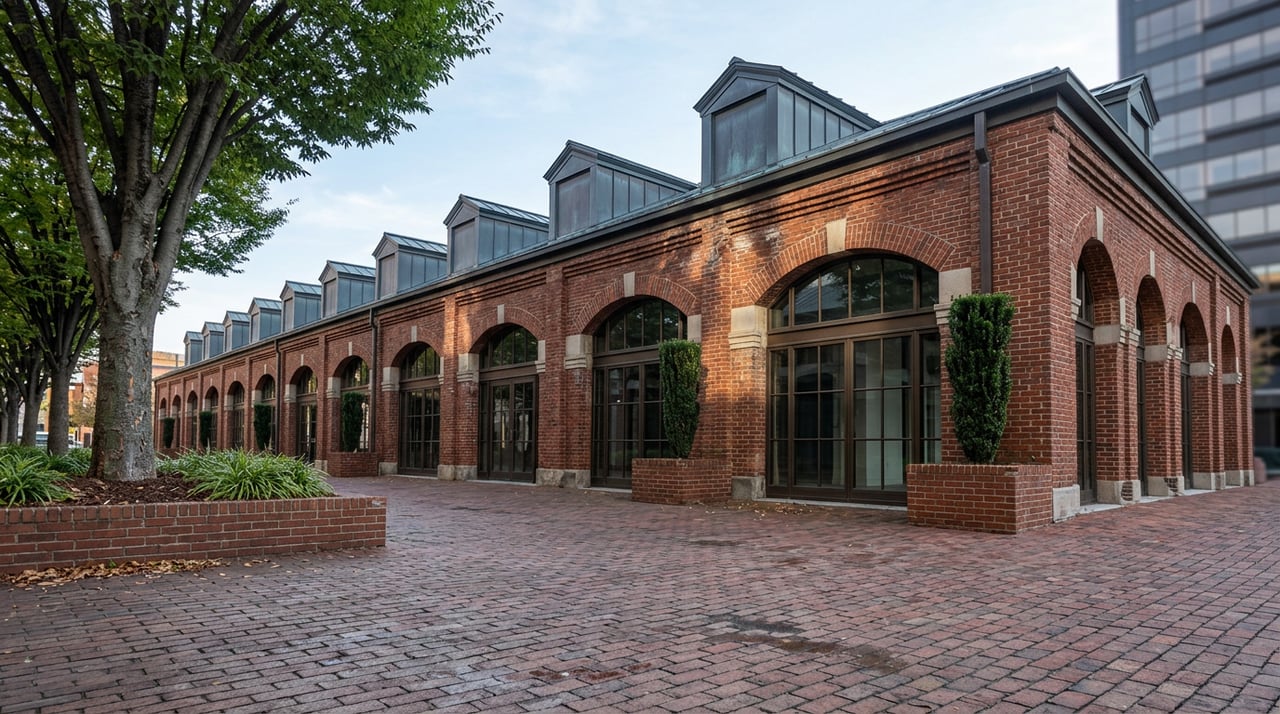
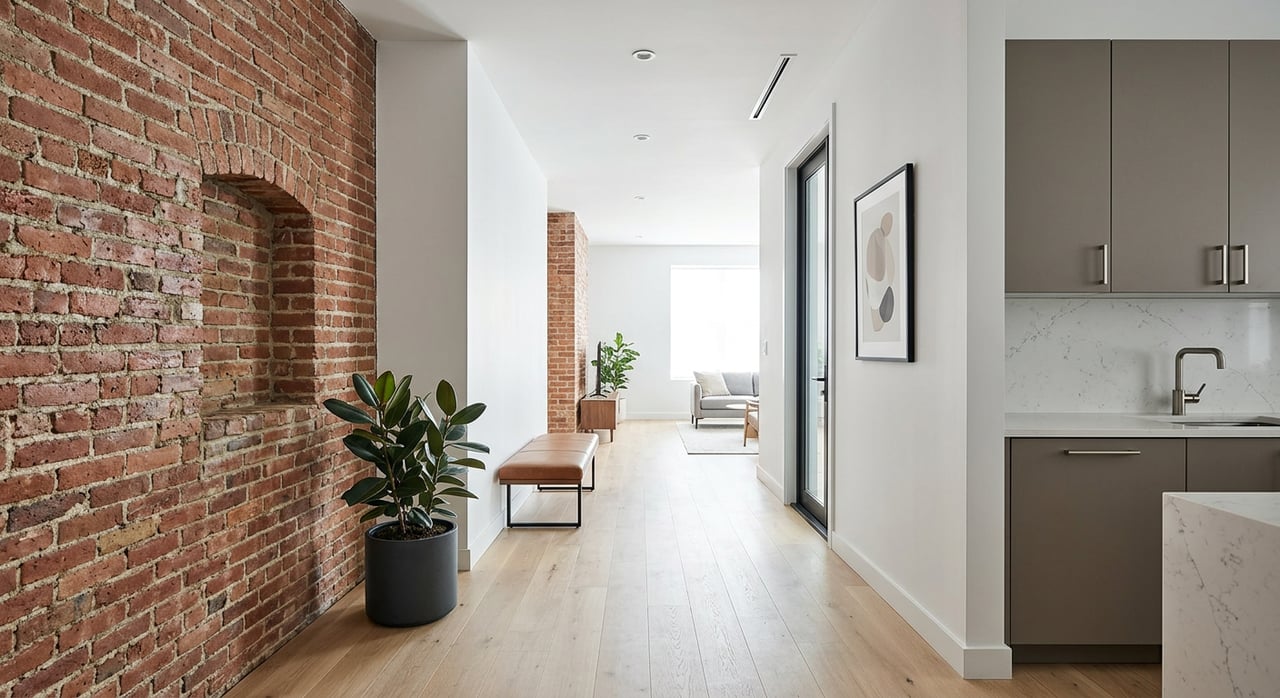
SoWa and nearby blocks include warehouse and commercial conversions that deliver open plans, large windows, and exposed brick or timber. These homes combine historic fabric with modern systems, but their unique structures and envelopes can require specialty contractors for certain repairs. If you prize large, flexible living spaces and an industrial aesthetic, adaptive reuse can be a strong middle ground between brownstone character and new-construction convenience.
Associations, dues, and your day‑to‑day
Association size and management style shape your owner experience. Smaller brownstone conversions, often 2 to 6 units, may be owner-run with comparatively low monthly fees. That can also mean thinner reserves and a higher chance of special assessments when the roof, façade, or main systems need work.
Larger or newer buildings typically use professional management and carry larger operating budgets. Monthly fees are higher, but everyday maintenance and capital planning are more predictable. In all cases, confirm exactly what your dues include. Look for details like heat, hot water, master insurance, reserve contributions, staff, utilities, and parking.
For baseline rules that govern Massachusetts condominiums, review Chapter 183A. It sets the legal framework for master deeds, governance, common expenses, and certain owner rights.
Financing and resale implications
Warrantable status and conventional lending
Condominium projects must meet eligibility standards for conventional financing. Lenders review the project against Fannie Mae and Freddie Mac criteria. If a building is considered warrantable, buyers typically have broader access to conforming and jumbo products. If not, options may narrow to portfolio or non-agency loans, which can affect both your purchase and future resale. You can see how lenders think about project standards in Fannie Mae’s Selling Guide overview.
FHA and VA approvals
FHA maintains its own condominium approval process along with a single-unit approval pathway in some cases. Buildings with high investor concentration, weak reserves, or active litigation may not qualify. If you plan to use FHA or VA financing, check current guidance and the HUD database for project status.
Resale and buyer pools
Historic units often attract buyers who prioritize period detail and townhouse-like living, even if that means more hands-on upkeep. Newer buildings tend to appeal to buyers seeking turnkey living, amenities, and newer systems. Warrantability, reserves, and any known special assessments all influence your buyer pool and days on market. Confirm project eligibility and financial health early to protect your resale outlook.
Maintenance reality check: historic vs new
Historic cost drivers
- Masonry and façades. Historic brick and brownstone require correct repointing and periodic stone repair. The NPS repointing brief outlines best practices and why improper mortar can damage old brick.
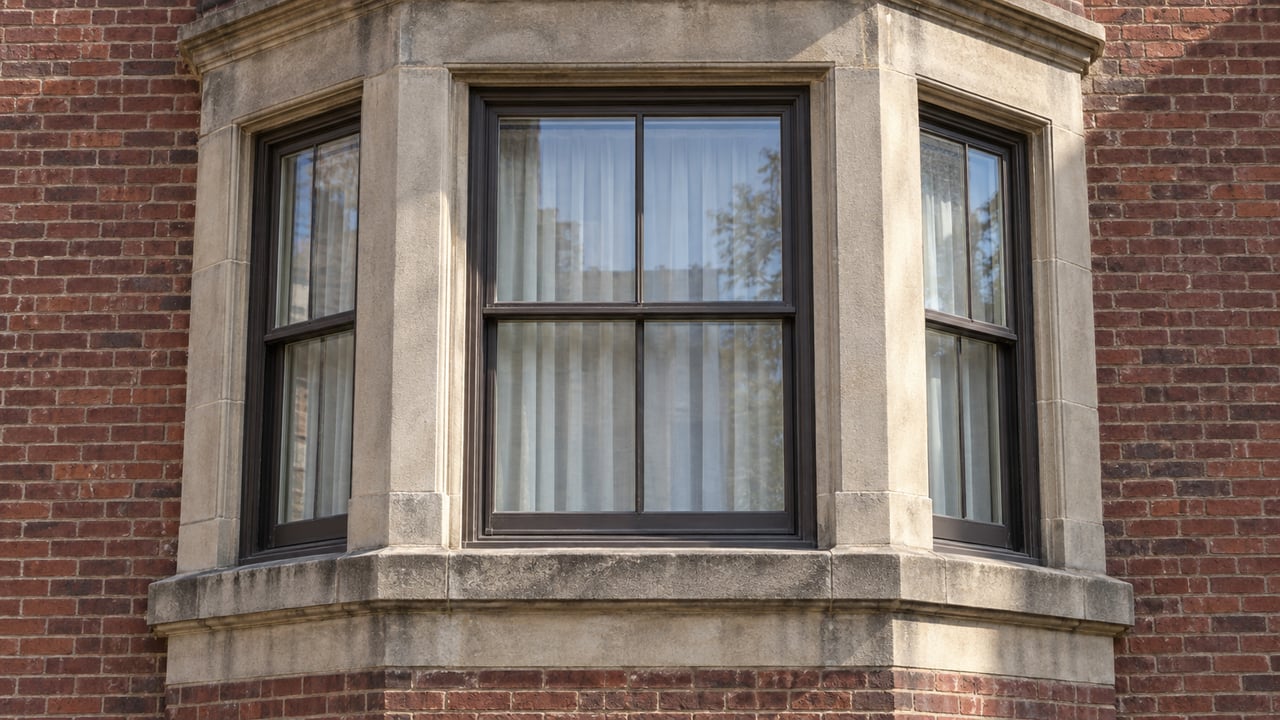
- Windows and exterior woodwork. Original sash windows are often repairable and energy upgrades may be done compatibly. Read the NPS window guidance for preservation-focused approaches.
- Lead paint and pre-1978 conditions. Many South End buildings predate 1978. Renovations that disturb paint carry additional rules and contractor qualifications. Expect added time and cost for safe, compliant work.
- Hidden systems. Older drain lines, galvanized supply piping, and legacy electrical can surprise buyers on inspection. Hire inspectors and contractors who understand historic fabric.
New construction cost profile
Newer buildings tend to reduce surprise repairs in the first years and often budget for major items like roofs, elevators, and building systems through reserve planning. Amenity-rich operations are not cheap, so monthly dues typically reflect staffing, utilities, and ongoing service contracts. Even with new construction, review reserve studies and long-term maintenance plans to understand timing and scope of future projects.
Quick decision guide
- Choose newer construction if you want low-maintenance, lock-and-leave living with amenities and predictable operations. Expect higher monthly dues in exchange for convenience and recent systems.
- Choose a historic brownstone if you value architectural detail, unique layouts, and townhouse character. Budget time and funds for periodic exterior work and plan for Landmark review on visible changes.
- If financing flexibility is essential, have your lender vet project warrantability and, if relevant, FHA or VA status before you commit. Non-warrantable projects shrink the financing pool.
- If EV charging matters, Massachusetts law provides a pathway for owners to install charging equipment subject to reasonable association procedures and restrictions under Chapter 183A Section 10A. Plan early for routing, power capacity, and any Landmark considerations if exterior elements are visible.
Your due‑diligence checklist
Use this list during your offer and pre-closing review:
- Request the full condo packet. Ask for the master deed, bylaws, rules and regulations, current budget, last 2 to 3 years of financials, the most recent reserve study and contribution schedule, meeting minutes for the last 12 to 24 months, and the insurance certificate. Chapter 183A defines the framework for how these associations operate.
- Confirm project eligibility. Ask your lender whether the building is warrantable and what project review they require. Review the types of questions lenders ask in Fannie Mae’s Selling Guide to anticipate documentation needs.
- Check FHA or VA status if needed. If you plan to use these products, verify project approval or single-unit approval eligibility based on current HUD guidance.
- Review master insurance. Confirm policy limits, deductibles, and whether the policy is full replacement cost. Clarify what you must insure under your HO-6 policy.
- Inspect the building and systems. Order a standard home inspection, plus specialty reviews for roof and façade, and a focused look at plumbing and electrical in older buildings. For pre-1978 homes, anticipate lead-safe protocols for any future work.
- Confirm Landmarks and permits history. If you plan exterior changes, ask for a record of South End Landmark Commission filings and decisions, and check city records for permits. Read the city’s Landmark District overview to understand review timelines.
- Verify builder warranties for new construction. Ask for warranty terms in writing, including whether structural coverage is backed by a third party and whether the coverage is transferable.
The bottom line
In the South End, the best condo for you is the one that fits your daily rhythm and your tolerance for maintenance. If you want amenities and predictability, newer construction delivers that at a higher monthly cost. If you want period detail and a townhouse vibe, a brownstone can be incredibly satisfying, provided you plan for exterior stewardship and the Landmarks process. The right agent will help you weigh dues, reserves, warranties, and financing eligibility against your must-haves so you can move forward with confidence.
If you are ready to compare specific buildings, review budgets, and stress test financing options, connect with Joe Castro for calm, expert guidance from offer to close.
FAQs
What is a typical South End brownstone condo like?
- Expect multi-level layouts, tall ceilings, and period details with a mix of restored finishes and updated kitchens or baths. Exterior changes often require Landmark Commission review.
How do HOA dues differ between historic and new South End condos?
- Small, owner-run brownstones can have lower dues but thinner reserves and a higher chance of special assessments. Larger, amenity buildings have higher dues that cover staff, shared facilities, and professional management.
How does the South End Landmark District affect renovations?
- Visible exterior changes, including windows and rooftop elements, usually need approval from the South End Landmark District Commission. Read the city’s Landmark District overview for process and timelines.
What does “warrantable” mean for a South End condo purchase?
- It means the condo project meets Fannie Mae or Freddie Mac eligibility standards, which broadens conventional loan options and can support easier resale. See Fannie Mae’s Selling Guide for how lenders assess projects.
Can I install an EV charger in a South End condo building?
- Chapter 183A Section 10A gives owners a path to install EV charging equipment subject to reasonable association rules and processes. Check capacity, routing, and any Landmark visibility issues early.
What inspections should I order for a historic South End condo?
- In addition to a standard home inspection, consider a façade and roof review, focused plumbing and electrical checks, and planning for lead-safe work protocols in pre-1978 buildings.