Thinking about selling in Back Bay but not sure which upgrades will actually move the needle? You are not alone. Buyers love the area’s historic detail and expect modern comfort at the same time, so choosing the right pre-listing projects matters. In this guide, you will learn which improvements get the most attention, what they typically cost, what approvals to plan for, and how to time it all for a smooth market launch. Let’s dive in.
What Back Bay buyers expect
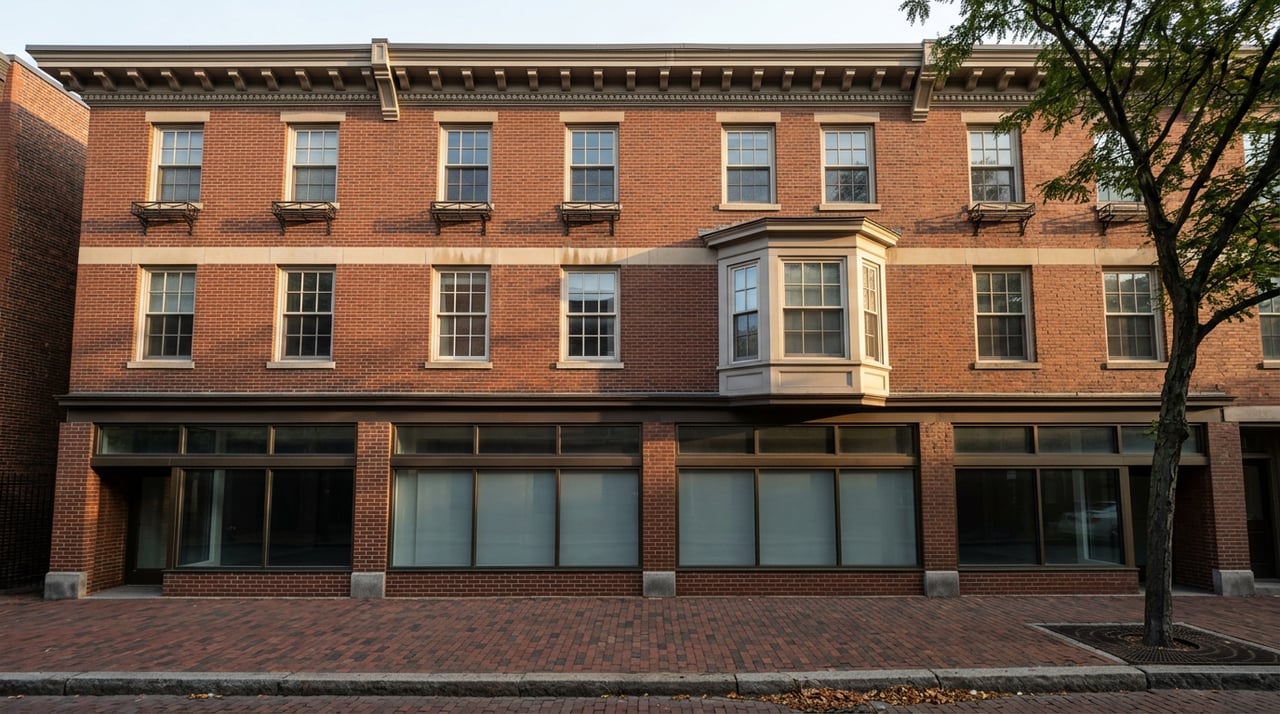
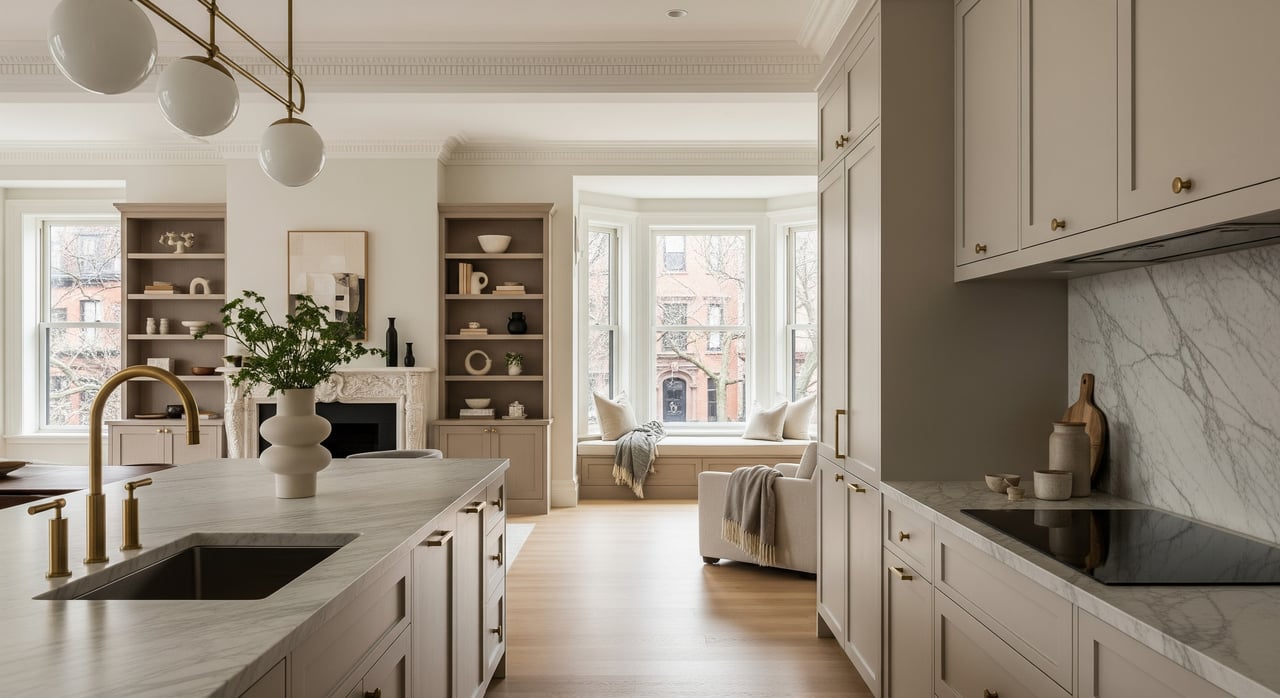
Back Bay homes blend 19th-century architecture with modern life. Think original woodwork, bay windows, high ceilings, and decorative plaster paired with updated kitchens, refreshed baths, efficient mechanicals, and in-unit laundry. Buyers include busy professionals, downsizers, and households who value walkability to Copley Square, Newbury Street, and transit hubs.
For you, this means prioritizing upgrades that brighten and streamline daily living without erasing character. Clean lines, quality finishes, and strong natural light help listings stand out across price tiers.
High-impact upgrades to prioritize
The projects below are ranked for impact in Back Bay. For each, you will see a simple scope, ballpark cost, who benefits most, and why it matters. Always obtain local quotes and confirm building rules before you begin.
Fresh interior paint and trim
- Scope: Neutral, high-quality paint on walls, baseboards, and trim; touch up ceilings.
- Cost: About $2,000 to $15,000 depending on size and finishes.
- Who: All sellers.
- Impact: High. Fresh paint delivers immediate visual appeal and better photos.
Refinish hardwood or replace carpeting
- Scope: Sand and refinish original hardwood where present; replace worn carpet with neutral flooring where needed.
- Cost: Refinish hardwood roughly $3 to $8 per sq ft. New engineered hardwood or premium laminate costs more by material.
- Who: Brownstone owners often benefit most from restored original floors; condos with dated carpet should refresh.
- Impact: High. Buyers value continuous, light-reflective surfaces and original wood.
Kitchen updates: tiered plans
Minor refresh
- Scope: New hardware, lighting, paint, cabinet refinishing, updated backsplash and countertops.
- Cost: About $3,000 to $20,000.
- Impact: High. Cost-effective and widely appealing.
Cabinet refacing or semi-custom updates
- Scope: Replace door fronts, add new counters and appliances.
- Cost: About $15,000 to $50,000.
- Impact: Medium to high. Strong appeal without the cost of a full gut.
Full upscale remodel
- Scope: Layout rework, high-end finishes, all-new systems.
- Cost: $50,000 to $200,000+.
- Impact: Medium. Consider only when comps clearly demand it.
Bathroom updates
- Scope: Replace fixtures, regrout or retile, add a new vanity and lighting, update hardware. Full remodel only if severely dated or to meet a higher price band.
- Cost: Refresh about $3,000 to $15,000; full remodel $20,000 to $60,000+.
- Who: All sellers; in smaller units, a crisp bathroom is essential.
- Impact: High for refresh; major remodels are situational.
Lighting and electrical updates
- Scope: Add or replace fixtures to increase brightness; confirm outlets and wiring are safe and code-compliant.
- Cost: About $500 to $8,000 depending on scope.
- Impact: High. Better lighting improves photos, showings, and daily function.
Window repair and restoration
- Scope: Repair original sash, reglaze, and weatherstrip; consider storm windows or discreet replacement where allowed.
- Cost: Often $500 to $2,000+ per window for restoration. Replacement is higher.
- Who: Brownstone owners, especially in the historic district.
- Impact: Medium to high. Comfort and energy performance improve without losing character.
Mechanical, safety, and efficiency
- Scope: Service or replace HVAC or boiler, upgrade hot water heater, confirm electrical panel capacity, and ensure smoke and carbon monoxide detectors are up to code. Fix known plumbing issues.
- Cost: Service and minor repairs $200 to $5,000; HVAC or boiler replacement $5,000 to $20,000+.
- Impact: High. Clean inspection reports reduce renegotiation risk and speed closing.
In-unit laundry
- Scope: Install a washer and dryer stack where allowed, or update hookups and venting.
- Cost: About $2,000 to $10,000+ depending on modifications.
- Who: Condos and co-ops often benefit most.
- Impact: High in Back Bay. In-unit laundry is a top request.
Curb appeal and exterior details
- Scope: Clean the facade, repair masonry or tuckpointing, repaint the front door and ironwork, and add tasteful planters and stoop lighting.
- Cost: Touchups often $500 to $5,000; larger masonry work costs more.
- Who: Brownstone and rowhouse owners.
- Impact: High. Exteriors set first impressions for photos and walkbys.
Staging and professional photos
- Scope: Professional staging for key rooms, decluttering, and high-quality photography and virtual tours.
- Cost: Staging roughly $500 to $5,000+; photography $200 to $1,000+.
- Impact: Very high. Staging tends to shorten time on market and support stronger pricing, especially at luxury levels.
Minor layout and storage improvements
- Scope: Improve sightlines with non-structural adjustments where feasible, add built-ins or closet organizers.
- Cost: About $1,000 to $10,000.
- Impact: Medium. Makes compact layouts feel more usable and organized.
Approvals, rules, and what to check
Historic district oversight
Much of Back Bay falls within the Back Bay Historic District. Exterior changes such as windows, masonry, ironwork, and stoops can require review and a Certificate of Appropriateness. Interior work that does not affect exterior appearance usually does not require commission review, but you should confirm the rules for your specific property before starting.
City permits and licensed work
Building, mechanical, electrical, plumbing, and structural work generally require permits through the City of Boston Inspectional Services Department. Licensed contractors must pull permits for most trades. In multi-unit buildings, certain work can involve building-wide systems and coordination with property management.
Condo and co-op approvals
Association bylaws often govern unit renovations. Structural changes, plumbing or electrical alterations, and any facade access typically need board approval and specific contractor insurance. Some buildings restrict in-unit laundry or dryer venting. Review house rules before you bid work.
Lead paint and required disclosures
Homes built before 1978 require federal lead paint disclosures. Massachusetts has additional requirements. Plan to provide required notices and consider remediation where appropriate.
Energy incentives and inspections
MassSave offers assessments and incentives for insulation and heating improvements that can offset costs of energy-related upgrades. A pre-listing home inspection can help you detect issues that might derail a sale, such as roof, structural, mechanical, or moisture concerns. For condos, request building inspection and maintenance records as part of your prep.
Flood risk and insurance
Parts of Back Bay are low-lying and may appear in FEMA flood maps. Know whether your property lies in a flood zone and whether flood insurance is required or currently held. Buyers are increasingly aware of flood risk and potential insurance impacts.
Timing and ROI thinking
Quick, visible wins
Cosmetic updates and staging usually deliver the fastest return on time and budget. Fresh paint, lighting upgrades, clean floors, and targeted kitchen or bath refreshes often do more to lift your photos and showings than a long, expensive remodel.
Build a realistic schedule
- Small cosmetic work and staging: 1 to 3 weeks.
- Medium projects like a kitchen refresh, bath updates, and mechanical servicing: 3 to 8+ weeks depending on permits and contractor availability.
- Major work such as structural changes or exterior restoration that requires historic review: expect months, including commission and approval timelines.
When to go bigger
Not every project pays back dollar for dollar at resale. In Back Bay, the goal is to maximize net proceeds and minimize days on market. Consider major upgrades only if current comps show you need a different level of finish to hit your target price, or if serious functional issues would trigger buyer discounts during negotiations.
Marketing tie-ins that matter
Highlight preserved period details alongside the right modern updates. Call out proximity to neighborhood assets such as Copley Square, Newbury Street, and transit. Use professional photography and 3D tours to emphasize natural light, scale, and layout. Luxury listings benefit from elevated presentation like twilight facade photos, custom brochures, and targeted outreach.
Pre-listing checklist
- Consult a local listing agent for comps and a right-sized scope.
- Order a pre-listing inspection, or compile building records for condos.
- Address safety and mechanical issues such as smoke and carbon monoxide detectors, leaks, and electrical hazards.
- Refresh interiors with neutral paint, trim touchups, and updated hardware.
- Refinish hardwood or deep clean floors; replace old carpeting.
- Refresh the kitchen with hardware, counters, lighting, and paint. Avoid a full gut unless the market requires it.
- Deep clean the bathroom, regrout tile, replace dated fixtures and lighting.
- Improve lighting and window treatments to maximize natural light.
- Confirm which work requires historic or building permits and secure condo or co-op approvals.
- Stage key rooms and book professional photography. Prepare listing materials that highlight neighborhood benefits and your upgrades.
- Organize maintenance and permit records, warranties, and receipts for buyer review.
How we help you execute
Back Bay prep often involves fine judgment and tight timing. With renovation fluency and calm project management, our team coordinates the right scope, the right vendors, and the right sequence so you are market-ready without guesswork. We manage staging and photography, advise on permit and historic needs, and align your upgrades with current comps.
If you want a streamlined experience, we offer concierge-level coordination, including access to Compass programs such as Compass Concierge and Private Exclusives. The result is a polished presentation that respects your property’s character and meets buyer expectations.
Ready to map the upgrades that will help your Back Bay home sell faster and for more? Schedule a consultation with Joe Castro to plan your pre-listing strategy.
FAQs
Which upgrades offer the best value in Back Bay?
- Fresh paint, lighting improvements, floor refinishing, targeted kitchen and bath refreshes, and professional staging typically deliver the strongest near-term impact.
Do I need approval to change windows in the Back Bay Historic District?
- Exterior window changes often require review and a Certificate of Appropriateness, while interior-only work usually does not; confirm requirements for your specific property.
Can I add in-unit laundry to a Back Bay condo?
- Many buildings allow it with board approval, proper venting, and permits, but some restrict laundry entirely; check your bylaws and house rules before planning.
How long do common pre-listing projects take?
- Cosmetic work and staging usually take 1 to 3 weeks, medium updates 3 to 8+ weeks, and major projects with approvals can take several months.
Should I do a full kitchen remodel before selling?
- Only if comps clearly show you need a higher finish level to reach your target price; otherwise, a well-executed refresh is often the smarter move.
What permits are required for electrical or plumbing work?
- Electrical, plumbing, mechanical, and structural work generally require permits through the City of Boston Inspectional Services Department and must be performed by licensed contractors.
How does flood risk affect my sale in Back Bay?
- If your home lies in a FEMA flood zone, buyers and lenders may require flood insurance; knowing your status and policy details helps set clear expectations.