Thinking about selling your South End condo? If your home sits in a two-unit, three-unit, or otherwise small association, buyers will likely look beyond your unit finishes and ask hard questions about the building itself. That can feel stressful, especially in the South End, where historic rules and shared maintenance often matter just as much as staging. The good news is that strong prep can make your sale feel cleaner, more credible, and easier to navigate. Let’s dive in.
Why small associations get closer scrutiny
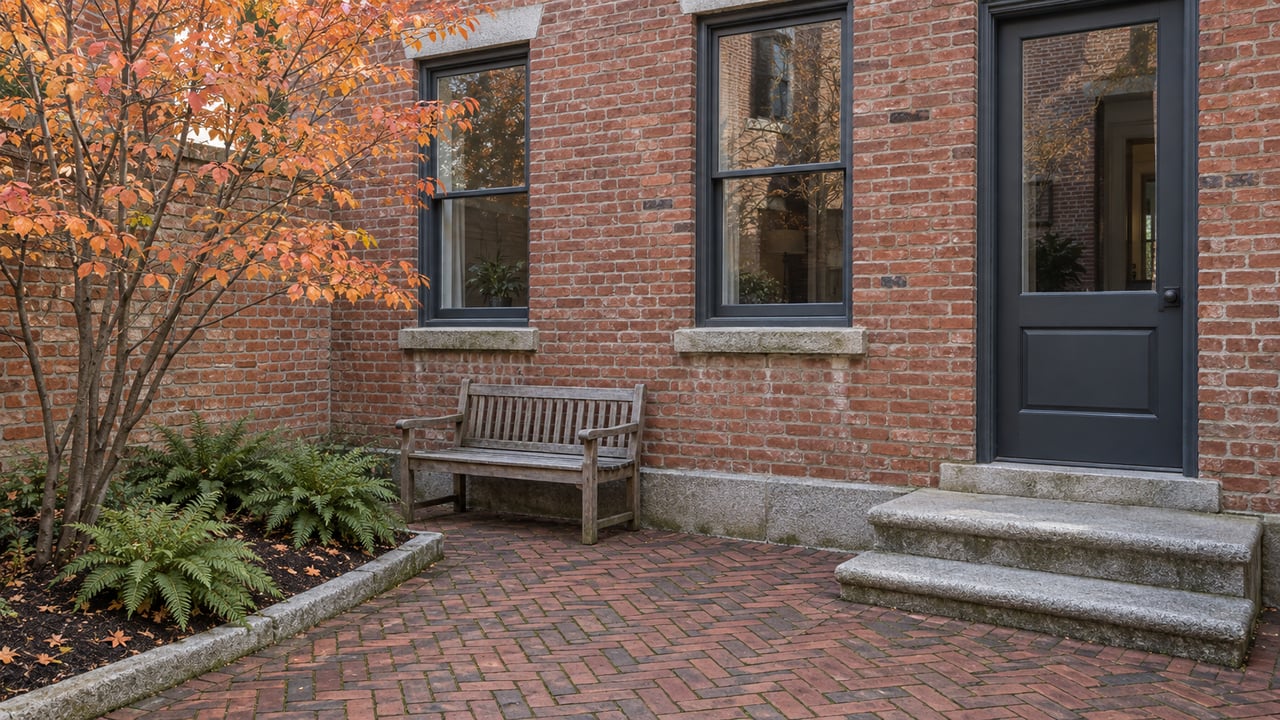
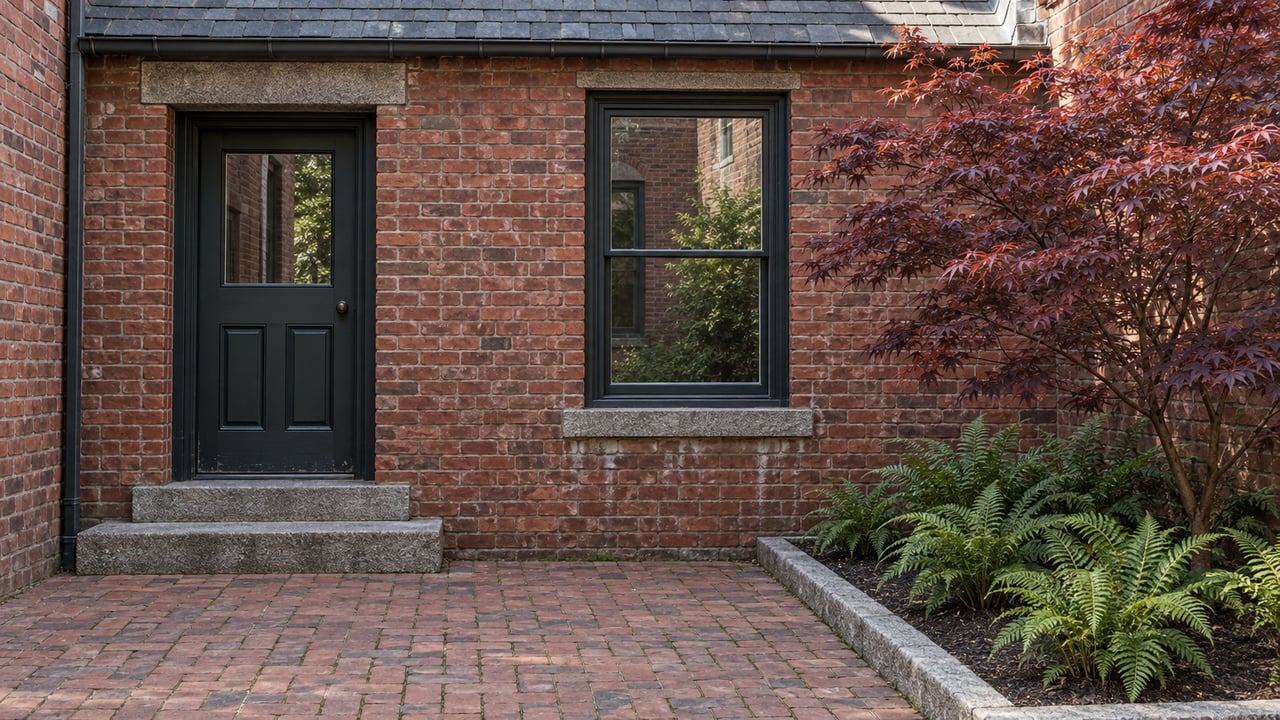
In the South End, many condos are located in brownstones or converted rowhouses within the South End Landmark District. Boston describes the district as a historic area shaped by 19th-century Victorian red-brick rowhouses, parks, and main thoroughfares. That context matters because buyers often evaluate not only your unit, but also the condition and management of the shared building.
In a small association, there are fewer owners to spread costs, fewer layers of formal management, and sometimes less polished recordkeeping. Buyers know this. As a result, they often focus early on the roof, windows, exterior masonry, common-area upkeep, reserves, and how decisions get made.
South End landmark rules matter
If your building is in the South End Landmark District, certain exterior work may need review and approval before it begins. Boston requires a Design Approval Application for exterior work visible from a public way if it affects front facades, rooftops visible from a public way, or side and rear elevations that directly face a public way.
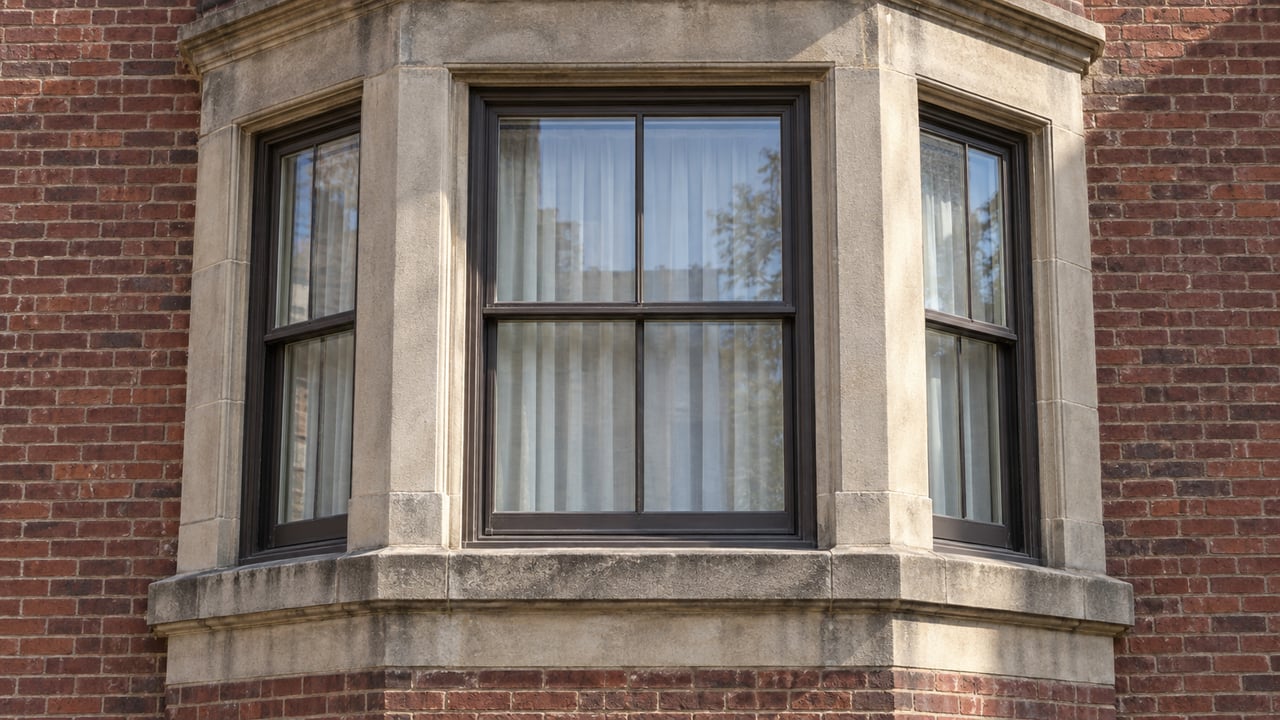
That means even simple pre-listing plans can create delays if they touch the exterior. Window work, facade touch-ups, roof repairs, and some painting plans may need to be reviewed first. Boston also states that applications must be complete 15 business days before the hearing date, and materials should not be purchased before approval is granted.
What this means before listing
If you are planning any building-related improvements before going live, timing matters. A last-minute exterior project can easily slow down your launch or create questions during buyer due diligence.
The cleanest approach is to identify any planned exterior work early, confirm whether review is needed, and gather proof of prior approvals if past work was completed. In a historic South End building, that paper trail can be just as important as the work itself.
Documents buyers want to see
When you sell a condo in a small association, buyers usually want the building story in writing. In Massachusetts, the master deed and bylaws form the foundation of how the condominium operates.
Under Massachusetts condominium law, the master deed must be recorded and include key details such as the land, buildings, unit descriptions, common areas, unit interests, use restrictions, amendment method, and the organization that manages the condominium. The bylaws must also address maintenance and repair, common-expense collection, hiring personnel or a managing agent, rulemaking, and any added use restrictions.
For buyers, these are not just legal documents. They help answer simple, practical questions about how the building runs day to day.
Core documents to organize
Before listing, it helps to have these items ready:
- Master deed
- Bylaws
- Any amendments to the master deed or bylaws
- Current condo fee information
- Recent financial statements
- Reserve fund information
- Current insurance policies
- Active vendor or service contracts
- Records related to planned or recent common-area work
- Any applicable South End Landmark District approvals for exterior work
Financial records matter more in small buildings
Massachusetts requires condo associations to keep records of receipts and expenditures, reserve-fund records, audits or financial reviews, contracts, and current insurance policies. These records must be kept for at least seven years.
The law also requires a financial report within 120 days after the fiscal year ends. That report must include a balance sheet, an income and expense statement, and a statement of funds available. For associations with fewer than 50 units, an independent CPA review is required only if a majority of unit owners votes for it.
This is why small associations sometimes have less formal reporting than buyers expect. That is not automatically a problem, but it does mean your association should be able to clearly explain the building’s financial position.
The questions behind the paperwork
When buyers ask for budgets, statements, and reserve information, they are usually trying to answer a few core questions:
- Is the building collecting common expenses consistently?
- Is there money set aside for repairs?
- Are major projects coming soon?
- Could a special assessment be likely?
- Is the association organized and responsive?
If your association can answer those questions clearly, the sale often feels more secure to a buyer.
Reserve funds and insurance can shape buyer confidence
Massachusetts requires all condominiums to maintain an adequate replacement reserve fund separate from operating funds. That requirement matters in every building, but it becomes especially important in a small association where one major repair can affect each owner more directly.
Insurance records also matter. Massachusetts requires current insurance policies to be maintained in the association records, and for condominiums with more than 10 units, the association must maintain blanket fidelity insurance equal to at least one-fourth of annual assessments, excluding special assessments.
Buyers often view reserves and insurance as shorthand for management quality. They want to know whether the building is prepared, not just whether the unit shows well.
Common buyer questions in a small association
In many South End condo sales, the first buyer questions are practical. Buyers want to know what the condo fee covers, how common expenses are collected, who approves payments, and who handles maintenance issues or emergencies.
Massachusetts law requires the organization of unit owners to designate a person or entity to oversee common-area maintenance and to notify owners when that contact changes. In a self-managed building, this matters even more because buyers often want a clear point of contact before they feel comfortable moving forward.
Questions to expect
Expect buyers to ask things like:
- What does the condo fee cover?
- How are shared repairs approved?
- Who coordinates emergency repairs?
- Are there planned capital improvements?
- Have there been recent or upcoming special assessments?
- Are reserve funds separated from operating funds?
- Is there documentation for exterior repairs or window work?
- Were landmark approvals obtained where required?
None of these questions are unusual. In fact, in a small South End association, they are often the difference between a smooth deal and a hesitant buyer.
Inspections and disclosure still matter
Massachusetts gives buyers important home inspection protections. Before or at the signing of the first purchase contract, the seller or agent must provide a separate written disclosure affirming the buyer’s right to a home inspection.
Massachusetts also states that sellers may not condition acceptance of an offer on the buyer waiving or limiting that inspection unless an exemption applies. In addition, known latent or material defects must be disclosed, and Chapter 93A prohibits unfair or deceptive conduct.
For you as a seller, the takeaway is simple: clear documentation and transparent communication reduce friction. If there is a known issue with the unit or the building, it is better to address it thoughtfully than let it surface late in the process.
How to prepare your association before listing
The best small-association sale usually starts with organization. If your building is self-managed or run informally by a few owners, begin gathering records early so nothing becomes a scramble once showings begin.
A clean paper trail helps buyers feel that the building is stable and responsibly run. It also gives your listing team a stronger foundation for answering questions quickly and accurately.
A smart pre-listing checklist
Use this checklist before bringing your South End condo to market:
- Confirm whether your building is within the South End Landmark District
- Identify any exterior work completed recently or planned before listing
- Gather landmark approvals, decision letters, and related permits if applicable
- Pull the master deed, bylaws, and amendments
- Collect the latest financial report and reserve information
- Confirm current insurance documentation
- Review active contracts for cleaning, snow removal, maintenance, or repairs
- Clarify who handles common-area maintenance and emergency response
- Outline any upcoming building work that buyers should know about
- Coordinate with your attorney on condo-specific documents and agreement review
Why project management matters in the South End
Selling a condo in a small South End association is rarely just about pricing and photos. It often involves timing, document collection, coordination with other owners, and careful handling of building-related details.
That is especially true when the property is in a historic rowhouse and the buyer is looking closely at shared systems, exterior condition, and governance. A calm, organized process helps protect momentum and buyer confidence from the start.
With the right preparation, a small association does not have to feel like a liability. In many cases, it becomes part of the appeal, especially when the building’s records, finances, and responsibilities are easy to understand.
If you are preparing to sell a South End condo and want a steady, detail-driven plan for the listing, documents, and pre-market coordination, Joe Castro can help you build a cleaner story before your home hits the market.
FAQs
What documents do buyers want for a South End condo in a small association?
- Buyers commonly ask for the master deed, bylaws, amendments, financial statements, reserve information, insurance records, contracts, and any approvals related to exterior work.
Does exterior work on a South End condo building need landmark approval?
- In the South End Landmark District, exterior work visible from a public way that affects front facades, certain rooftops, or side and rear elevations facing a public way may require approval before work begins.
Why do buyers ask so many questions about condo reserves in small associations?
- Buyers want to understand whether the building is financially prepared for repairs and whether future costs, including possible special assessments, could affect ownership.
What financial records should a small Massachusetts condo association have ready?
- The association should have records of receipts and expenditures, reserve-fund records, current insurance policies, contracts, and its annual financial report with a balance sheet, income and expense statement, and statement of funds available.
Do Massachusetts condo sellers have to tell buyers about inspection rights?
- Yes. Before or at the signing of the first purchase contract, the seller or agent must provide a separate written disclosure affirming the buyer’s right to a home inspection.
How far in advance should you prepare a South End condo for sale?
- It is wise to start early, especially if your building is self-managed or if any exterior work may need South End Landmark District review and approval.